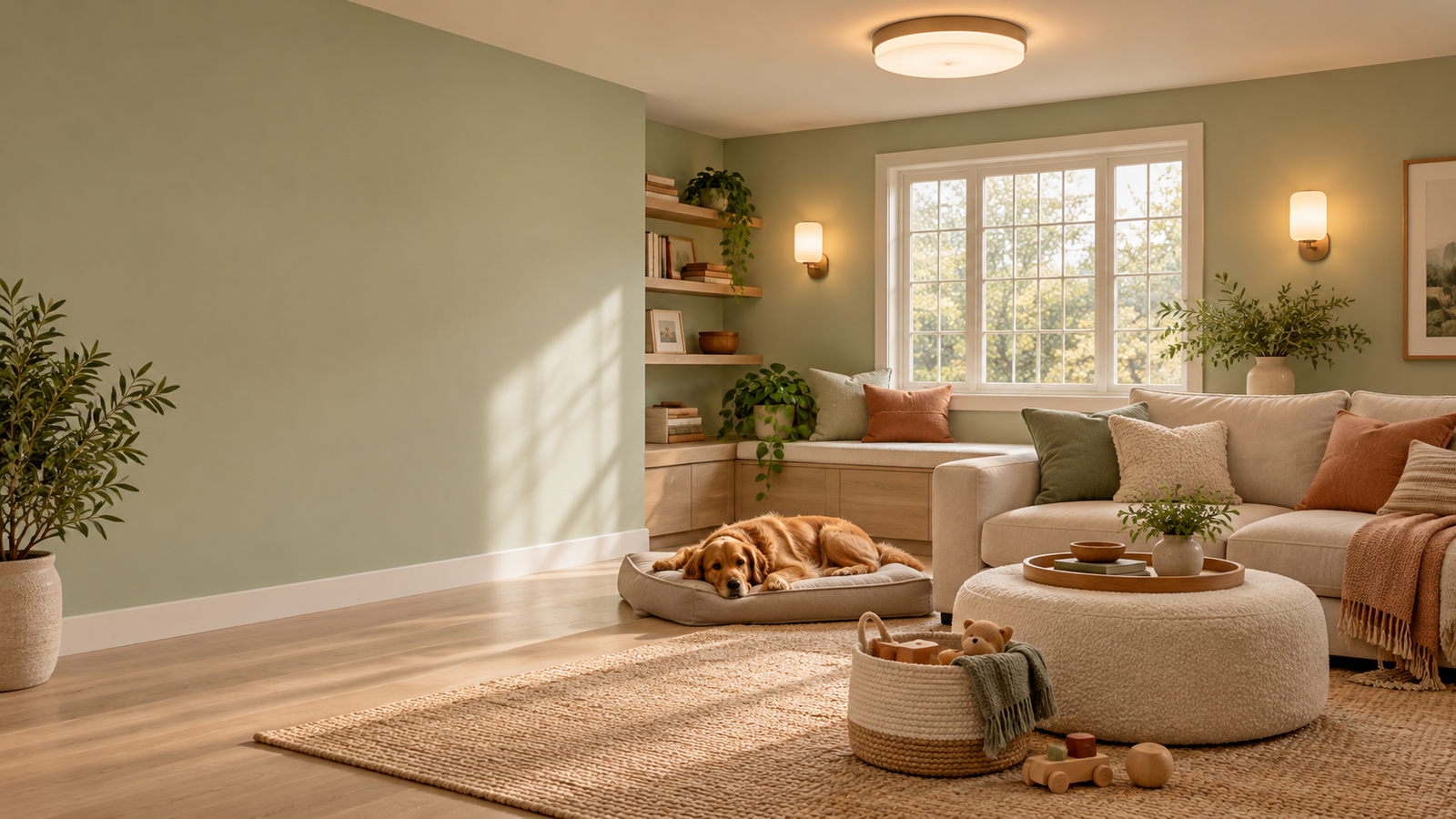
Lighting in a family home needs to do more than complement the interior. Lamps and fixtures must also suit busy routines, active children, and curious pets. An unstable floor lamp, accessible cable, or hot exposed bulb can create unnecessary risks when placed in the wrong area.
Careful positioning and suitable fixture choices can make a home feel welcoming while keeping everyday movement in mind.
Keep Walkways Clear
Portable lamps are useful because they can be moved as the room changes. However, their cables and bases should not interrupt common walking routes.
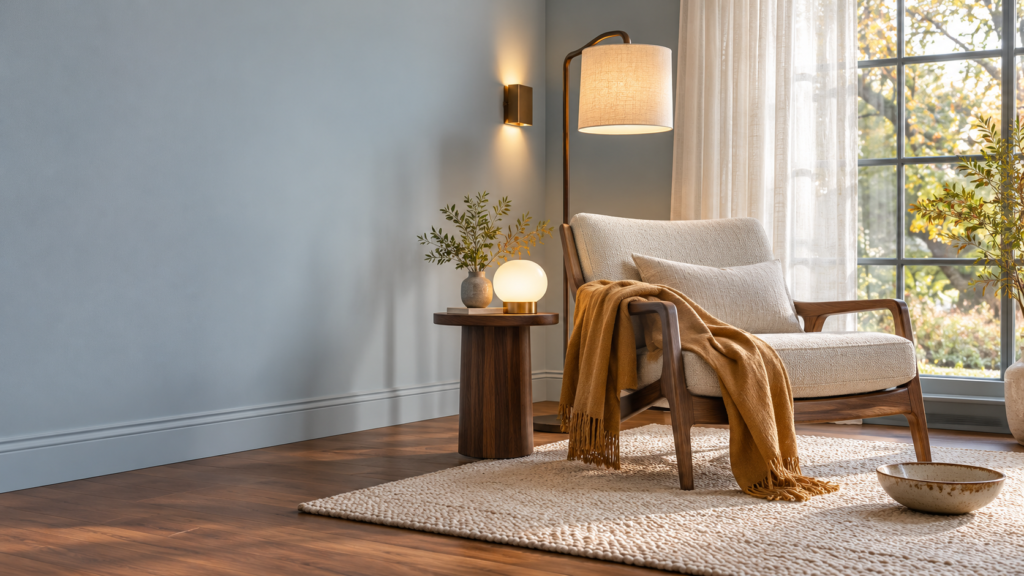
Floor lamps for living rooms work best when positioned beside a wall, sofa, or substantial piece of furniture. A wide, stable base may be more appropriate in an active household than a lightweight design that can tip easily.
Cables should not stretch across doorways or open floors. Where possible, place lamps close to electrical outlets and use suitable cable-management products to keep excess cords organized.
Choose Table Lamps Carefully
Decorative table lamps can add warmth and character to bedrooms and living spaces, but the surface beneath them should be stable and large enough for the base.
In homes with young children or energetic pets, avoid placing lamps close to the edge of a table. Lightweight furniture may also be unsuitable if it can be moved or knocked easily.
A shade that covers the bulb can reduce direct glare and limit accidental contact. The manufacturer’s recommended bulb type and wattage should always be followed.
Use Ceiling Lights for Reliable General Illumination
Fixed ceiling fixtures provide brightness without taking up floor or table space. This makes them useful in playrooms, hallways, and other active areas.
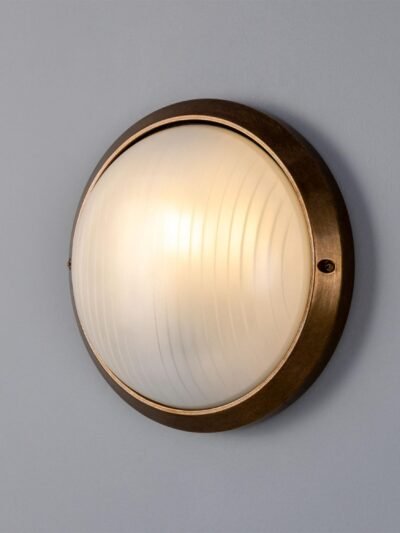
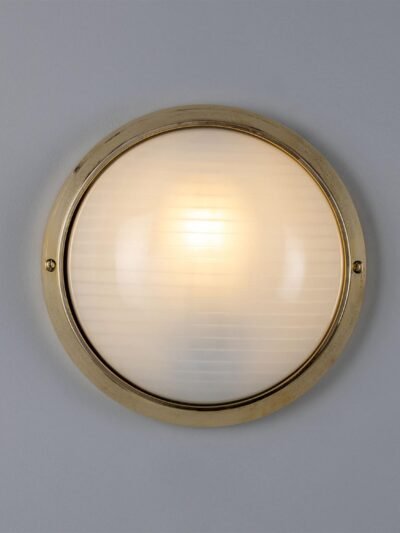
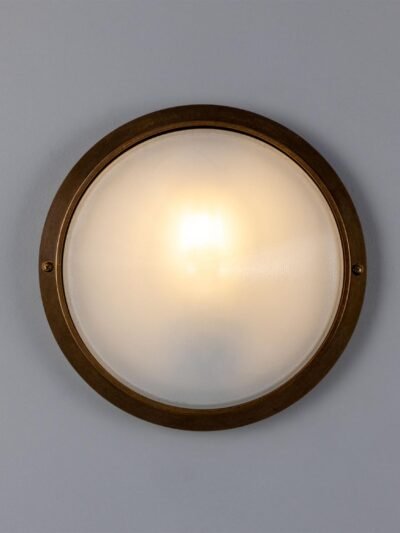
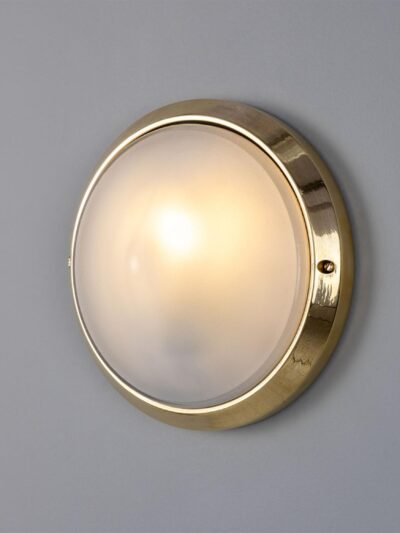
Modern ceiling lights can establish an even level of illumination across the room. In spaces with lower ceilings, flushmount ceiling lights may reduce the chance of contact with raised toys or objects.
Fixtures should still be appropriate for the room and installed securely. Permanent electrical work should be completed by a qualified professional.
Plan Lighting Around Play and Homework
Children may use the same room for playing, reading, drawing, and homework. One overhead fixture may not provide enough focused light for every activity.
A desk lamp can support writing and craftwork, but it should have a stable base and remain away from the edge of the desk. Adjustable lighting can help direct brightness towards the work surface without shining into the eyes.
For shared family spaces, several smaller light sources allow different activities to happen at the same time.
Consider Wall Lighting in Compact Rooms
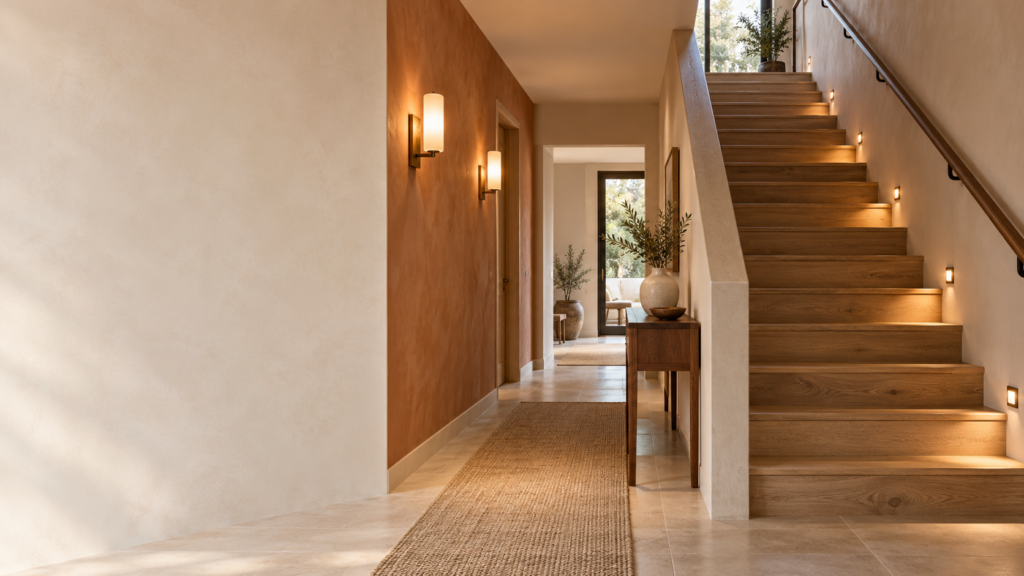
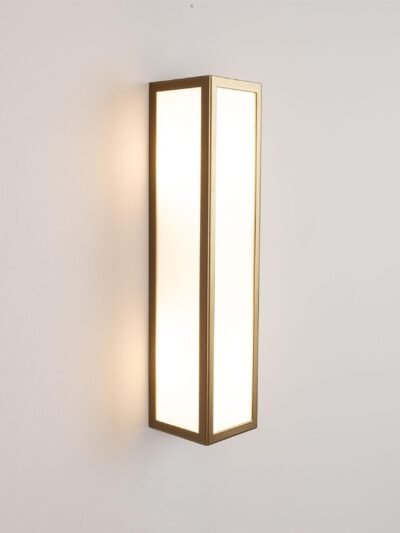
Modern wall sconces can provide ambient or task lighting without using valuable floor space. They may work well beside beds, in reading corners, or along hallways.
Wall-mounted fixtures keep cables and bases away from busy areas when they are professionally installed. Their position should prevent children from touching bulbs, switches, or fragile shades unnecessarily.
In a child’s bedroom, the design should also remain practical as furniture arrangements and needs change over time.
Avoid Unprotected and Hot Bulbs
Exposed bulbs may suit certain interiors, but they can be bright to look at and easier to touch. A covered or diffused fitting is often more practical in areas used by children and pets.
LED bulbs generally produce less heat than traditional incandescent options, though the complete fixture can still become warm. Allow lamps to cool before cleaning or changing bulbs.
Never cover a lamp or place fabric, toys, or pet bedding against a light fixture.
Use Pendant Lights With Safe Clearance
Modern pendant lights can define dining areas and kitchen islands while remaining above everyday activity. Their height must provide suitable clearance and keep fragile parts out of easy reach.
Low-hanging pendant lighting fixtures may be unsuitable in open play areas or above furniture that children can climb. Placement should reflect how the room is actually used, not only how it appears when tidy.
Renov Official offers contemporary lighting across ceiling, pendant, floor, table, and wall categories. When comparing any product, review its dimensions, materials, installation requirements, and recommended bulb before deciding where it belongs.
Make Night-Time Movement Easier
Soft lighting can help family members move through hallways or attend to children and pets at night without turning on a very bright central fixture.
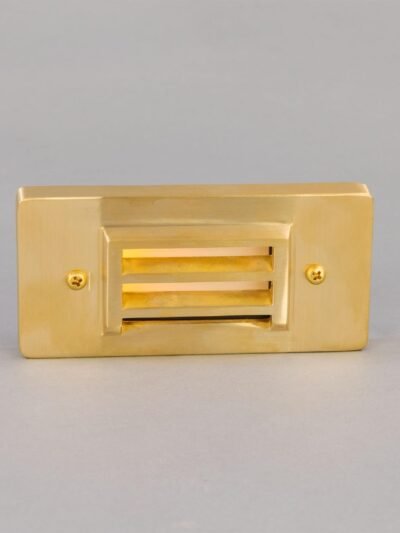
A low-level night light or dimmable wall fixture may provide enough visibility for short journeys. Avoid placing a bright lamp where it shines directly into bedrooms or creates glare on stairs.
Conclusion
Family-friendly lighting combines clear visibility with stable placement and sensible cable management. Ceiling fixtures provide reliable general light, while carefully positioned table, floor, and wall lights support specific activities.
The best arrangement depends on the household, the room, and how children or pets move through the space. Reviewing these habits before choosing fixtures can create a safer and more comfortable lighting plan.
Frequently Asked Questions
Are floor lamps suitable for homes with pets?
They can be, provided they have a stable base and are positioned away from active routes and play areas.
What type of lighting works well in a playroom?
Even ceiling lighting combined with focused task lighting can support both active play and quieter activities.
Should lamps be placed in a child’s bedroom?
Yes, but they should be stable, appropriately positioned, and used with the recommended bulb. Cables and hot surfaces must remain safely managed.