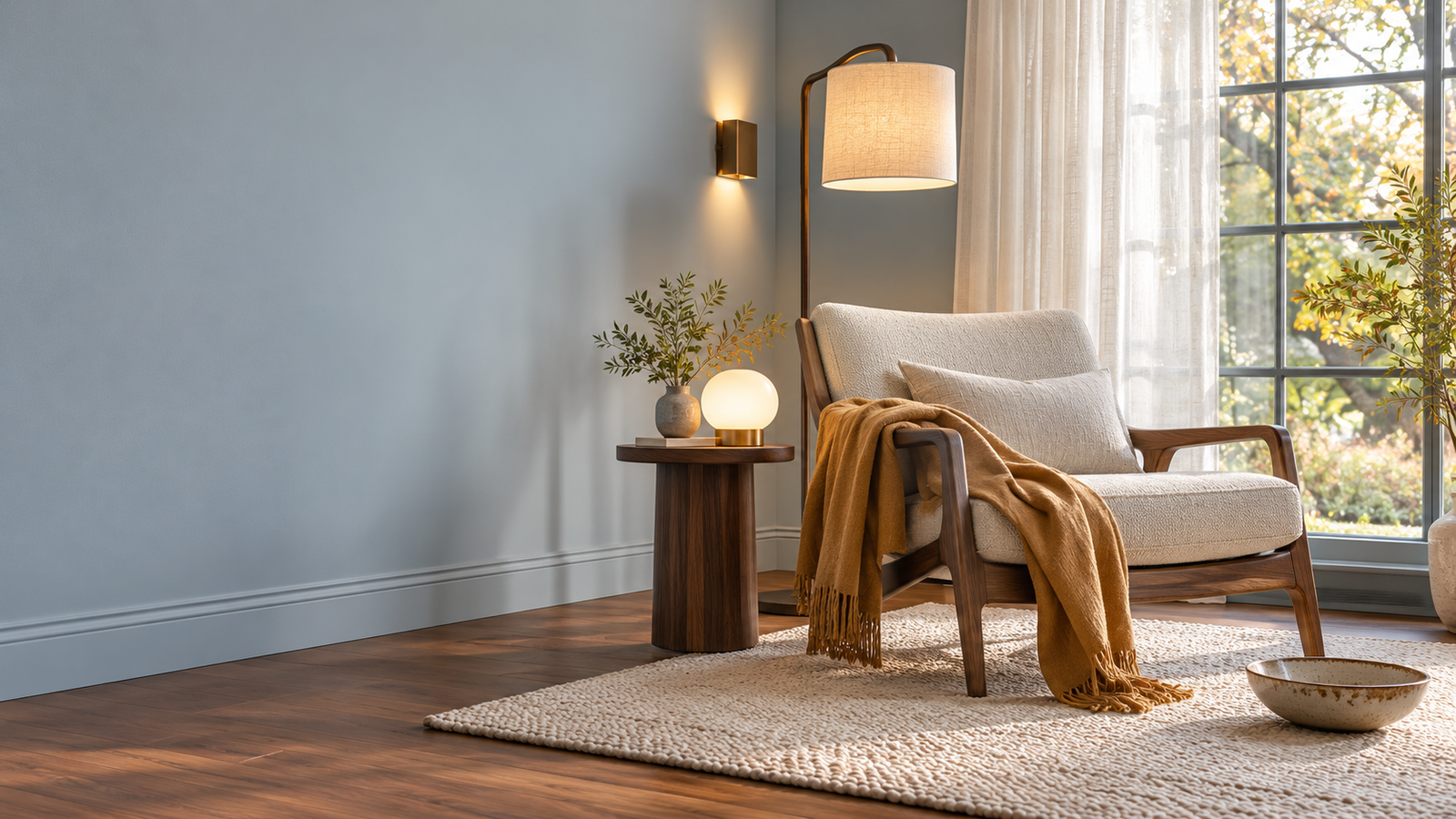
Natural light changes considerably throughout the year. A room that feels bright during a summer afternoon may appear dark and uninviting on a winter morning. The position of the sun, length of the day, and surrounding weather can all influence how artificial lighting performs inside a home.
A flexible lighting scheme can respond to these seasonal changes without requiring the entire room to be redesigned.
Make Better Use of Winter Daylight
Winter days are shorter, so rooms may depend on artificial light for longer periods. Begin by keeping windows clear and arranging furniture so that it does not block available daylight.
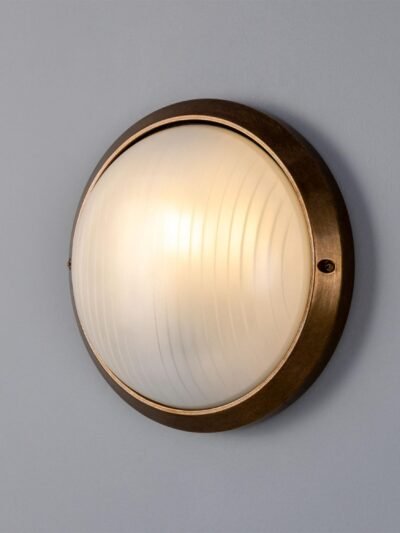
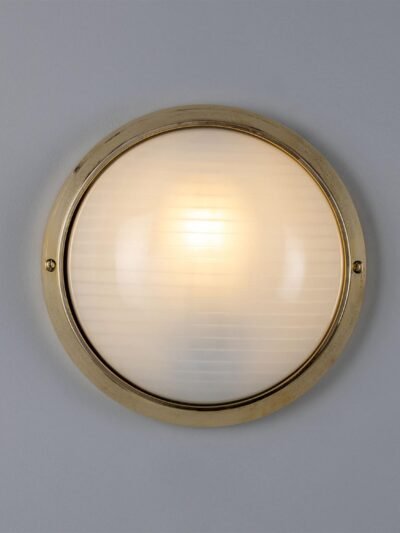
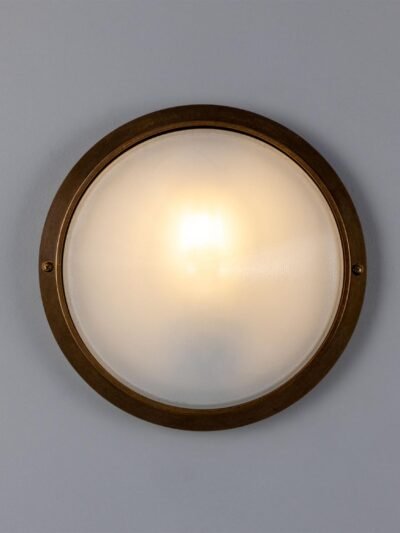
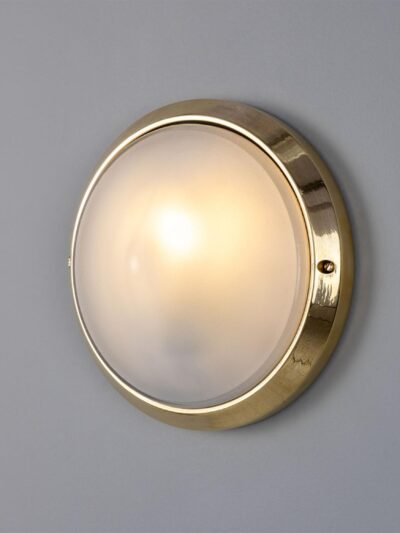
When natural light starts to fade, modern ceiling lights can provide general brightness. In rooms with lower ceilings, flushmount ceiling lights distribute light without making the space feel crowded.
Avoid relying on one very bright fixture. Several moderate light sources usually create a more comfortable atmosphere and reduce heavy shadows.
Create Warmth With Floor and Table Lamps
Winter lighting should feel practical without becoming harsh. Modern floor lamps bring light closer to seating level and can brighten dark corners that a central fixture does not reach.
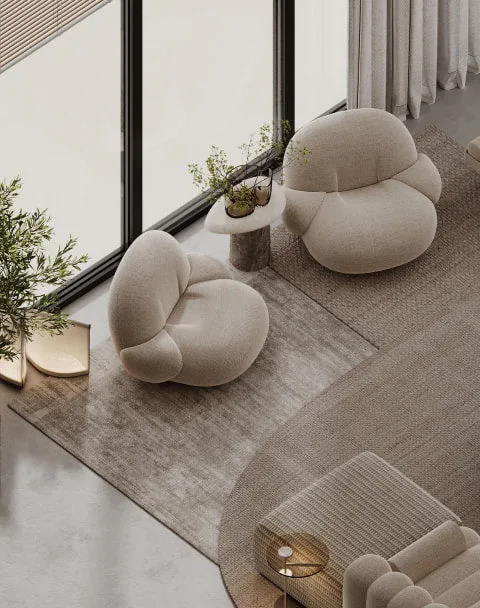
When selecting floor lamps for living rooms, consider adjustable designs for reading areas and shaded lamps for softer ambient light. A lamp positioned beside a sofa can make the room feel more comfortable during early evenings.
Modern table lamps are useful on sideboards, desks, and bedside tables. Decorative table lamps also add texture and visual interest when the room needs warmth during darker months.
Adjust Lighting During Spring
Spring usually brings longer days and stronger natural light. This is a useful time to reconsider lamp placement, clean shades, and replace bulbs that no longer provide consistent illumination.
As daylight increases, artificial lighting can take on a more supportive role. Wall lights and table lamps may be enough during the evening, while the main ceiling fixture can remain off.
This seasonal change can also reveal glare that was less noticeable during winter. Reflective furniture, television screens, and glossy surfaces may need softer or better-directed light.
Use Flexible Lighting on Summer Evenings
Summer rooms often receive enough daylight during the day, but they still need comfortable lighting after sunset. Heavy overhead illumination may feel unnecessary when the rest of the home has been bright for many hours.
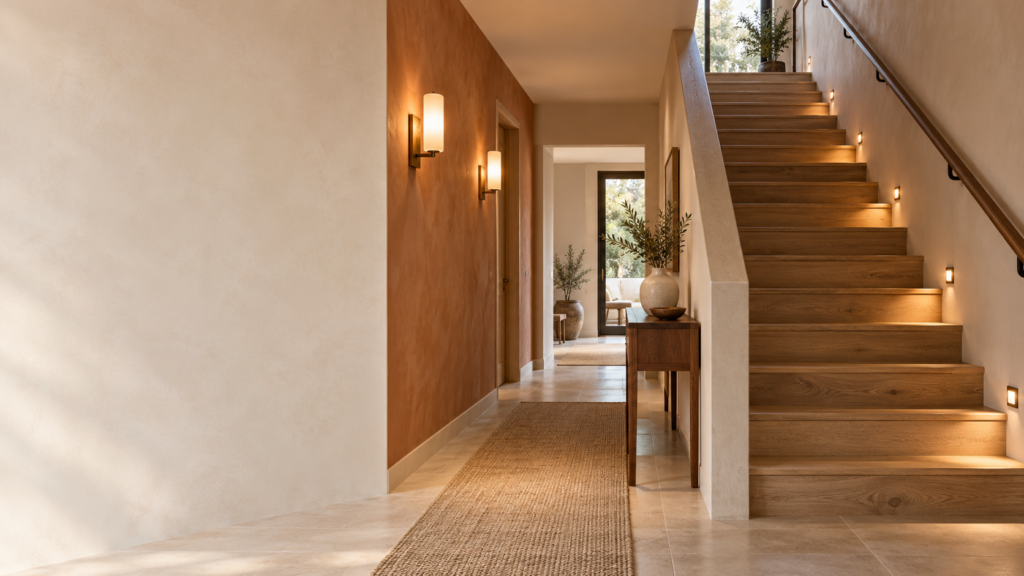
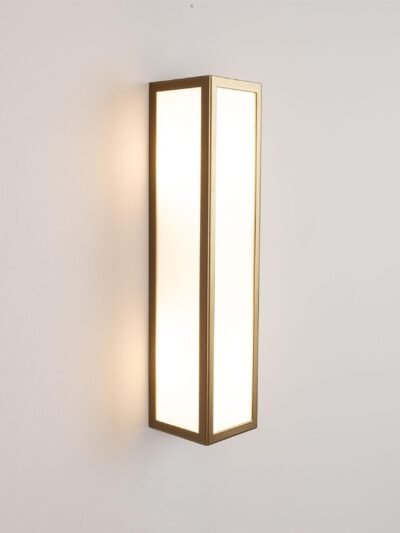
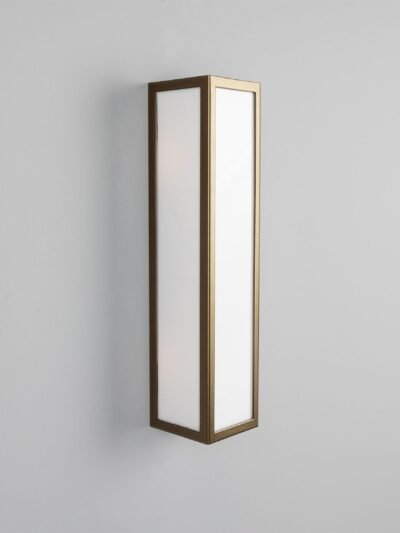
Modern wall sconces can provide gentle light around seating areas, hallways, and architectural features. Well-positioned wall sconces may also guide movement through the home without illuminating every part of the room.
Dimmers are especially helpful during summer because they allow brightness to change gradually as daylight disappears.
Choose Statement Lighting for Entertaining Spaces
Dining rooms and open-plan areas may be used more frequently for gatherings at different times of the year. Modern pendant lights can define a table or kitchen island while providing focused illumination.
Before selecting pendant lighting fixtures, consider ceiling height, table dimensions, and surrounding sightlines. A fitting should feel connected to the furniture below rather than appearing to float without purpose.
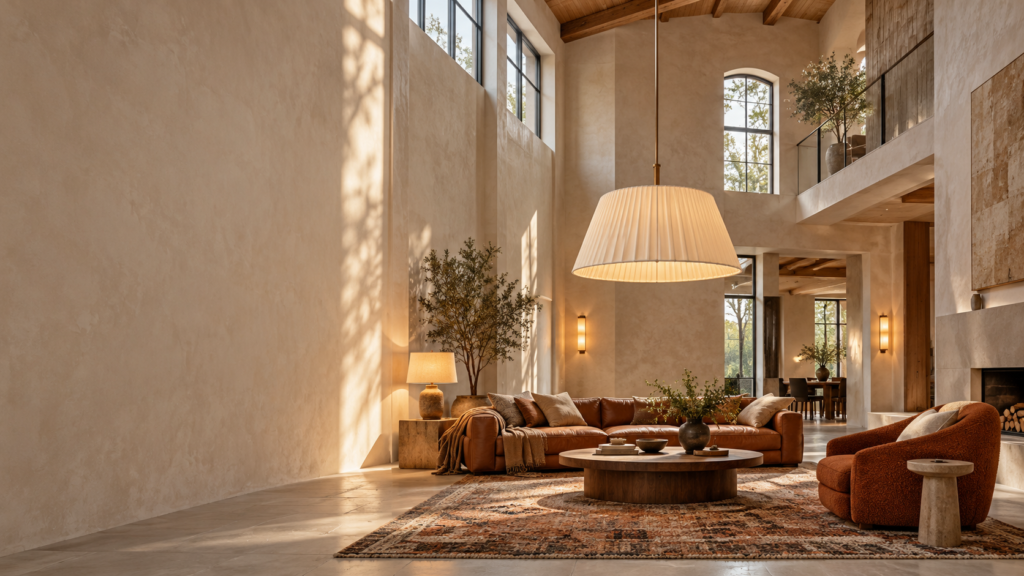
Larger interiors may suit designer ceiling lighting, LED chandeliers, or luxury chandeliers. These fixtures can create a focal point, but their brightness should still be adjustable for quiet meals and larger gatherings.
Prepare Bathrooms for Darker Mornings
Bathroom lighting becomes particularly important during autumn and winter mornings. A single ceiling light can create shadows around the mirror, making grooming tasks more difficult.
Bathroom vanity lights should illuminate the face evenly from a suitable position. Modern vanity lighting can provide practical brightness while matching finishes used elsewhere in the bathroom.
Always check that fixtures have an appropriate safety rating for their location. Bathroom electrical work should be completed by a qualified professional.
Review Bulb Color and Brightness
Color temperature affects how a room feels in different seasons. Warm white light can create a relaxed atmosphere during winter, while neutral light may feel clearer in kitchens, bathrooms and workspaces.
Using dramatically different bulb colors in the same room can make the lighting appear disconnected. Try to keep nearby fixtures within a similar color range, particularly in open-plan interiors.
Renov Official includes different categories of decorative and functional lighting, but seasonal comfort depends on placement, brightness, and control as much as fixture style.
Create a Simple Seasonal Routine
Homeowners do not need to replace fixtures every season. Small adjustments can make an existing lighting plan more effective.
At the beginning of each season:
- Clean bulbs and shades
- Check that dimmers work correctly
- Move lamps closer to frequently used areas
- Review dark corners and reflective surfaces
- Replace damaged or inconsistent bulbs
- Confirm that outdoor daylight is not being blocked
These simple checks can help each room respond to changing daylight throughout the year.
Conclusion
Seasonal lighting is about flexibility rather than constant replacement. Ceiling fixtures provide dependable general light, while floor lamps, table lamps, pendants, and sconces allow individual areas to adapt.
By reviewing brightness, positioning, and color temperature as daylight changes, homeowners can keep their interiors comfortable and practical in every season.
Frequently Asked Questions
Should bulbs be changed between summer and winter?
Usually not. Dimmers and layered lighting can provide seasonal flexibility without changing bulbs.
What lighting is best for dark winter mornings?
A combination of general ceiling light and focused task lighting is often more comfortable than one extremely bright fixture.
Can lamps be moved seasonally?
Yes. Moving floor and table lamps closer to seating or work areas can improve their usefulness during darker months.
Does warm lighting make a room feel warmer?
It does not change the temperature, but warm-colored light can make an interior feel visually more comfortable.