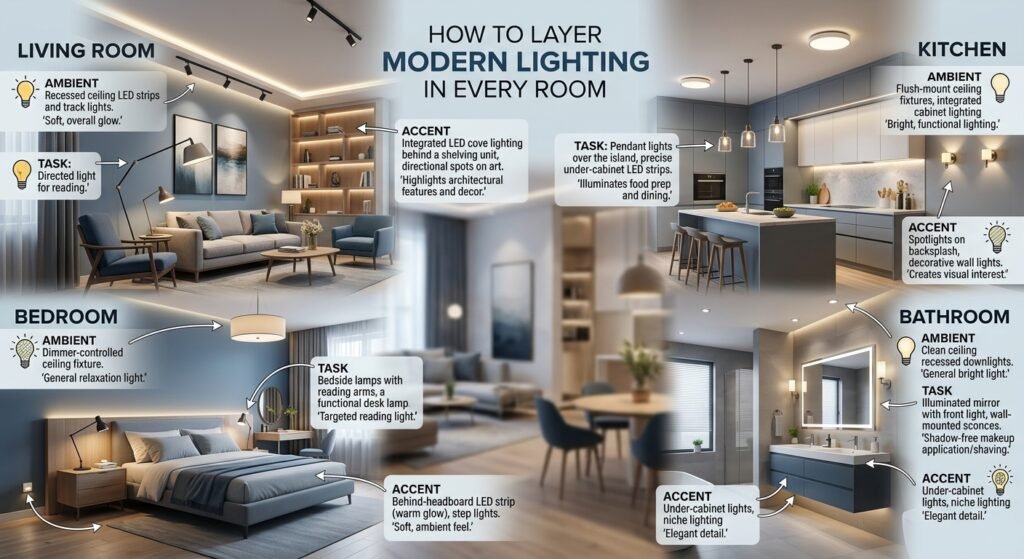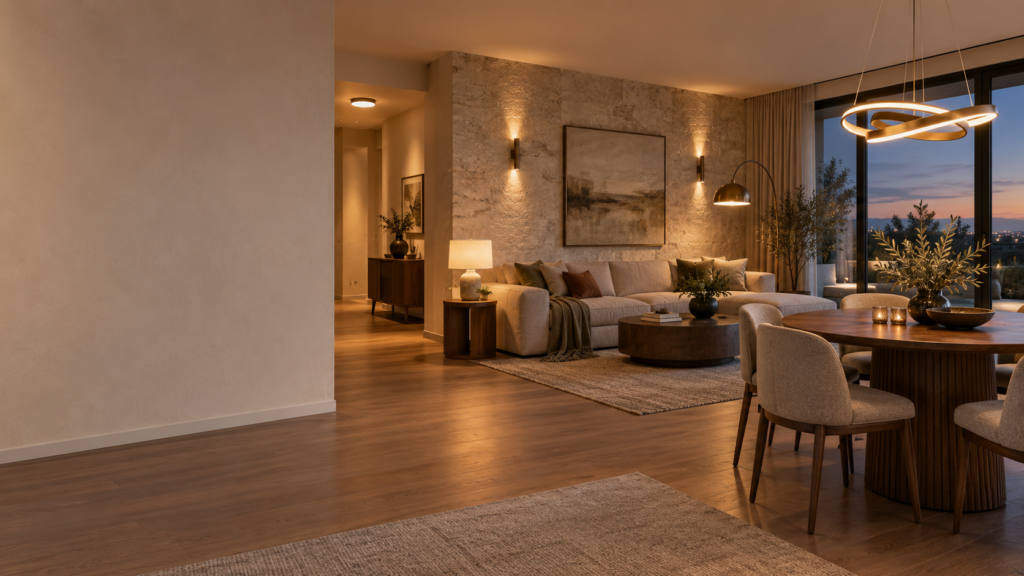
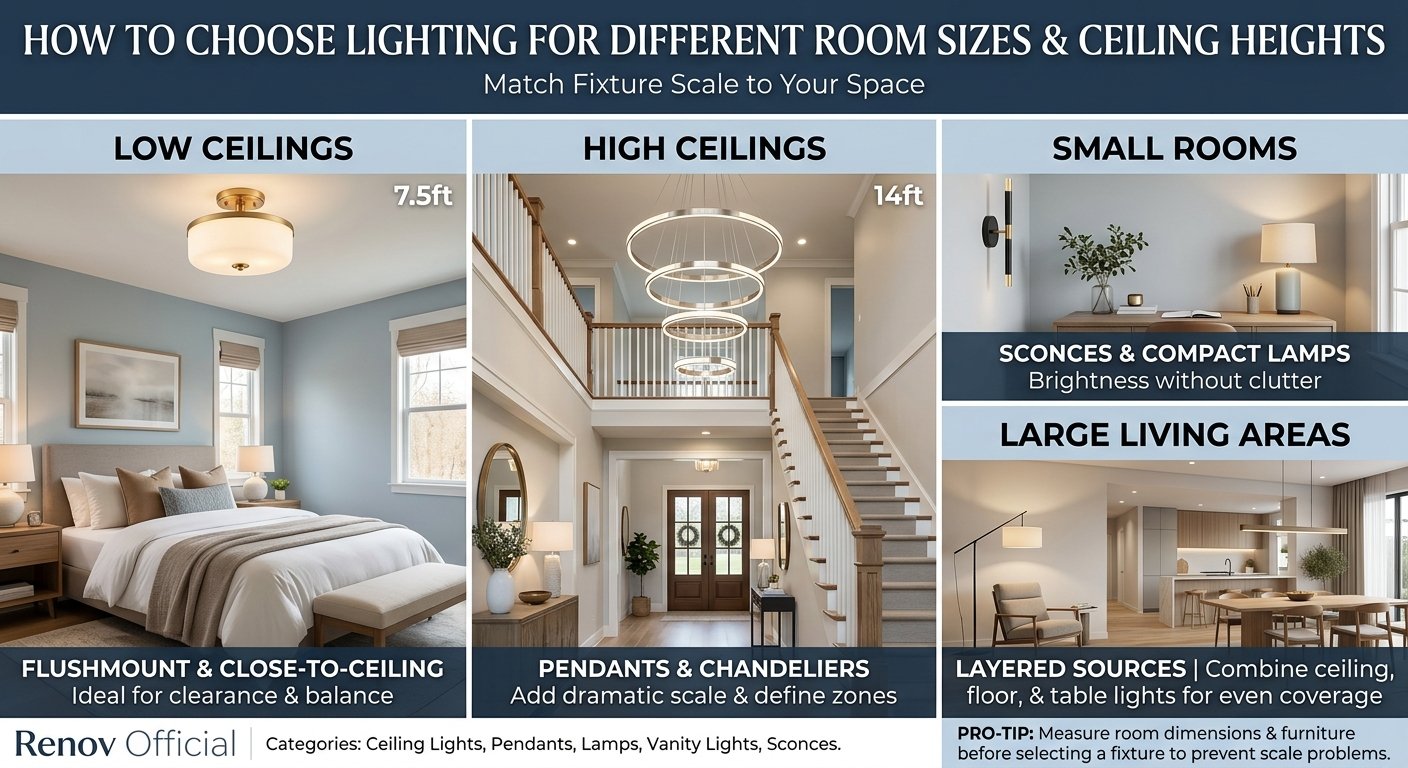
The size and shape of a room affect how lighting looks and performs. A fixture that feels balanced in a large dining room may overwhelm a narrow hallway, while a small lamp may not provide enough light for an open-plan living space.
Before selecting a fixture, consider the room dimensions, ceiling height, furniture layout and activities that take place there. These details help create lighting that feels comfortable and practical.
Lighting for Rooms With Low Ceilings
Low ceilings require fixtures that provide useful light without making the room feel crowded. Flushmount ceiling lights sit close to the ceiling, making them suitable for hallways, bedrooms, utility rooms and smaller living areas.
Choose a fixture width that feels balanced with the room. A very small fitting may leave the edges dark, while an oversized one can dominate the ceiling. The brightness and spread of light are just as important as the fixture’s physical size.
Lighting for High Ceilings
Rooms with high ceilings can accommodate larger fixtures and longer hanging lengths. Modern pendant lights can bring light closer to a dining table, kitchen island or seating area. Their position can also help define a particular zone in an open-plan room.
Larger LED chandeliers may suit entrances, stairwells and spacious dining areas. Before choosing one, check its overall height, width and light output. The fixture should be visible without interrupting movement or sightlines.
Choosing Light for Small Rooms
Small rooms benefit from fixtures that provide light without using unnecessary floor or surface space. Modern wall sconces can work beside beds, along narrow hallways or near mirrors. Their placement should prevent glare and leave enough clearance for doors and furniture.
A compact modern table lamp can add softer light to a bedside table or desk. Select a shade and base that leave enough room for the surface to remain useful. Pale shades generally spread more light, while darker or solid shades create a more focused effect.
Lighting Larger Living Areas
Large living rooms often need several light sources. A single ceiling fitting may create brightness in the centre while leaving corners poorly lit.
Modern floor lamps can add light near sofas, reading chairs or unused corners. Adjustable designs are useful when the room supports different activities. Combining a floor lamp with ceiling and table lighting also allows the atmosphere to change throughout the day.
Planning Kitchen and Dining Lighting
Kitchen lighting needs to support preparation, cleaning and dining. Modern ceiling lights can provide general brightness, while pendants may add focused light above an island or table.
Measure the furniture before selecting a pendant. The fixture should relate to the width of the table or island and hang at a height that does not block views. Multiple smaller pendants can sometimes provide better coverage than one large fitting.
Choosing Bathroom Lighting
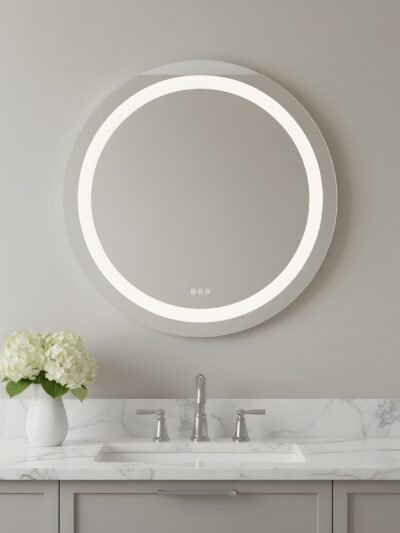
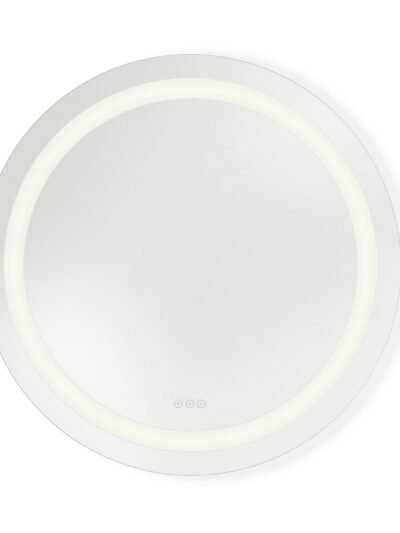
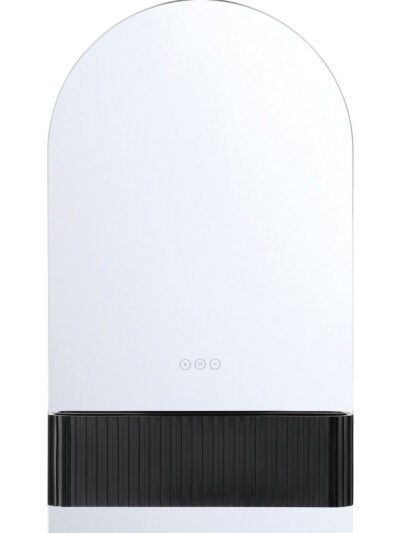
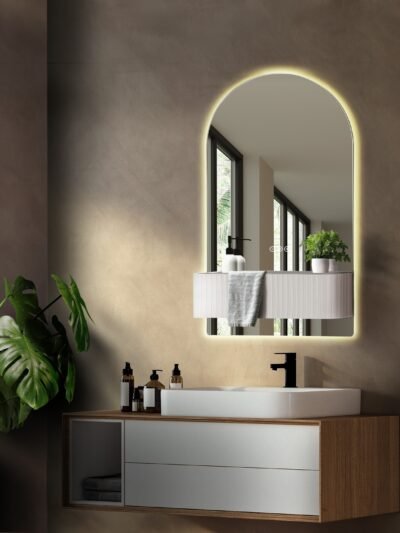
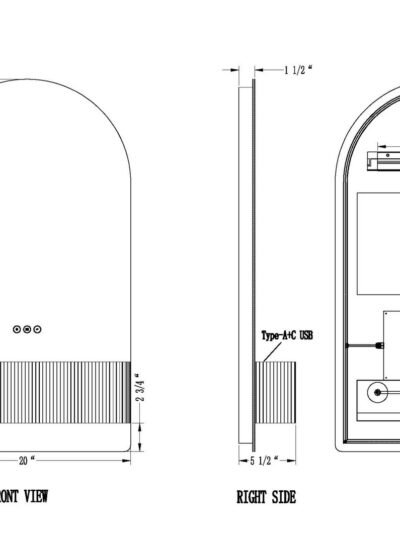
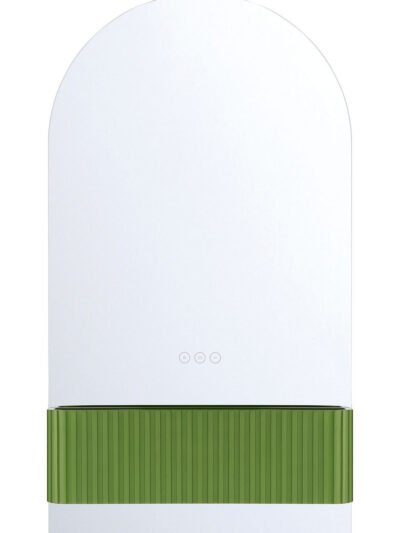
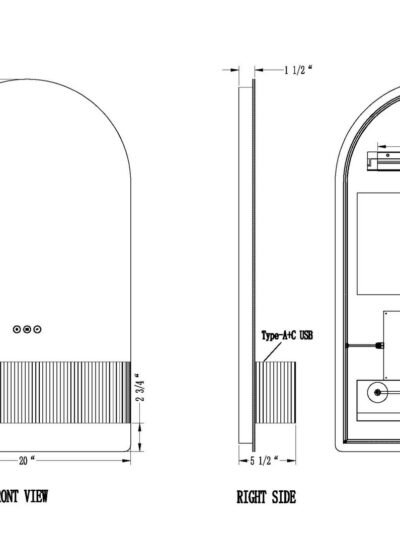
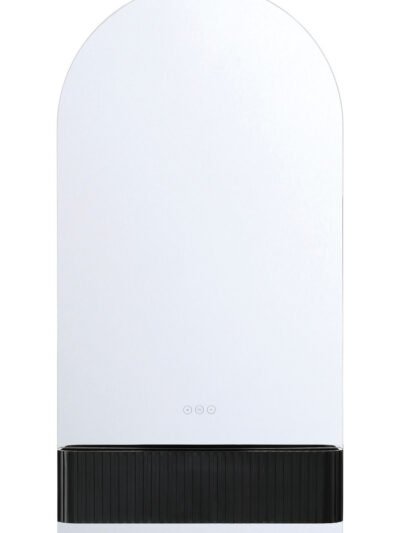
Bathrooms require fittings designed for their location. Bathroom vanity lights should provide even illumination around the face without creating strong shadows. This is useful for shaving, skincare and makeup.
Check the fixture’s safety and damp rating before installation. The required rating may depend on its distance from the bath, shower or basin. Electrical work in bathrooms should be completed according to local requirements.
Keep Scale and Finish Connected
Fixtures do not need to match exactly, but they should share some visual connection. Repeating a finish, colour, material or shape can help separate lights feel like part of one plan.
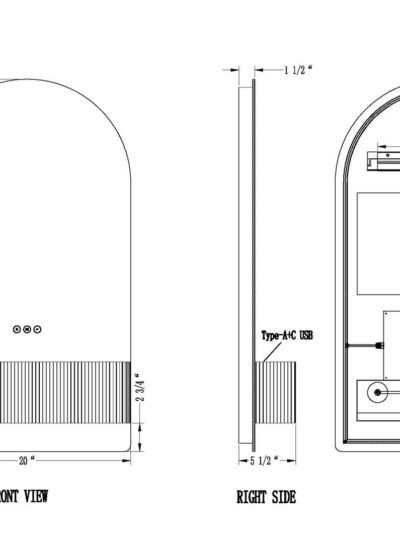
Renov Official features categories including ceiling lights, pendants, lamps, vanity lights and sconces. Whatever supplier is chosen, compare measurements, bulb requirements, brightness, colour temperature and installation details before ordering.
Conclusion
Successful lighting begins with the proportions of the room. Low ceilings often suit close-fitting fixtures, while high ceilings can support pendants and chandeliers. Floor, table and wall lights then provide focused illumination where daily activities happen.
Measuring the space before choosing fixtures can prevent problems with scale, clearance and brightness.
Frequently Asked Questions
How large should a ceiling light be?
Its size should relate to the room dimensions and furniture below it. Always check the listed measurements before buying.
Can pendant lights be used with low ceilings?
They can work above fixed furniture, such as a table or island, if there is enough clearance.
Should all bulbs have the same colour temperature?
Using a consistent colour temperature within one room usually creates a more connected appearance.