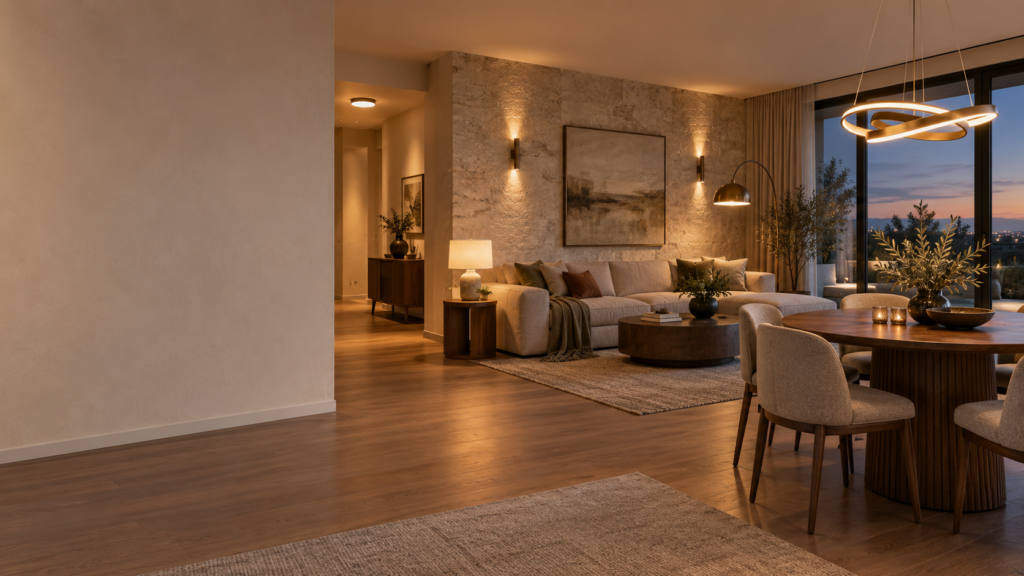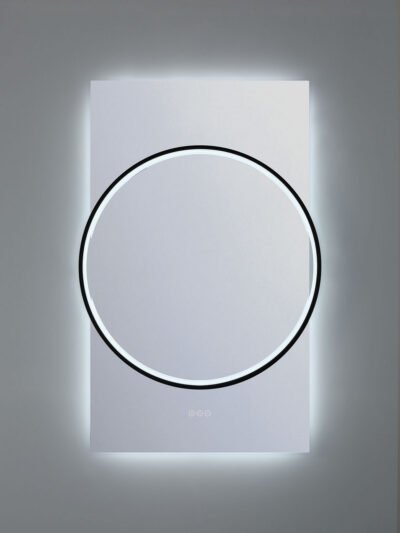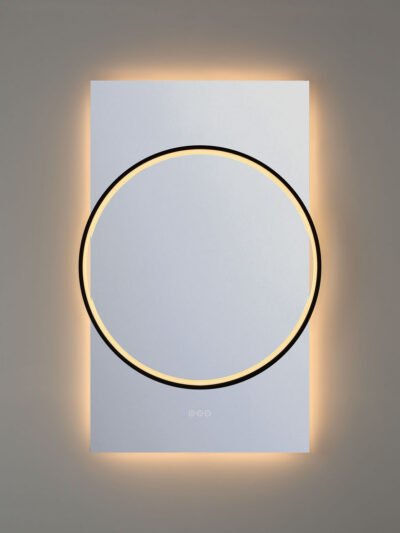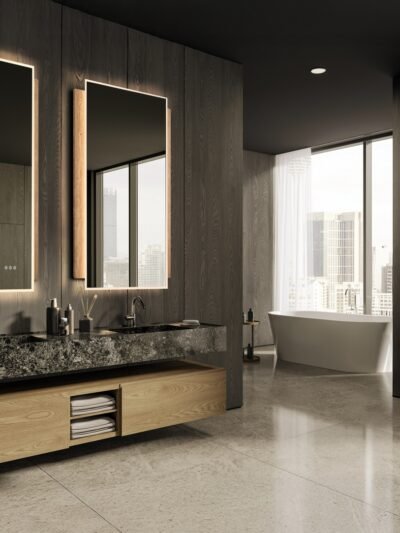
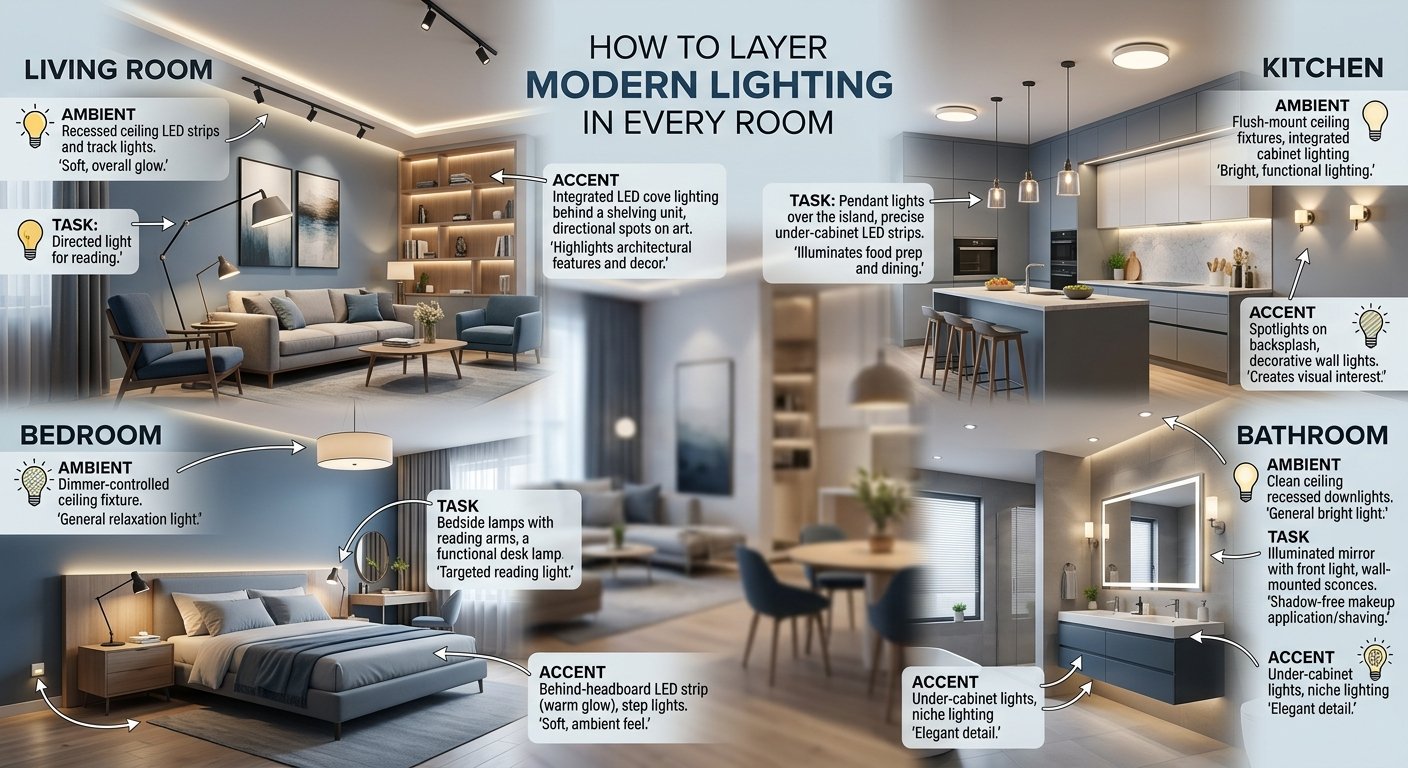
Good lighting does more than make a room visible. It affects how spacious, comfortable, and practical the interior feels. Relying on one ceiling fixture can leave dark corners and create harsh shadows. A layered lighting plan combines several light sources, giving each part of the room a clear purpose.
Begin With General Lighting
General lighting provides the main level of brightness. Modern ceiling lights work well for this because they spread light across the room while contributing to its overall style.
In rooms with lower ceilings, flushmount ceiling lights offer useful illumination without taking up much vertical space. They are often suitable for hallways, bedrooms, utility areas, and compact living rooms. Before selecting a fixture, check its dimensions and consider how much light the room needs.
Add Lighting for Everyday Tasks
Task lighting focuses on activities such as reading, cooking, working, or getting ready. Modern floor lamps can create a comfortable reading area beside a chair or sofa. Adjustable styles are especially helpful because their light can be directed where it is needed.
Smaller modern table lamps work well on bedside tables, desks, and sideboards. Their light is softer and more focused than a main ceiling fixture, making them useful during evenings when full room lighting feels too bright.
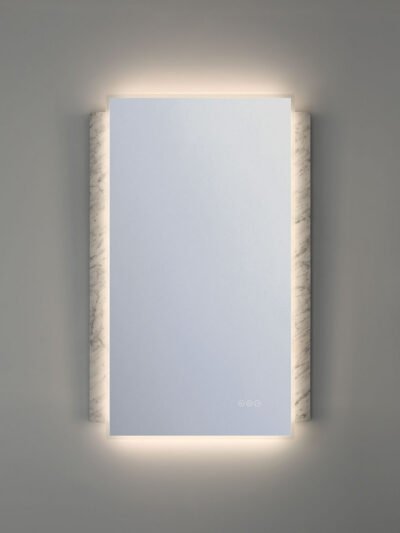
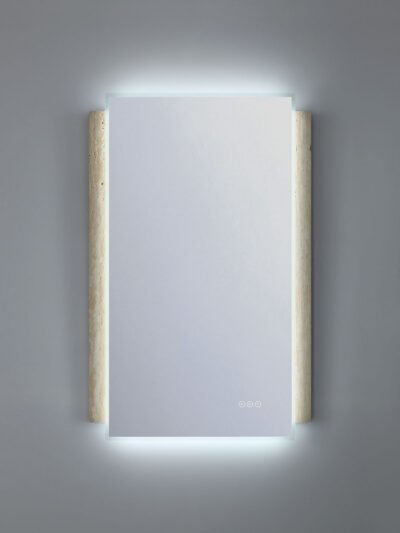
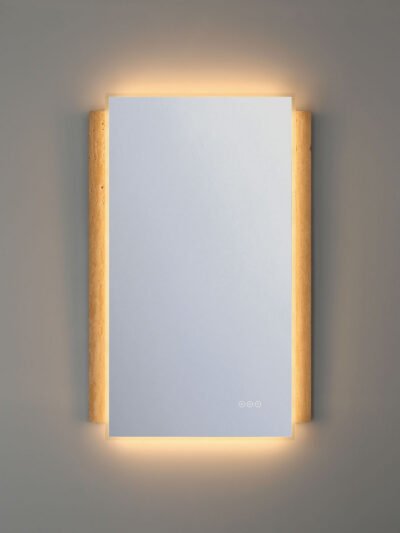
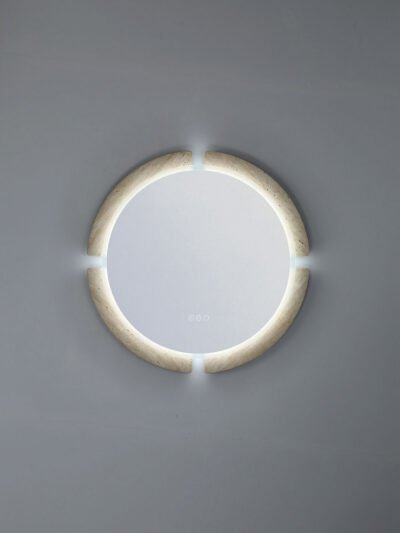
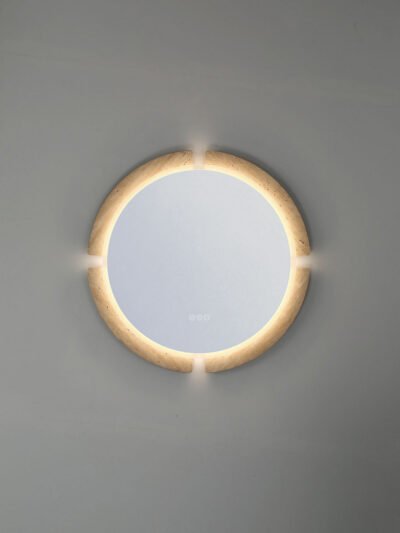
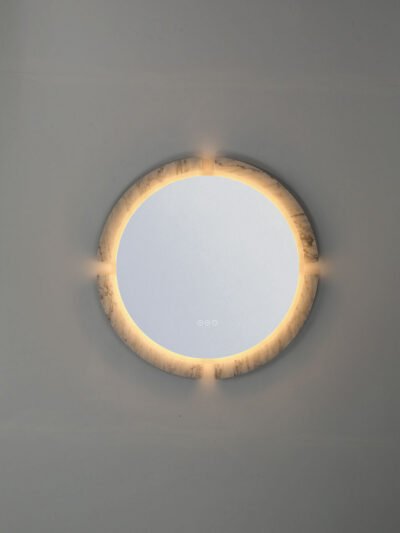
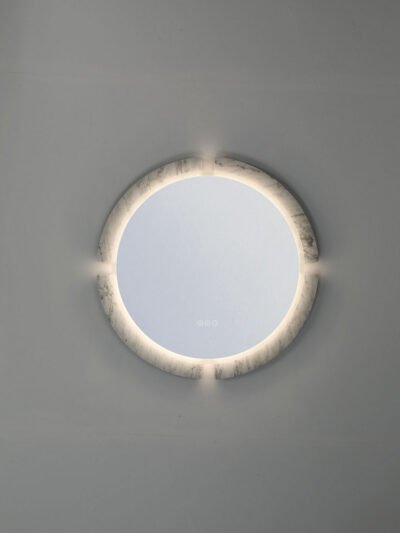
In bathrooms, bathroom vanity lights should illuminate the face evenly. Fixtures positioned around or above a mirror can reduce shadows during shaving, skincare, or makeup application. Choose fittings with an appropriate damp rating for the location.
Use Decorative Fixtures as Focal Points
Some fixtures provide light while also acting as a central design feature. Modern pendant lights can define a dining table, kitchen island, or reading corner. Their height and scale should relate to the furniture beneath them so they do not interrupt sightlines.
For larger rooms, LED chandeliers can create a stronger focal point. Integrated LED designs are available in many forms, from simple rings to sculptural arrangements. Check the brightness, color temperature, and whether the fixture is dimmable before choosing one.
Brighten Walls and Transitional Areas
Wall lighting can fill the gap between ceiling and floor level. Modern wall sconces are useful in hallways, beside beds, and around artwork. They can provide ambient or directional light depending on the shade and placement.
Using wall lights can also reduce the need for floor or table space, which is helpful in narrow rooms. Install them at a consistent height and consider how the light will appear from different viewing angles.
Keep Color Temperature Consistent
Color temperature affects whether light appears warm or cool. Warm white light often feels comfortable in bedrooms and living areas, while neutral light can suit kitchens and workspaces. Mixing very warm and very cool bulbs in the same room may make the lighting feel disconnected.
Renov Official features lighting categories that include floor lamps, table lamps, flush mounts, pendants, and sconces. Whatever source you use, compare fixture dimensions, output, bulb type, safety rating, and installation requirements before deciding.
Conclusion
A balanced room usually combines general, task, and decorative lighting. Start with the activities that happen in the space, then select fixtures at different heights. This approach creates useful illumination while allowing each lamp or fitting to contribute naturally to the room’s design.
Frequently Asked Questions
How many light sources should a room have?
There is no fixed number. Most rooms benefit from a main light plus one or more task or accent lights.
Should every lighting fixture match?
Fixtures do not need to be identical, but repeating a finish, color, or shape can create visual consistency.
Are dimmers useful?
Yes. Compatible dimmers allow brightness to change for different activities and times of day.