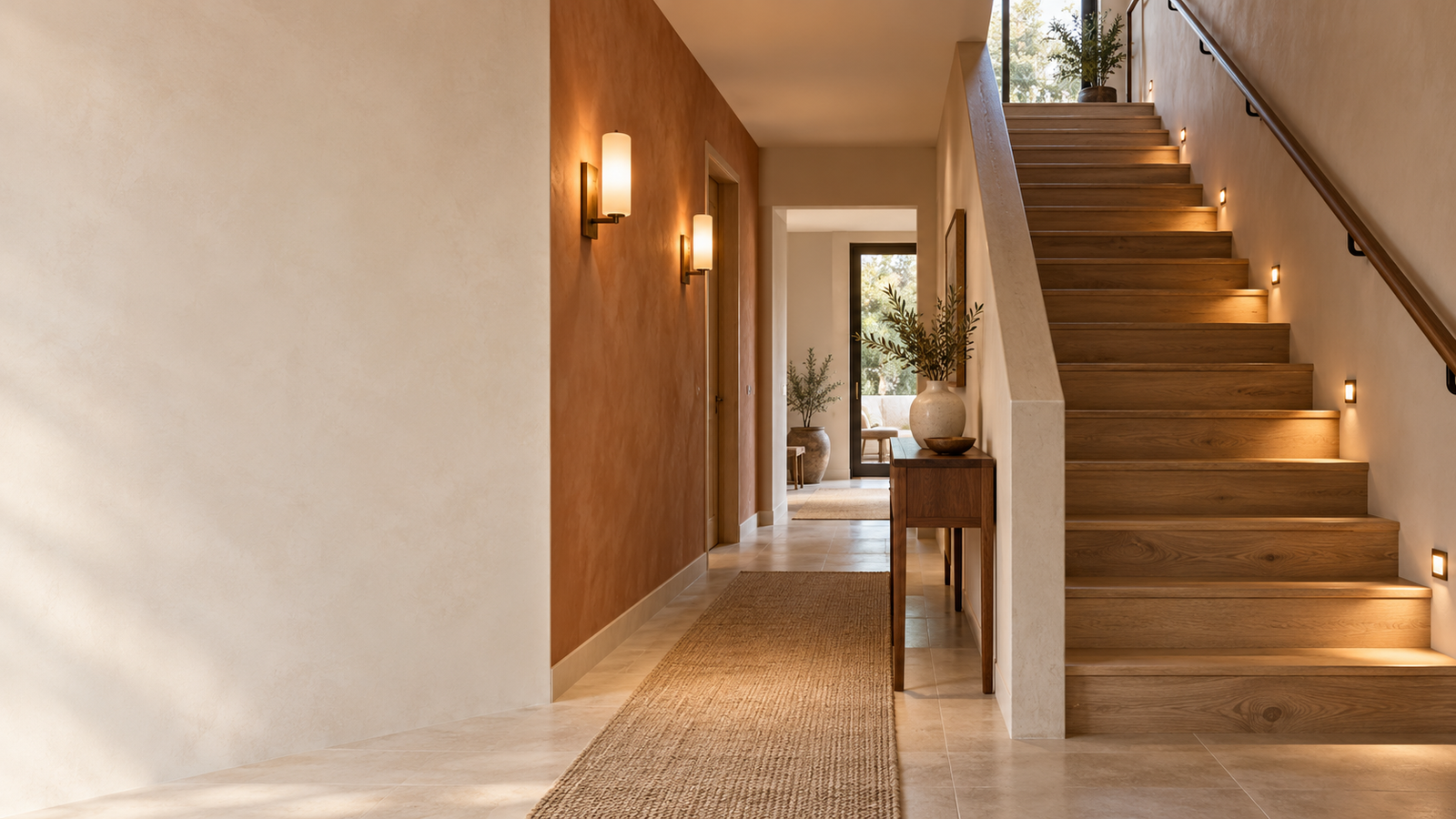
Hallways, landings, and staircases are often treated as practical routes rather than complete rooms. As a result, their lighting may consist of one bright fixture chosen only for visibility. While safe movement is essential, circulation areas can still feel warm and connected to the rest of the home.
The right combination of ceiling, wall, and decorative lighting can improve visibility while highlighting architectural features, artwork, and materials.
Begin With Safe, Even Illumination
Stairs and changes in floor level must be easy to see. Deep shadows around steps can make movement more difficult, particularly during the evening.
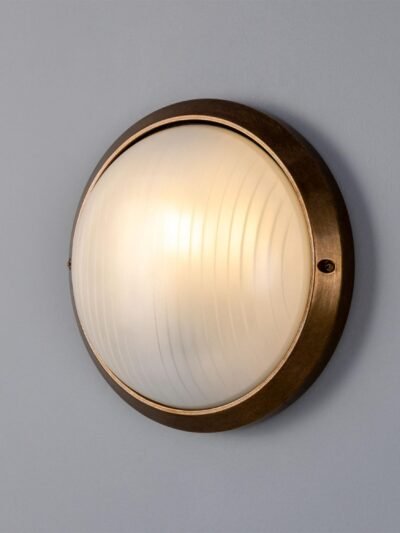
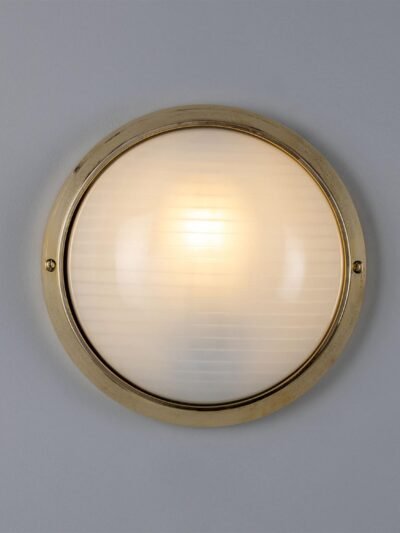
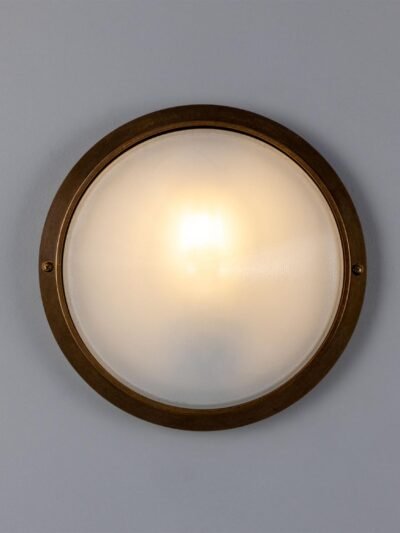
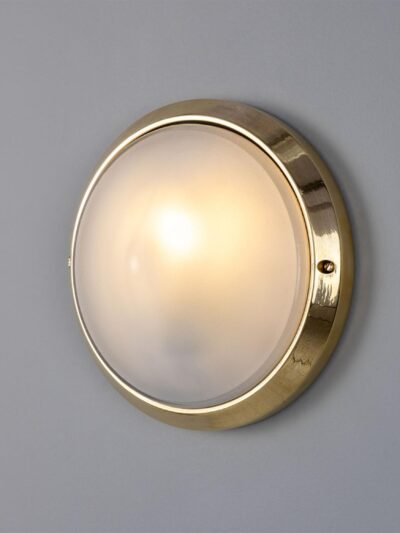
General lighting should reach the entire route without creating glare. In hallways with standard or low ceilings, flushmount ceiling lights can provide useful brightness while leaving enough headroom.
Long corridors may need more than one ceiling fixture. Several evenly spaced lights can produce better coverage than one very bright light positioned in the center.
Avoid Harsh Shadows on Stairs
A fixture located behind someone walking downstairs may cast their shadow across the steps. This can make the edges more difficult to identify.
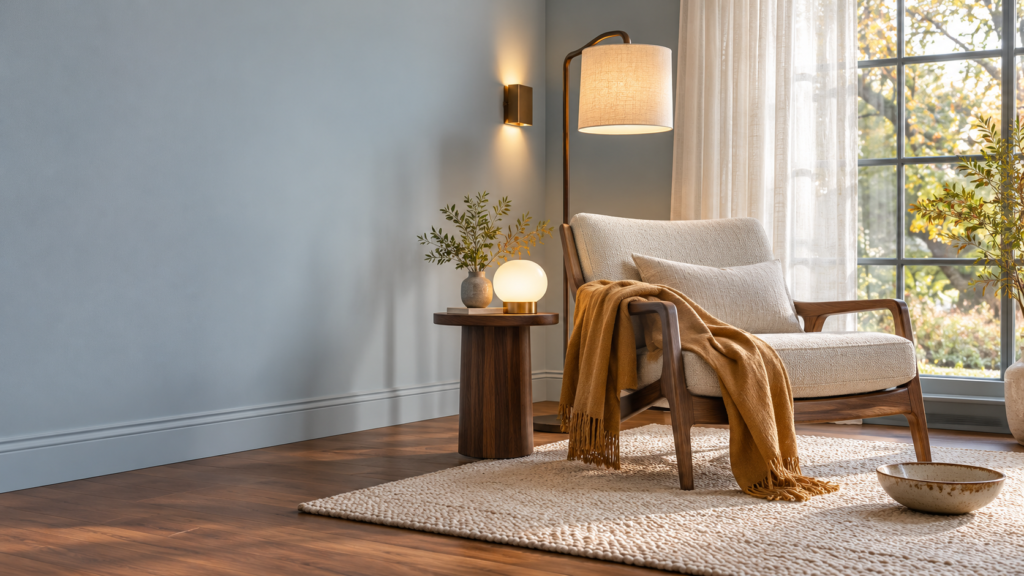
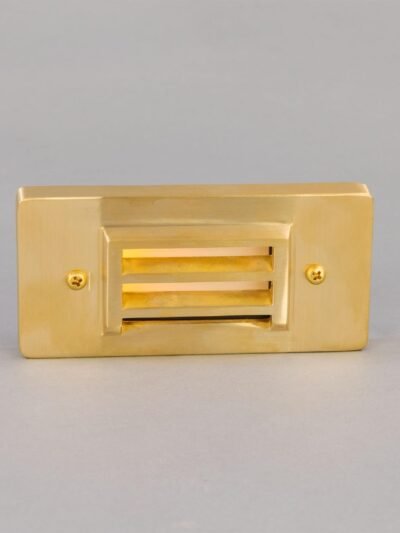
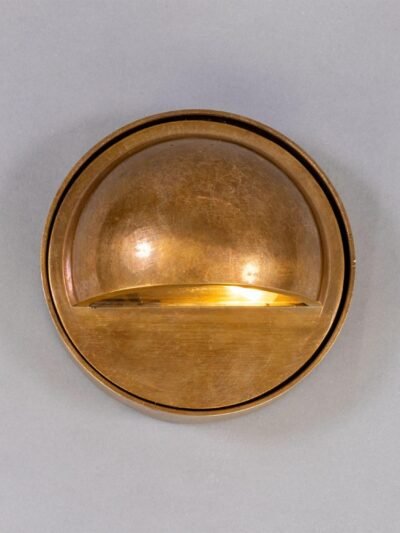
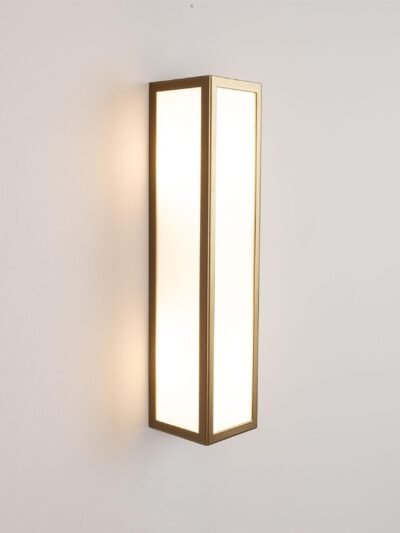
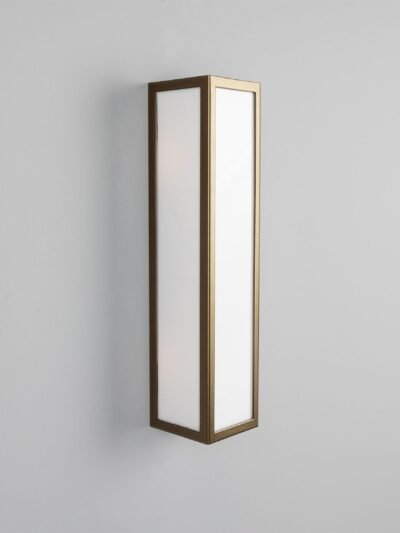
Lighting from the side or from more than one direction can reduce this problem. Modern wall sconces are useful along staircases because they bring light closer to the steps and create a more even effect.
Fittings should not project so far from the wall that they restrict movement. Their position should also prevent exposed bulbs from shining directly into someone’s eyes while they use the stairs.
Use Pendant Lighting in Tall Stairwells
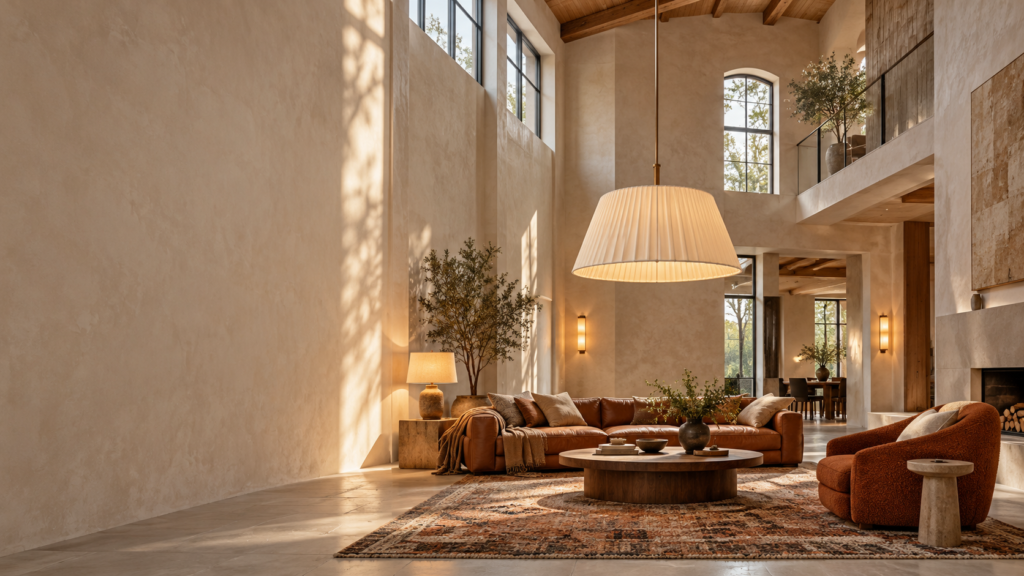
Stairwells with double-height ceilings can accommodate larger fittings. Modern pendant lights can fill the vertical space and create a focal point that is visible from different floors.
The suspension length should be planned carefully. The pendant must remain clear of people, handrails, and doors while still appearing connected to the staircase below.
Grouped pendant lighting fixtures can suit a modern stairwell, but maintenance should be considered before installation. Bulbs and shades positioned above stairs may require specialist equipment to reach safely.
Add Warmth to Narrow Hallways
A narrow hallway can feel cold when it contains only a bright overhead light. Wall-mounted fittings can create softer illumination and draw attention along the length of the space.
Light directed towards the walls can also make a corridor appear wider. If artwork or photographs are displayed, choose a fixture position that reduces glare on glass frames.
A small console table can support one of the available decorative table lamps, provided there is enough width for safe movement. This creates a welcoming pool of light near an entrance without relying entirely on the ceiling fixture.
Consider Lighting at Different Times of Day
The amount of light needed in a hallway changes throughout the day. Full brightness may be useful when cleaning or welcoming visitors, but a softer level can be more comfortable at night.
Compatible dimmers allow the main light to be adjusted. Separate switching at both ends of a corridor or at the top and bottom of a staircase also improves convenience.
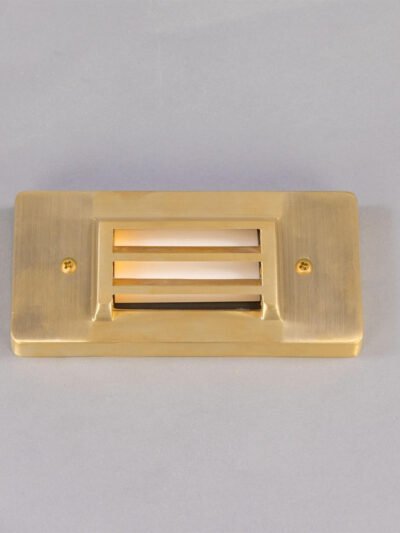
Low-level night lighting can help people move around after dark, but it should be positioned carefully so it does not create glare or confusing shadows.
Coordinate Fixtures With Nearby Rooms
A hallway connects different parts of the home, so its lighting does not need to create an entirely separate style. Repeating a finish, shape, or material used in nearby rooms can make the transition feel more natural.
For example, a brass wall light may connect with a nearby chandelier, while a black ceiling fixture may relate to door handles or stair rails.
Renov Official presents contemporary ceiling, pendant, wall, floor, and table lighting. When comparing options, consider the available space, mounting height, brightness, maintenance, and how the fixture relates to adjoining rooms.
Plan for Cleaning and Bulb Replacement
Lighting above stairs can be difficult to access. Fixtures with complex shades or many small components may require more maintenance than expected.
Before installation, consider how the fitting will be cleaned and how its light source will be replaced. Longer-lasting LED options may reduce maintenance frequency, although compatibility and replacement details should still be checked.
Permanent electrical work should always be completed by an appropriate professional.
Conclusion
Hallway and staircase lighting should support safe movement without making these areas feel harsh or purely functional. Even ceiling light provides visibility, while wall sconces, pendants, and occasional table lamps add depth and warmth.
Good planning considers shadows, headroom, access, and the relationship with neighboring rooms. This helps circulation spaces feel like a natural part of the home.
Frequently Asked Questions
Are wall sconces suitable for narrow hallways?
Yes, but low-profile designs are usually best because they are less likely to restrict movement.
Can a pendant hang above a staircase?
Yes, provided it has safe clearance and can be accessed for cleaning and maintenance.
Are dimmers useful in hallways?
Yes. They allow brighter lighting when required and a softer level during the evening, provided all components are compatible.