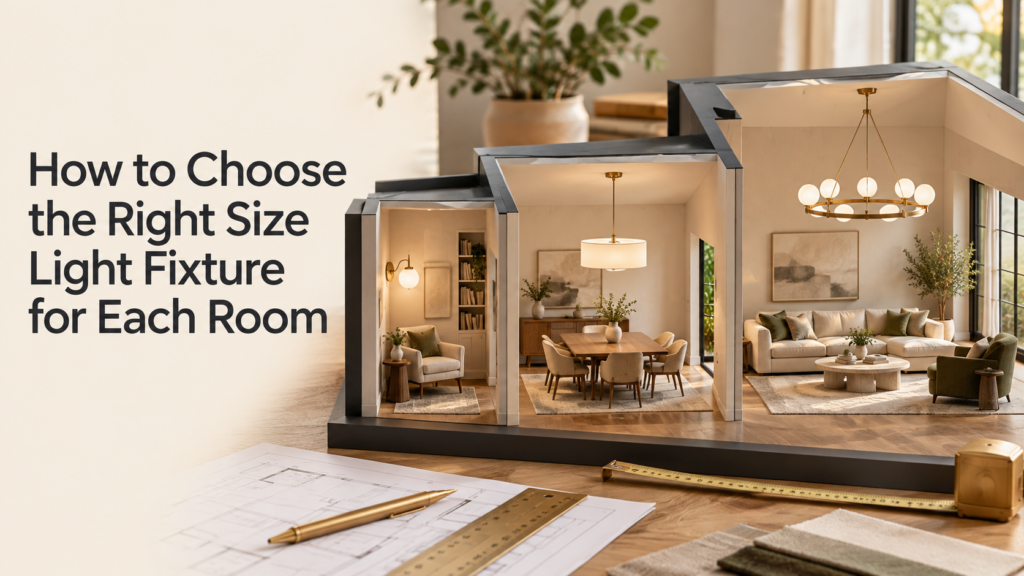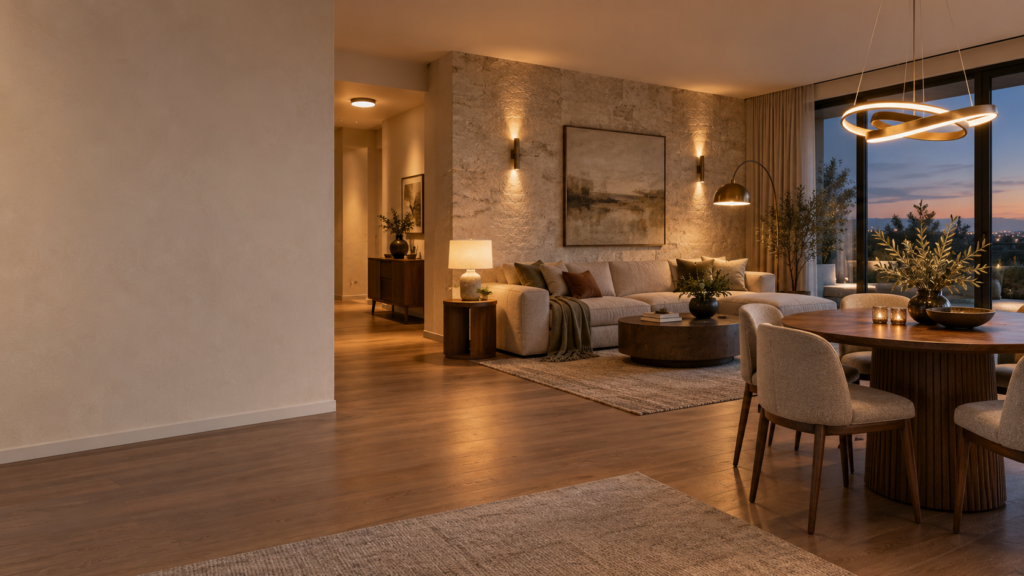
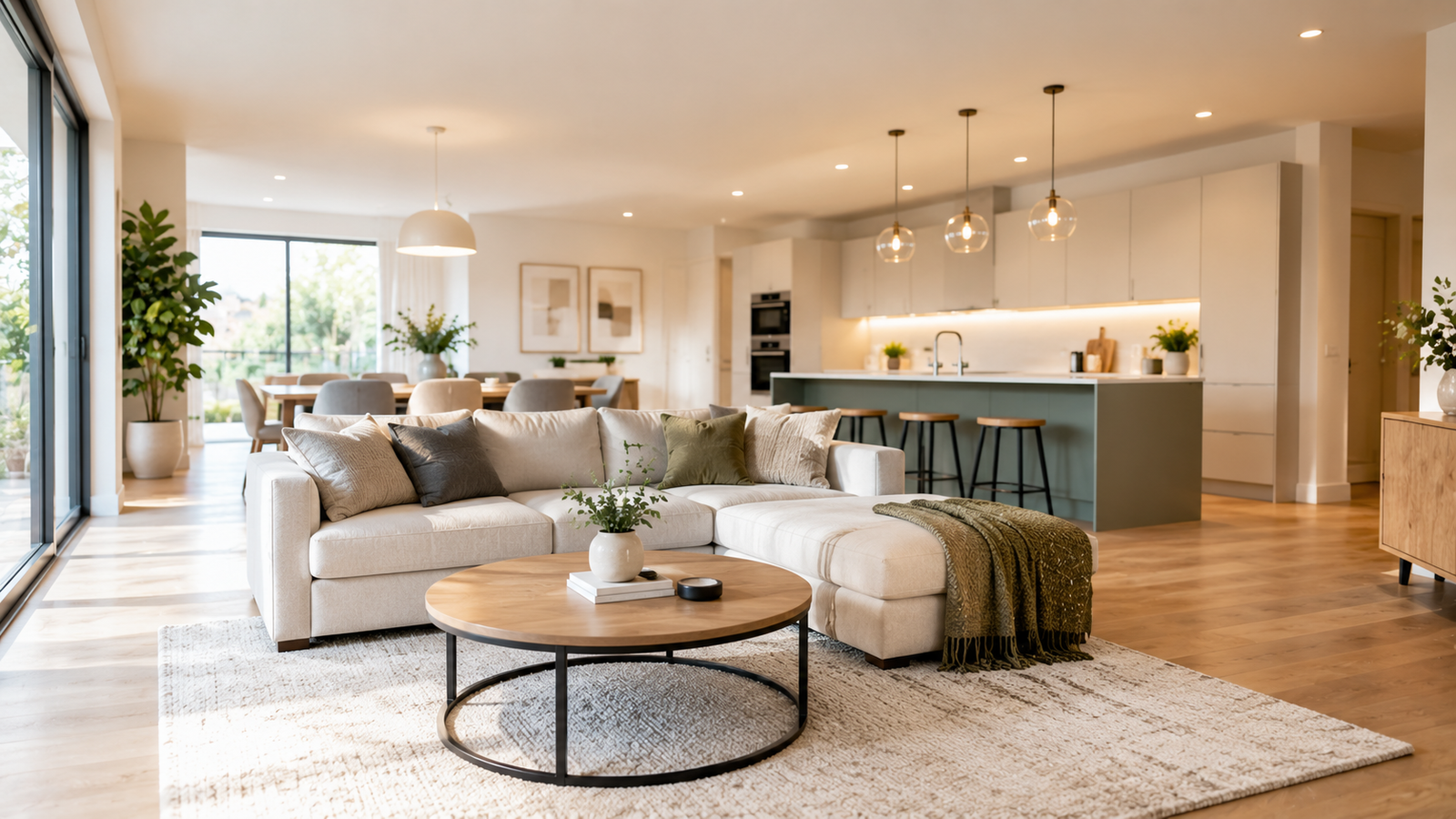
Open plan homes combine areas such as the kitchen, dining room, and living space without full walls between them. This layout can feel bright and spacious, but it also creates a lighting challenge. One fixture rarely provides enough light for every activity or gives each area its own identity.
A balanced plan uses different types of lighting while keeping the overall interior visually connected.
Begin With the Room’s Main Functions
Before choosing fixtures, list the activities that take place in each part of the room. A kitchen island needs clear task lighting, a dining table benefits from a defined focal point, and a seating area usually needs softer light for relaxing.
This simple step helps determine where brighter lighting is needed and where a warmer, lower level of illumination may be more comfortable.
Create a Base Layer of Light
General lighting provides the main brightness throughout the space. Modern ceiling lights can create an even base layer without drawing attention away from other fixtures.
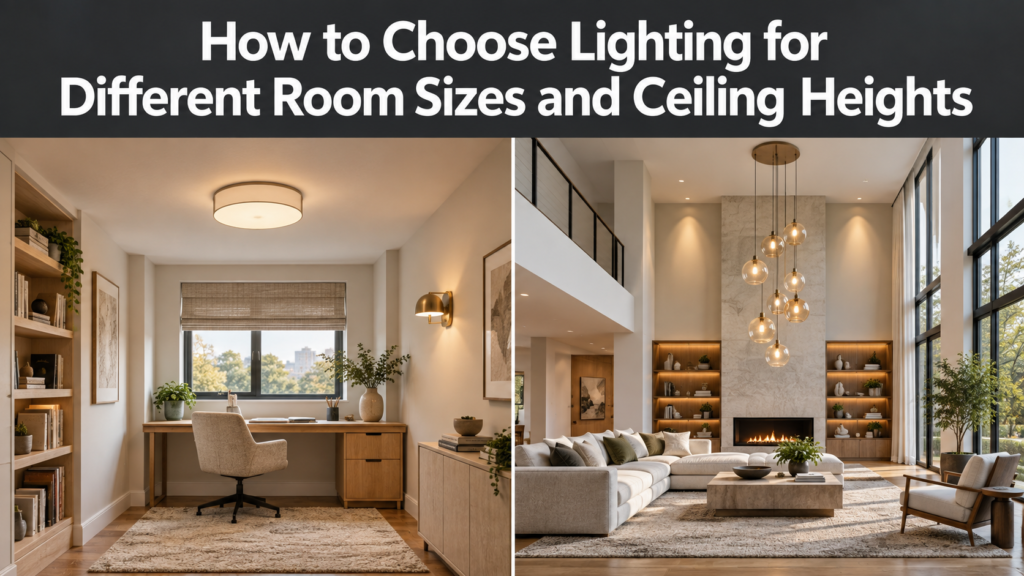
For areas with limited ceiling height, flushmount ceiling lights offer practical illumination while keeping the room feeling open. They can work well near walkways, entrances, and spaces where a hanging fixture might interrupt movement or sightlines.
Spacing is important. Several smaller fixtures may distribute light more evenly than one powerful fitting in the center of a large room.
Define Zones With Pendant Lighting
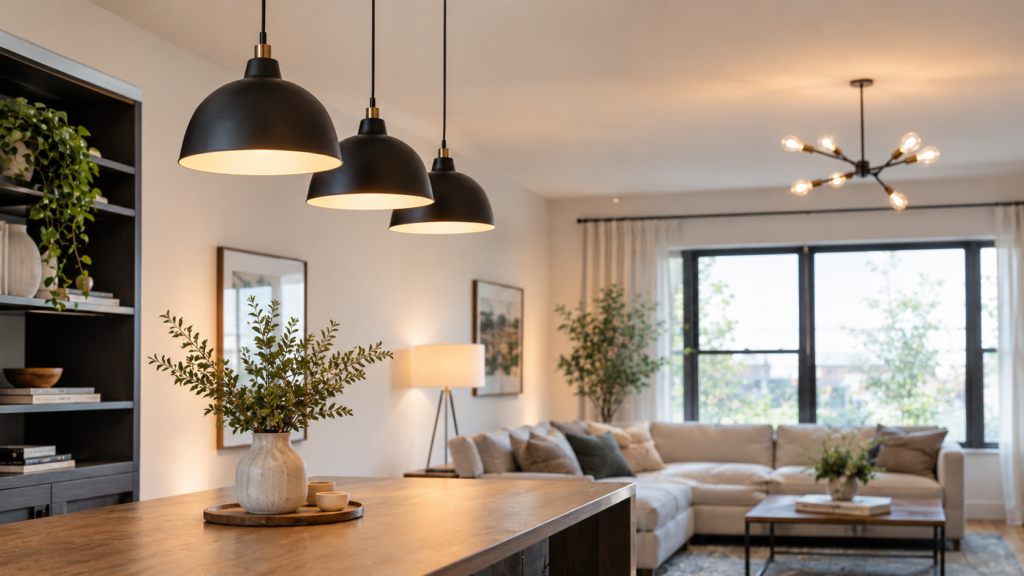
Different fixtures can visually separate areas without adding walls. Modern pendant lights are often used above kitchen islands or dining tables because they create a clear center for each zone.
The size and hanging height should relate to the furniture below. A pendant that is too small may look disconnected, while one that hangs too low may block views across the room.
Use similar finishes, colors, or shapes to connect fixtures without making every light identical.
Add a Decorative Focal Point
A larger open-plan room may benefit from one statement fixture. LED chandeliers can provide a focal point above a dining table or central seating area while offering efficient illumination.
Before selecting one, check its dimensions, brightness, and color temperature. Integrated LED fixtures should also be assessed for expected lifespan and whether the light source can be replaced or repaired.
A decorative fitting should complement the room rather than overpower the other lighting layers.
Use Lamps for Flexible Task Lighting
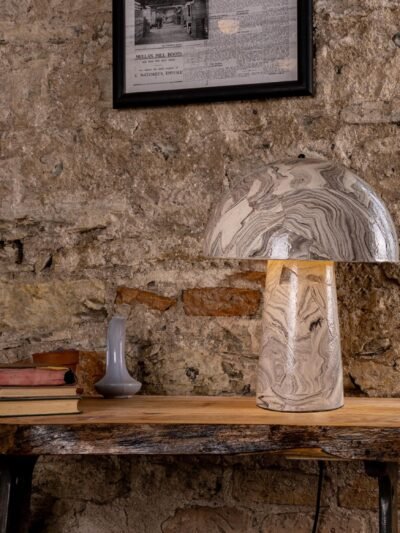
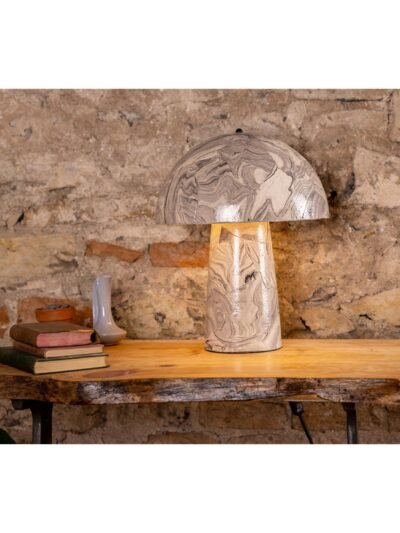
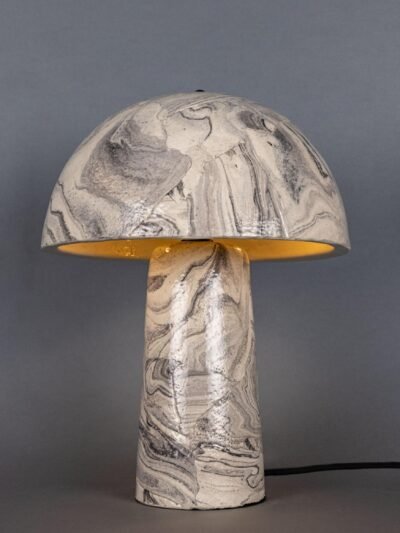
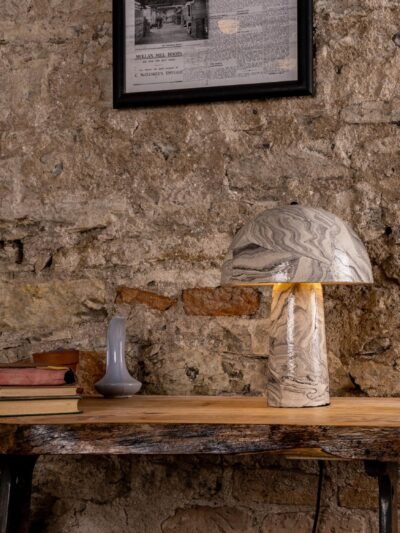
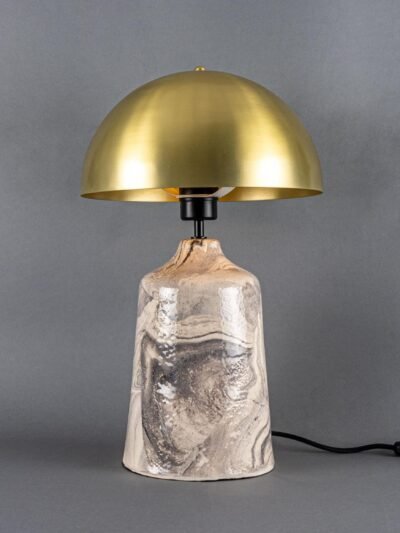
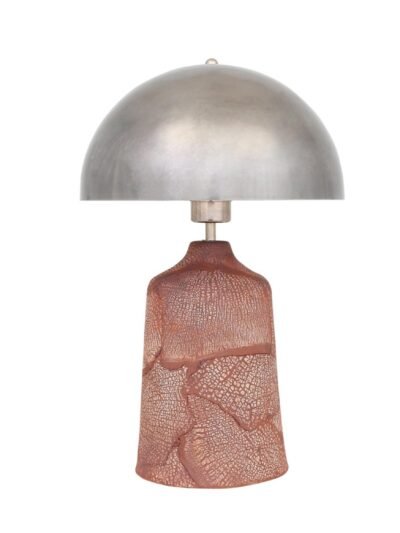
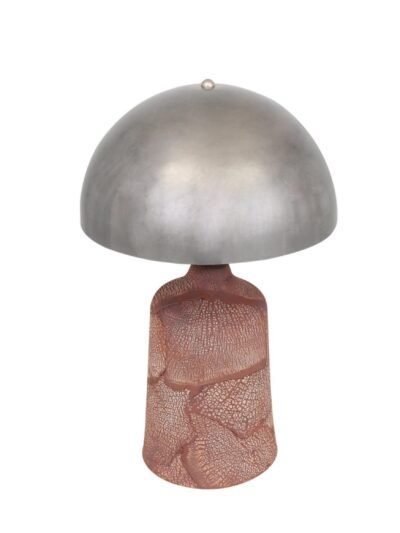
Ceiling fixtures cannot always direct light exactly where it is needed. Modern floor lamps can create a reading area beside a sofa or chair, while modern table lamps add softer illumination to sideboards, consoles, and occasional tables.
Lamps also make it easier to adjust the mood without switching on every ceiling light. This is particularly useful in the evening when the kitchen is no longer in use but the living area remains occupied.
Include Wall Lighting
Modern wall sconces can brighten darker sections of an open-plan room and add visual interest to large walls. They may be used beside artwork, near shelving, or along routes connecting different zones.
Wall lights are also useful when floor space is limited. Their placement should be planned alongside furniture and artwork so they remain balanced and functional.
Do Not Forget Connected Rooms
Lighting in nearby areas should be considered as part of the overall view. For example, bathroom vanity lights should provide even facial illumination while still relating to the home’s broader choice of finishes and color temperature.
Renov Official features a range of modern lighting categories. Regardless of where fixtures are selected, dimensions, output, safety ratings, and installation requirements should be checked before purchase.
Conclusion
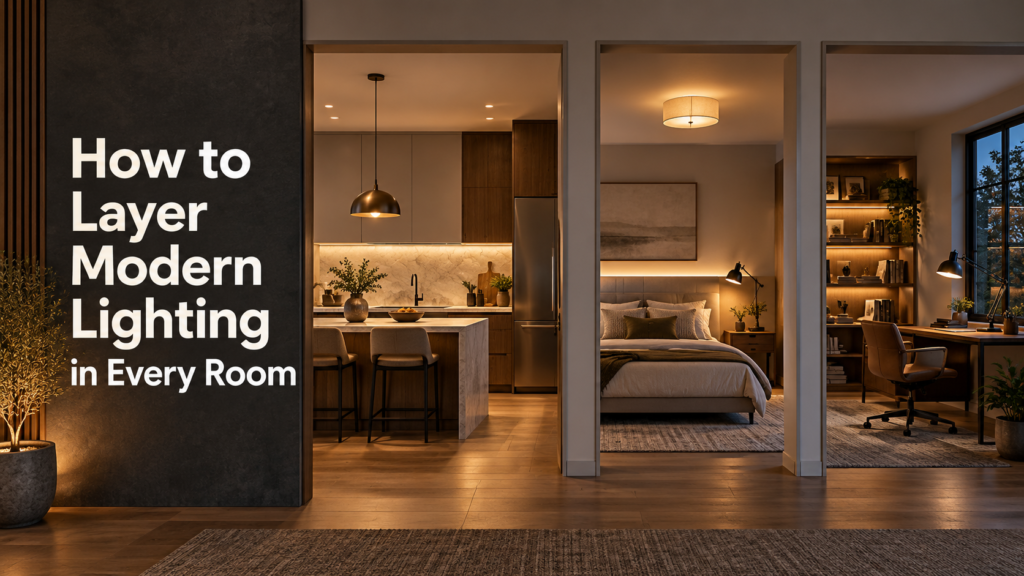
An open-plan home works best with several lighting layers. Ceiling fixtures provide general brightness, pendants define zones, and lamps create comfortable task lighting. Repeating selected colors or materials can bring the different areas together while allowing each space to serve its own purpose.
Frequently Asked Questions
Should all lights in an open-plan room match?
No. They should feel related, but different fixtures can help define separate areas.
What color temperature works best?
Warm white often suits living and dining areas, while neutral light may be useful in kitchens.
Are dimmers helpful in open-plan spaces?
Yes. Compatible dimmers allow each zone to adapt to different activities and times of day.