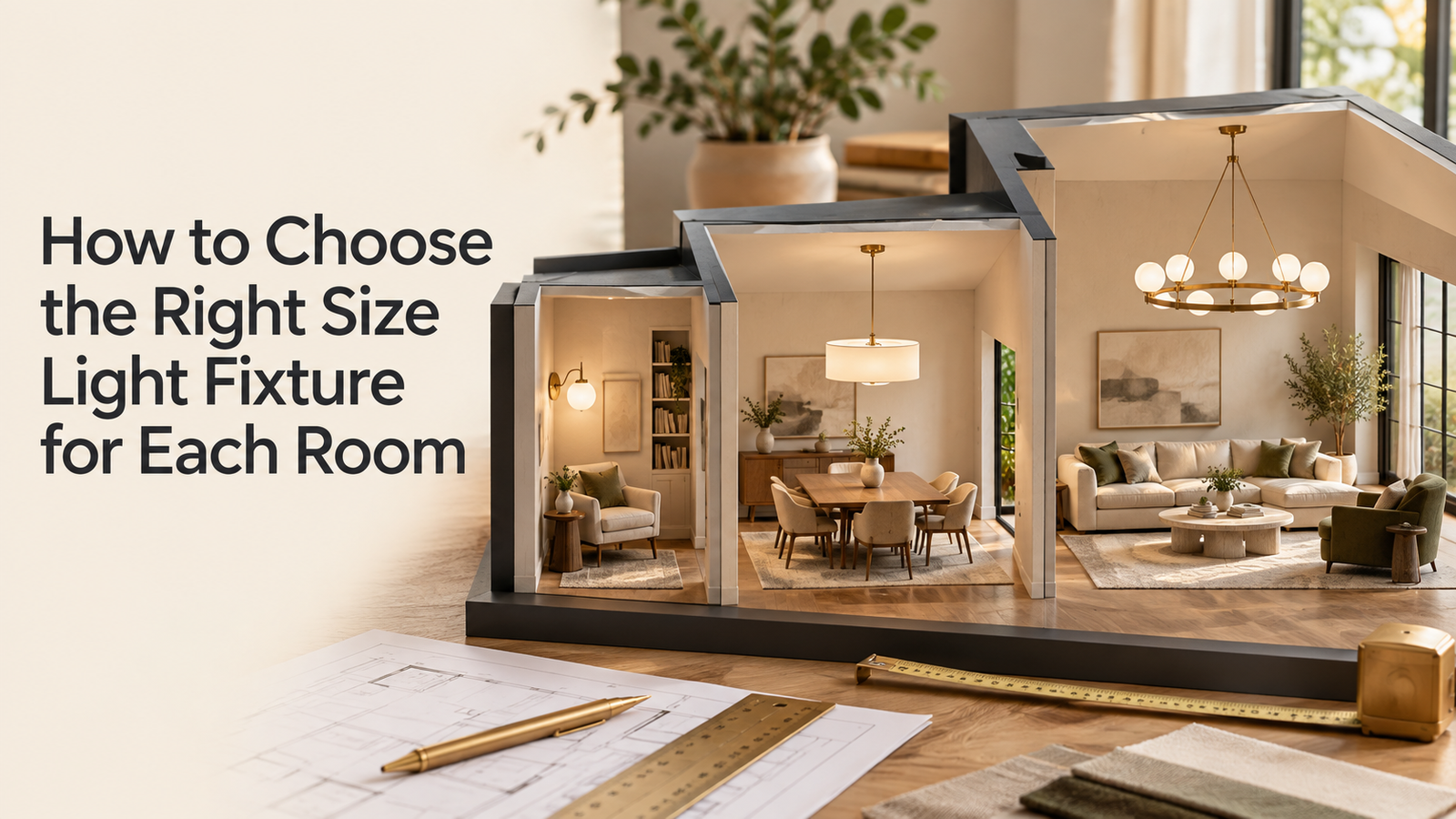
A light fixture can look impressive in a product image but feel too large or too small once it is installed. Scale affects more than appearance. It can influence how evenly a room is illuminated, whether people can move comfortably, and how well the fixture works with nearby furniture.
Before choosing a light, consider the dimensions of the room, ceiling height, and activities that take place in the space.
Measure the Room First
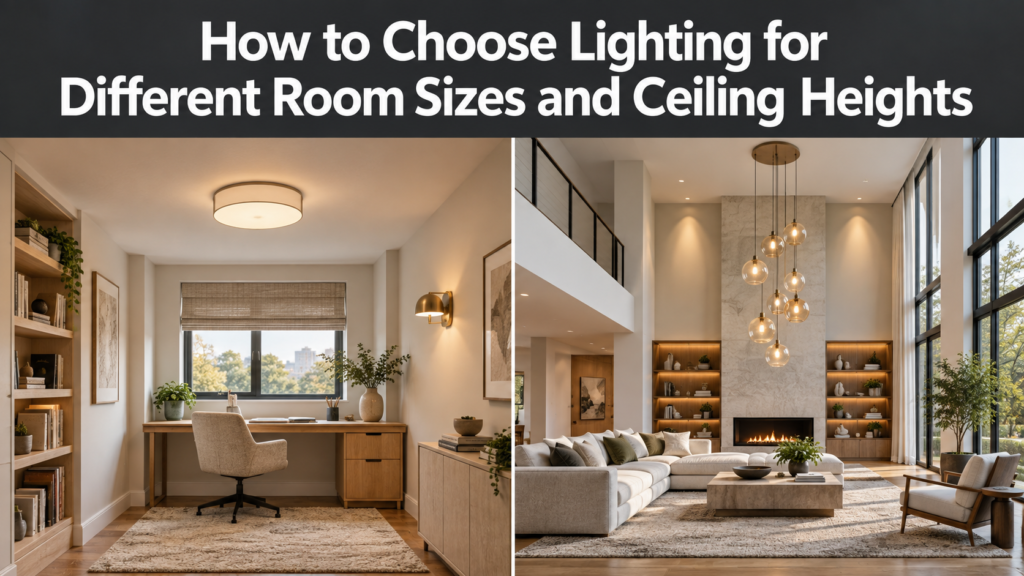
Begin by measuring the room’s length, width, and ceiling height. These dimensions provide a useful starting point for comparing fixtures. A large open room can usually support a wider or more visually detailed light, while a compact room may need something simpler.
The amount of furniture also matters. A room with tall cabinets, large artwork, or heavy furniture may visually support a more noticeable fixture than an open, minimal space of the same size.
Lighting for Low Ceilings
Low ceilings require fixtures that provide suitable brightness without reducing headroom. Flushmount ceiling lights sit close to the ceiling, making them useful in hallways, bedrooms, utility rooms, and other compact areas.
When comparing modern ceiling lights, check the complete fixture depth rather than relying only on the product photograph. A fitting that appears shallow online may hang lower than expected once its frame or shade is included.
Sizing Pendant Lights
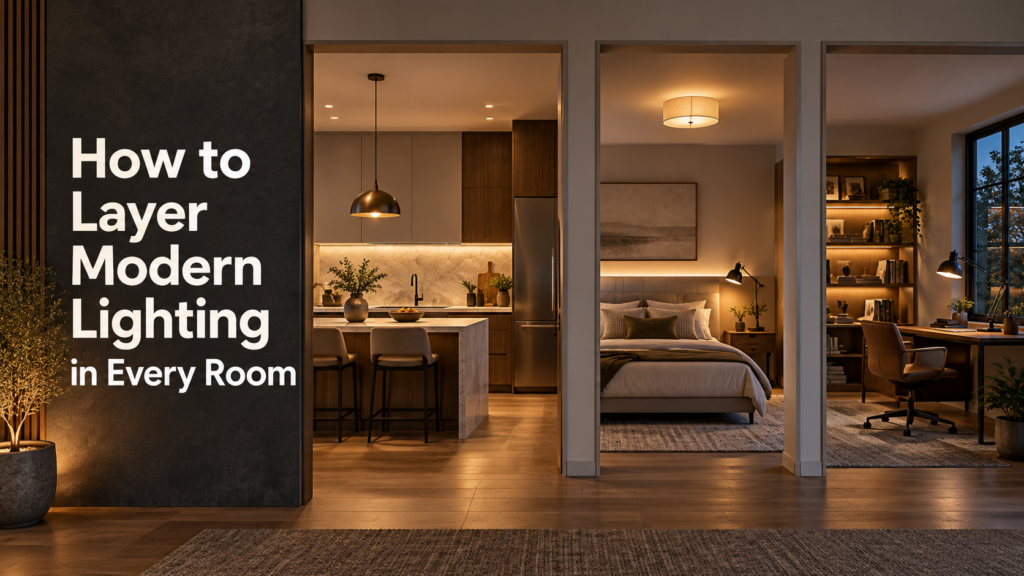
Modern pendant lights can help define kitchen islands, dining tables, and seating areas. Their size should relate to the surface below rather than the entire room alone.
A pendant above a dining table should provide light without blocking the view across the table. Multiple smaller pendants may work better than one large fixture above a long kitchen island. Equal spacing helps the arrangement feel balanced and reduces dark areas.
Choosing a Chandelier
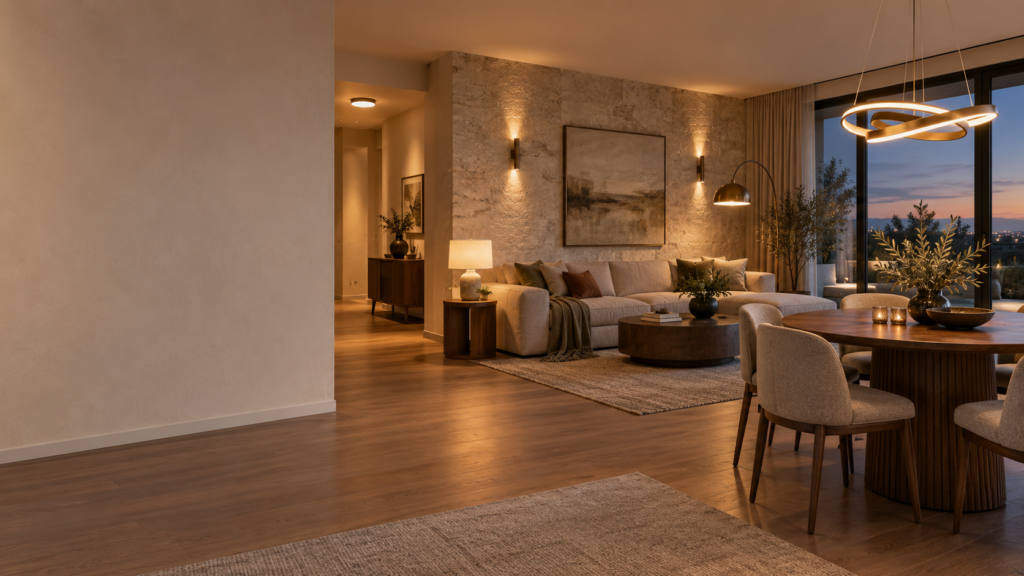
LED chandeliers are available in circular, linear, and sculptural forms. Because many modern designs spread horizontally, their width can have as much visual impact as their height.
Before purchasing, check the ceiling height and the space beneath the chandelier. A fixture positioned above a table can generally hang lower than one installed over an open walking area. It should remain high enough to avoid obstructing movement or sightlines.
Floor and Table Lamp Proportions
Modern floor lamps should relate to the height of nearby seating. A reading lamp needs to direct light toward a book or work surface without shining directly into the user’s eyes.
The shade and base should also fit the available floor space. A wide tripod base may not suit a narrow corner, even if the overall height is appropriate.
For modern table lamps, consider both the lamp and the furniture supporting it. A tall lamp on a small bedside table may feel unstable or out of proportion. The shade should not extend so far that it interferes with items placed nearby.
Wall Lighting Height and Spacing
Modern wall sconces can provide ambient, task, or accent lighting depending on their direction and placement. They are commonly installed beside beds, mirrors, and artwork and along hallways.
Mounting height should reflect the fixture design and the height of the people using the room. In a hallway, evenly spaced sconces create a consistent rhythm. Beside a bed, each fitting should be positioned where it can be reached comfortably.
Selecting Bathroom Lighting
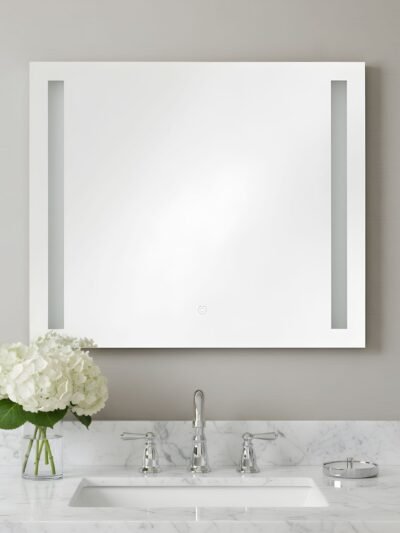
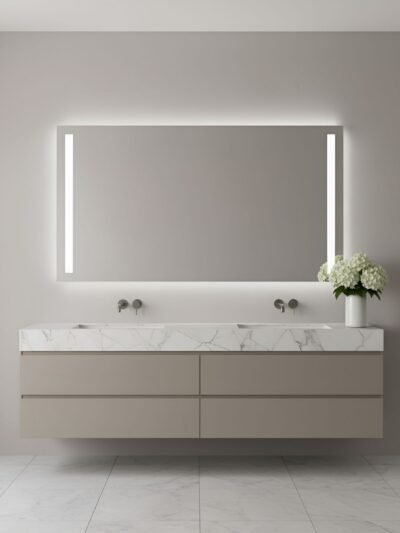
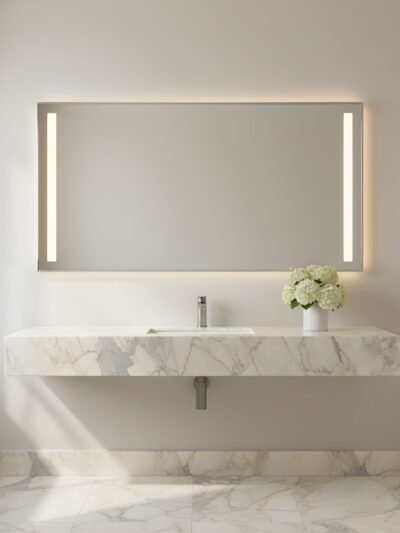
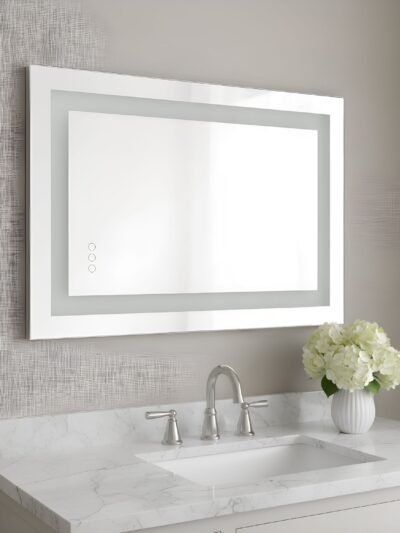
Bathroom vanity lights need to suit the width of the mirror and vanity. A fixture that is too narrow may leave the sides of the face in shadow, while an oversized fitting may extend beyond the mirror or nearby cabinetry.
Bathroom lights must also have an appropriate rating for their location, particularly when installed near water or in areas exposed to moisture.
Renov Official features fixtures across different lighting categories, but dimensions and installation requirements should always be reviewed carefully before a final choice is made.
Conclusion
Choosing the correct light fixture involves more than matching a particular decorating style. Room size, ceiling height, furniture proportions, and everyday activities all influence what will work. Careful measuring can help create lighting that feels balanced, provides useful illumination, and fits comfortably within the space.
Frequently Asked Questions
Should a light fixture be centered in the room?
Not always. In dining rooms or kitchens, centring it over a table or island may create a better result.
How low should a pendant light hang?
The correct height depends on the ceiling and surface below. It should provide light without blocking views or movement.
Can a small room use a statement light?
Yes, provided the fixture’s dimensions and hanging height do not overwhelm the room or reduce practical headroom.