
Lighting is a practical necessity, but it also influences the character of a home. The shape, finish, scale, and placement of a fixture can make a room feel calm, spacious, dramatic, or welcoming. Choosing suitable lighting becomes easier when the fixtures relate naturally to the colors, furniture, and materials already in the space.
Rather than making every light identical, aim for a consistent feature such as color, metal finish, or shape. This creates a coordinated result without making the interior look overly matched.
Consider the Room’s Main Purpose
Begin by thinking about how the room is used. A living room may need comfortable lighting for relaxing, reading, and entertaining, while a kitchen requires brighter illumination for preparing food.
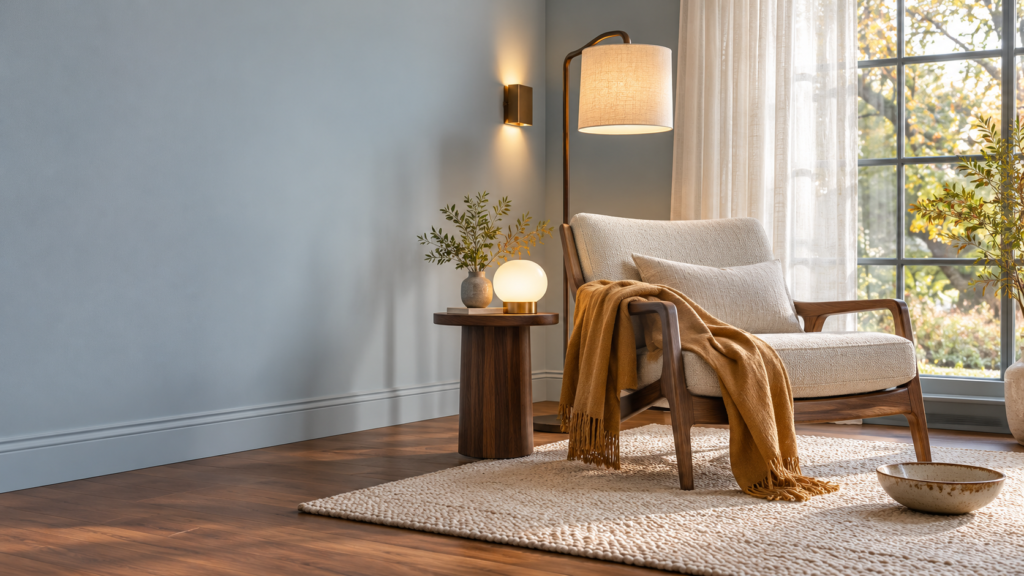
Adjustable floor lamps for living rooms can provide focused light beside a sofa or reading chair. They are particularly useful in rented homes or spaces where installing additional wiring is impractical. The lamp should be tall enough to spread light effectively without creating glare at eye level.
Bedrooms and home offices can benefit from decorative table lamps. These fixtures provide localized light while introducing color, texture, or an interesting silhouette. A ceramic base may complement a relaxed interior, while glass or metal can suit a more contemporary room.
Choose Lighting That Suits the Ceiling
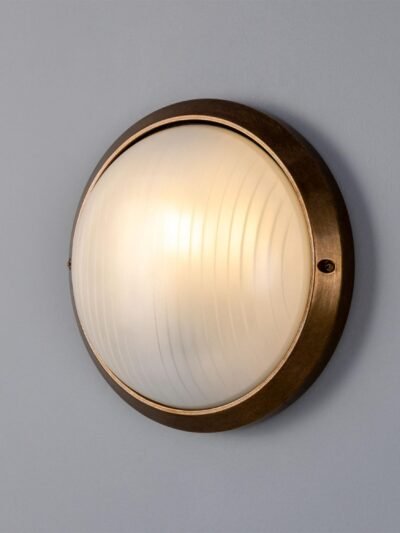
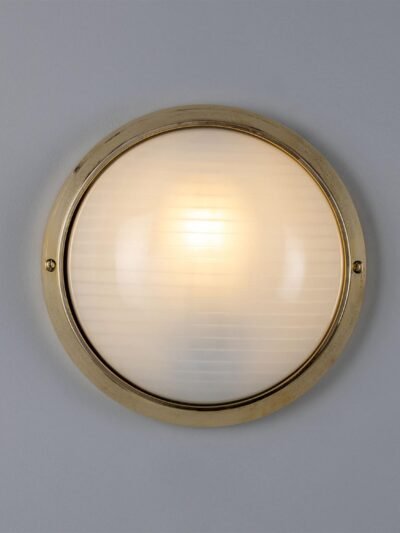
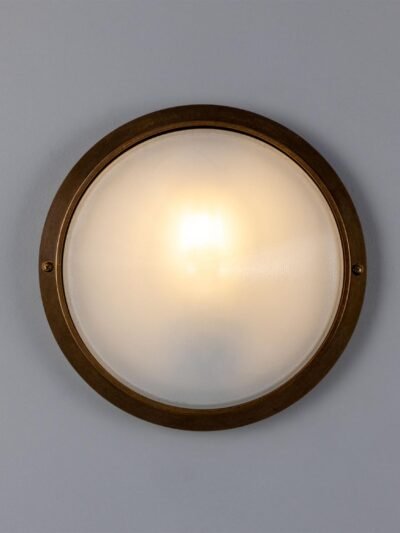
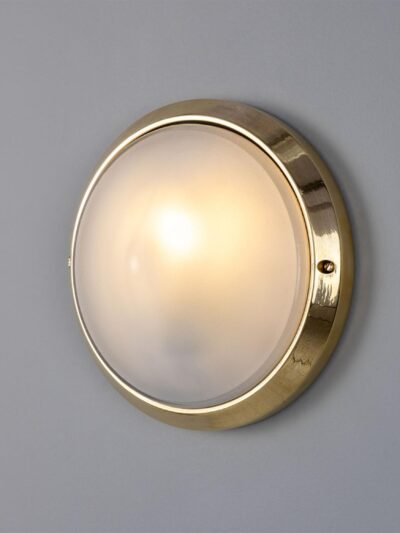
Ceiling height has a major influence on fixture selection. Rooms with limited vertical space often work well with flushmount ceiling lights because they sit close to the ceiling and maintain comfortable headroom. Their compact shape makes them practical for hallways, bedrooms, and smaller living areas.
Higher ceilings allow more room for designer ceiling lighting with a deeper or more sculptural form. The fixture should still be proportionate to the room. A small light may look lost in a large space, while an oversized fitting can overwhelm compact furniture.
Create Focus With Hanging Fixtures
Pendant lighting fixtures can visually define dining tables, kitchen islands, and seating areas. Their height is important: a pendant should be low enough to feel connected to the surface below but high enough not to obstruct movement or conversation.
For a stronger focal point, luxury chandeliers can add structure and visual interest. Contemporary chandeliers are not limited to traditional crystal designs. Geometric frames, layered glass, and integrated LED forms can work in modern interiors. Before selecting one, check its measurements, weight, brightness, and installation requirements.
Improve Mirrors and Wall Areas
Bathrooms need lighting that helps people see clearly without producing harsh shadows. Modern vanity lighting placed above or beside a mirror can provide more even illumination for grooming tasks. Any bathroom fixture should have an appropriate safety rating for its intended location.
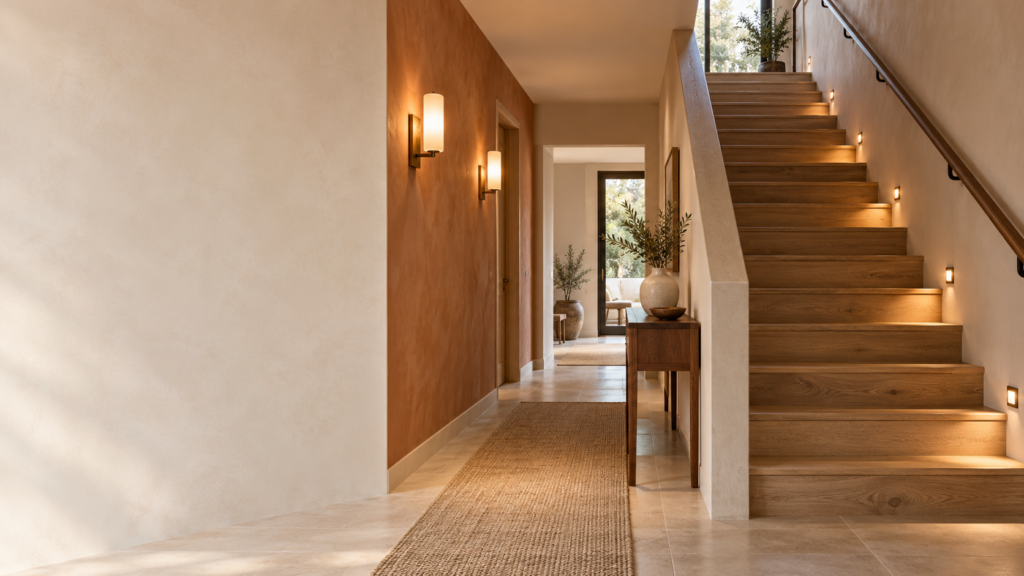
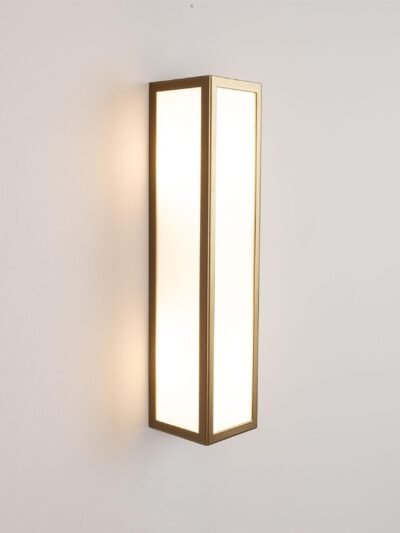
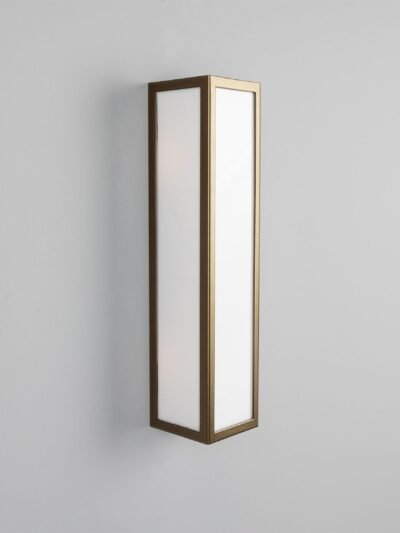
In other rooms, wall sconces can brighten hallways, frame artwork, or replace bedside lamps. They are also useful where floor and table space is limited. Matching the finish of wall lights with nearby hardware, such as handles or taps, can help connect the design.
Coordinate Finishes Without Overmatching
A room does not need fixtures from a single collection. Instead, repeat one or two visual details. Black metal pendants may coordinate with black wall sconces, while glass table lamps can relate to a glass chandelier.
Renov Official presents different lighting categories that can be considered when planning an interior. Whichever source is used, compare fixture dimensions, materials, color temperature, bulb requirements, and dimmer compatibility before making a decision.
Conclusion
The most effective lighting choices respond to both the room’s purpose and its interior style. Consider ceiling height, furniture scale, available space, and everyday activities before focusing on appearance. A consistent finish or shape can then bring different fixtures together while allowing each room to maintain its own character.
Frequently Asked Questions
Do all light fixtures in a home need to match?
No. Fixtures can vary between rooms, but repeating a finish, color, or design detail can create consistency.
What lighting works best with a low ceiling?
Flushmount fixtures are often practical because they provide general illumination without reducing headroom.
Can wall sconces replace table lamps?
Yes. They can provide focused bedside or reading light while keeping tables and floors clear.