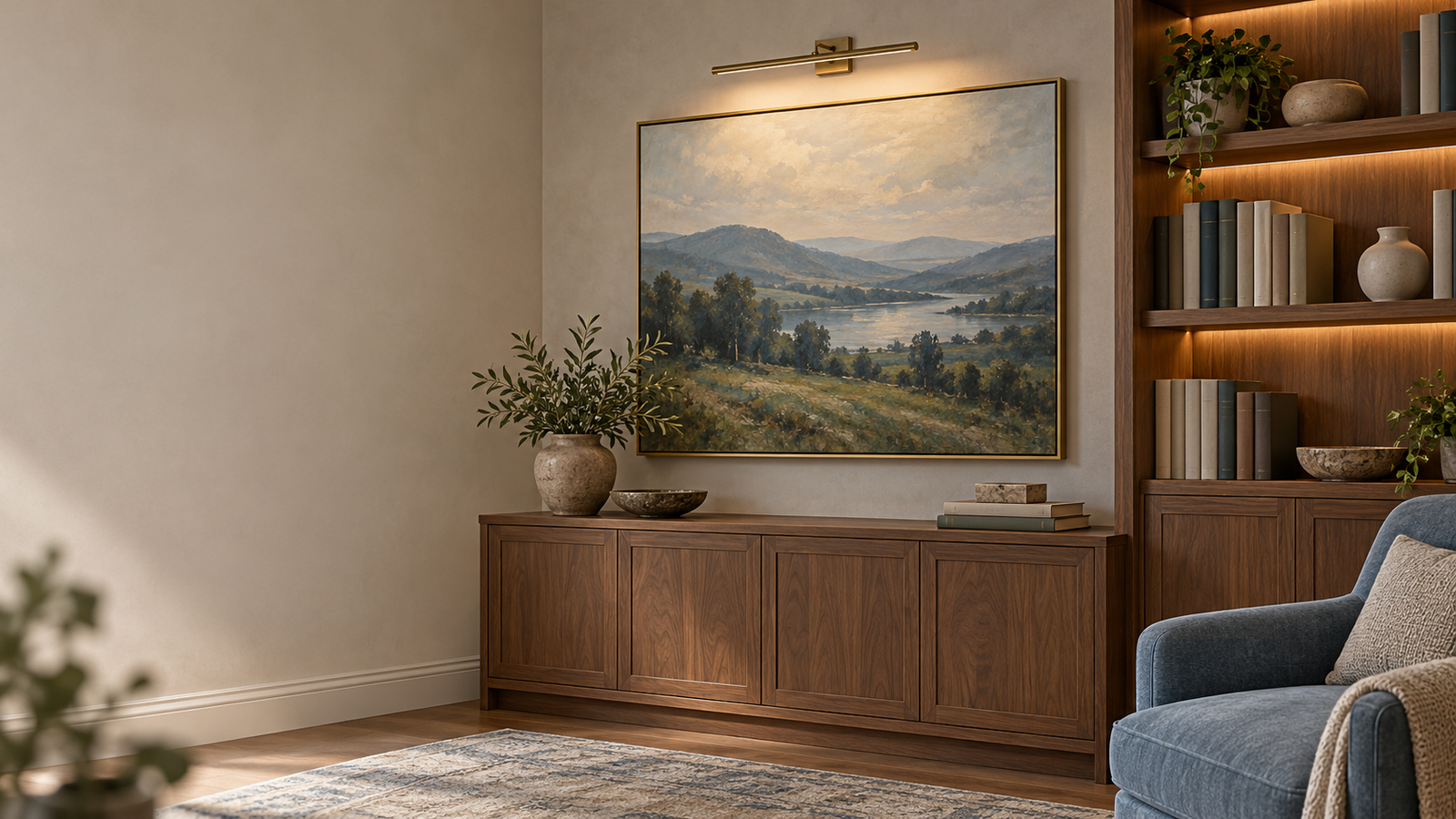
Artwork, books, and collected objects help make a home feel personal. However, these details can disappear into the background when lighting is focused only on the center of the room. A carefully placed lamp or wall fixture can reveal color, texture, and shape without making the interior feel like a showroom.
The aim is to support what is already in the room. Accent lighting should attract attention gently while remaining comfortable during everyday use.
Begin With the Main Room Lighting
Accent lights work best when they are supported by an appropriate level of general illumination. If the rest of the room is completely dark, a strongly lit painting or shelf can appear harsh and disconnected.
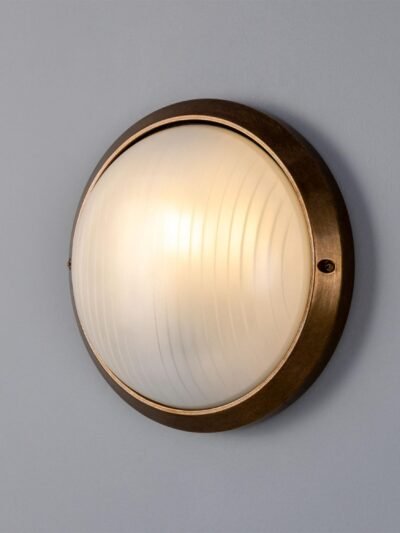
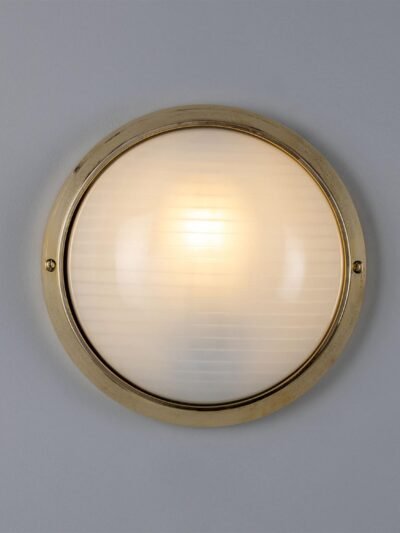
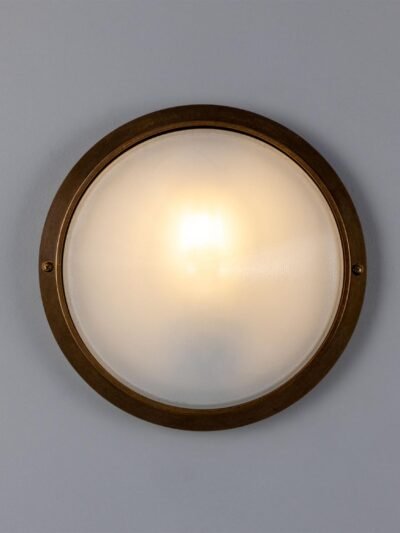
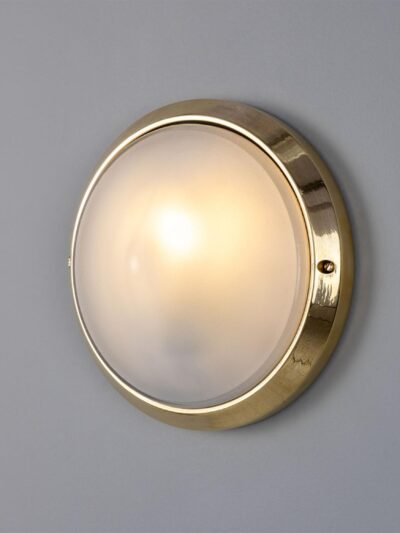
Modern ceiling lights can provide an even base across the space. In rooms with limited height, flushmount ceiling lights offer general brightness without competing visually with artwork or tall shelving.
The main light does not need to illuminate every detail. Its purpose is to establish a comfortable background level that allows focused lighting to work naturally.
Choose the Right Direction for Artwork
Artwork can be illuminated from the ceiling, wall, or nearby furniture. The best direction depends on the size of the piece, its surface, and the surrounding layout.
A light positioned at an angle can reduce shadows from the frame. However, artwork behind glass may reflect exposed bulbs or bright fixtures. Before installing anything permanently, test the light from common viewing positions.
Textured paintings may benefit from angled lighting because it reveals the surface. Highly reflective or delicate pieces require greater care.
Use Wall Lights as Part of the Display
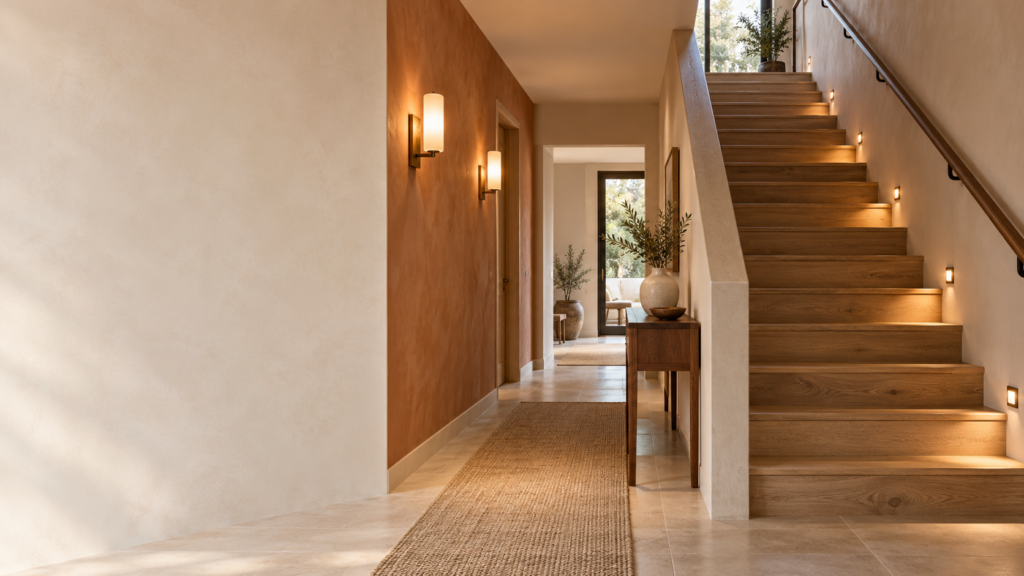
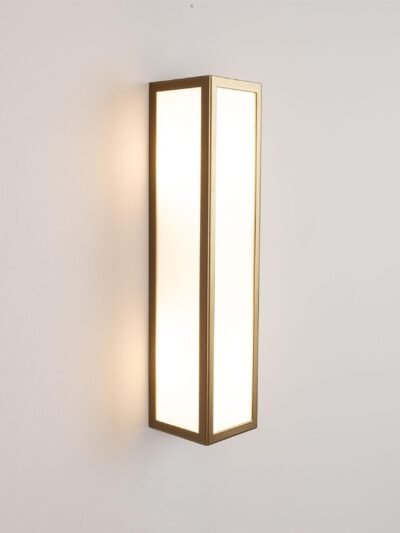
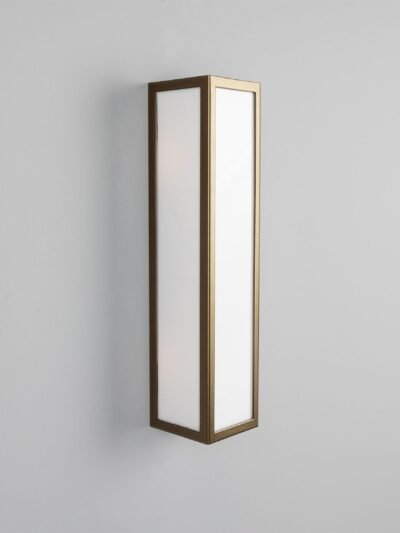
Modern wall sconces can frame a group of pictures or add ambient light around a gallery wall. They should support the display rather than compete with it.
Simple fixtures often work well around detailed art because they do not introduce another strong visual element. If the artwork is minimal, a more sculptural wall light can become part of the composition.
The mounting height should relate to the art, furniture, and eye level. Poor placement may create distracting shadows or leave the display unevenly lit.
Illuminate Bookshelves in Layers
Large bookcases can absorb light, especially when they contain dark books, deep shelves, or decorative objects. Rather than trying to brighten every shelf equally, focus on selected areas.
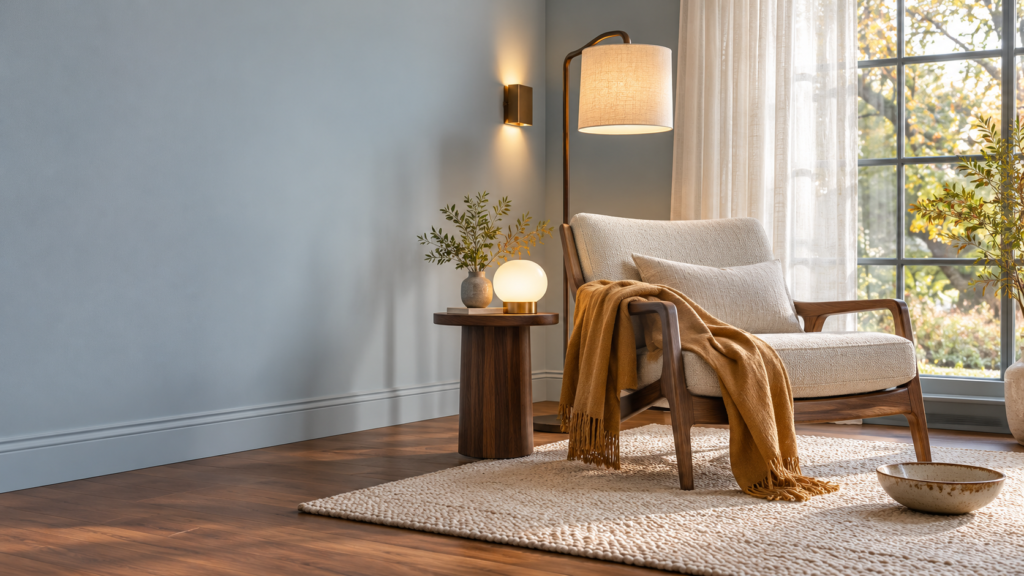
Small lamps placed beside a bookcase can provide soft side lighting. Decorative table lamps are particularly useful on low shelves, consoles, or nearby sideboards. Their shades help create a warm glow while highlighting the lower part of the display.
Tall floor lamps for living rooms can illuminate larger shelving units without requiring permanent installation. An adjustable design allows the light to be redirected when books or objects are rearranged.
Consider Pendant Lights for Display Areas
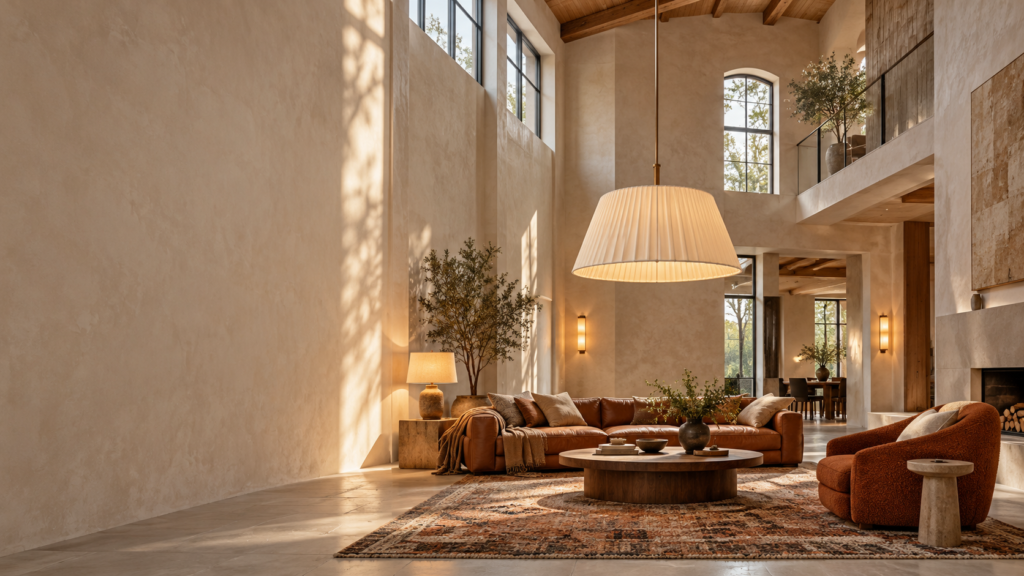
Modern pendant lights can define a reading corner, display table, or group of shelves. Their height should be planned carefully so that the fixture does not block the artwork or create glare.
A pendant with a narrow beam can focus attention on one surface, while a diffused shade provides wider illumination. When using several pendant lighting fixtures, consistent spacing helps the arrangement feel intentional.
Protect Sensitive Artwork and Objects
Some materials can fade or deteriorate when exposed to strong light for long periods. Photographs, fabrics, prints, and older books may be especially sensitive.
Avoid placing delicate items beneath very hot bulbs or in intense direct sunlight. LED lighting generally produces less heat than traditional incandescent bulbs, but brightness, distance, and exposure time should still be considered.
For valuable or irreplaceable pieces, seek specialist advice before installing dedicated lighting.
Keep Brightness Under Control
Accent lighting should be noticeable without overwhelming the room. If a shelf or picture is significantly brighter than everything around it, the contrast can become uncomfortable.
Dimmers can help adjust the intensity for different times of day. Separate controls for general and accent lighting provide more flexibility, although all components must be compatible.
Renov Official features contemporary ceiling, pendant, floor, table, and wall lighting styles. When comparing fixtures, consider light direction, bulb type, heat output, dimensions, and the surfaces being illuminated.
Conclusion
Lighting artwork and bookshelves is about balance rather than maximum brightness. General ceiling lighting creates a comfortable base, while wall lights, table lamps, floor lamps, and pendants bring attention to selected details.
By testing angles and controlling intensity, personal collections can remain visible without making the room feel overly staged.
Frequently Asked Questions
Can ordinary lamps be used to light artwork?
Yes. A well-positioned table or floor lamp can highlight artwork, provided it does not create glare or excessive heat.
Should every shelf be illuminated?
No. Lighting selected shelves or objects often creates a more natural and visually interesting effect.
Can strong light damage artwork?
Yes. Prolonged exposure to intense light, heat, or direct sunlight may affect sensitive materials. Valuable pieces may require specialist guidance.