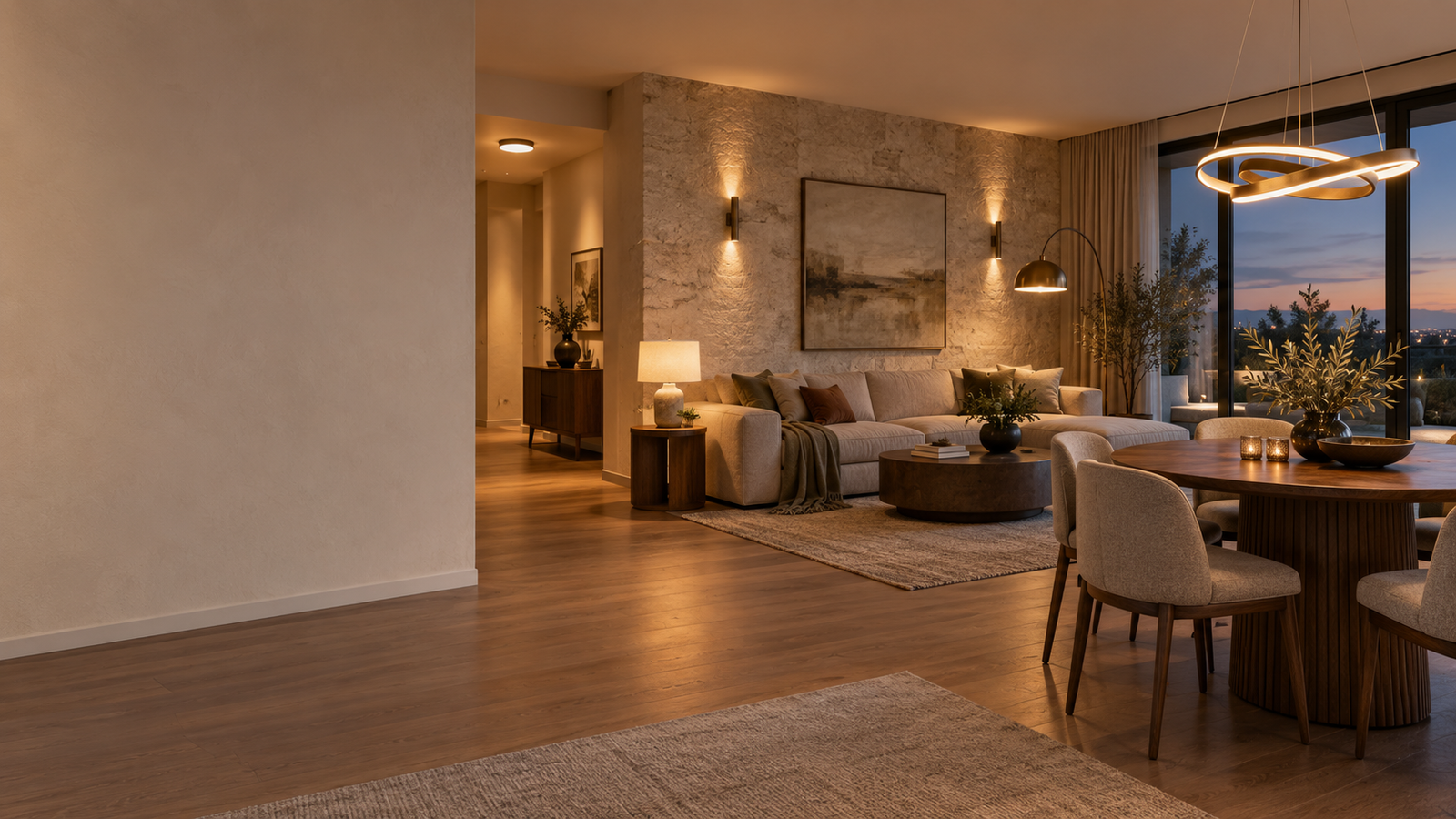
Good lighting does more than make a room visible. It affects how colors appear, how comfortably tasks can be completed, and how the proportions of a space are perceived. A layered lighting plan combines several sources instead of expecting one fixture to handle every need.
Understand the Three Lighting Layers
Ambient lighting provides the general illumination needed to move around safely. Task lighting focuses on activities such as reading, cooking, grooming, or working. Accent lighting draws attention to artwork, architectural details, or textured surfaces.
Plan Around the Room’s Function
Begin by listing how the room is used and where each activity occurs. This creates a practical map for fixture placement before style decisions begin.
Using Modern Ceiling Lights
Modern ceiling lights often form the ambient layer. Fixture size should relate to the room’s dimensions and ceiling height, while placement should distribute light evenly.
Flushmount ceiling lights sit close to the ceiling, making them useful in rooms with limited headroom, corridors, or compact bedrooms.
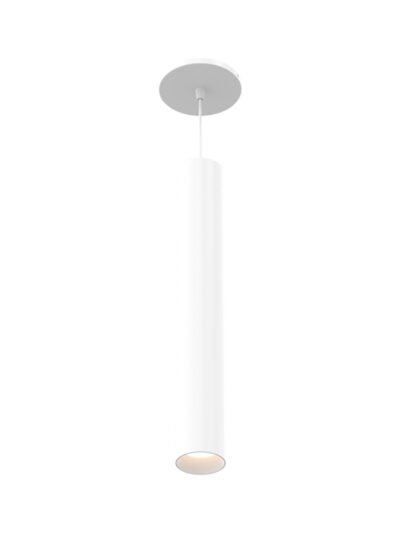
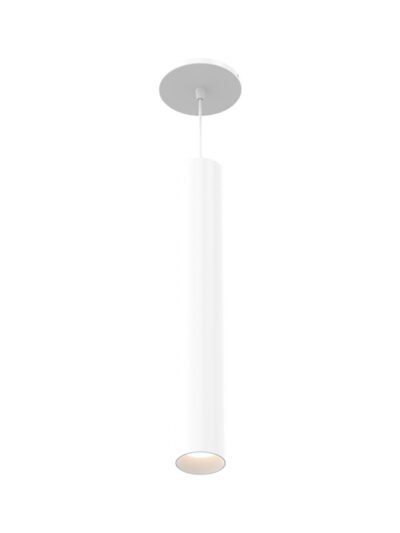
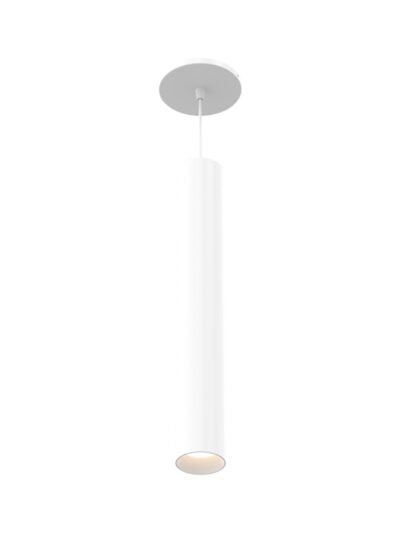
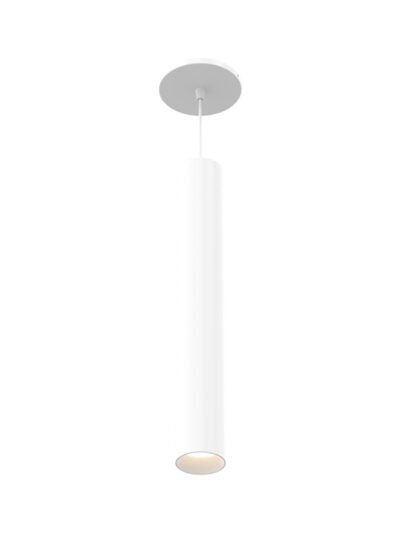
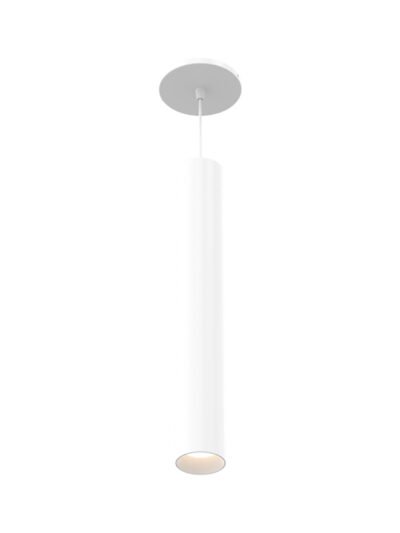
Modern pendant lights hang lower and can define areas within an open plan room. The hanging height should preserve sightlines and provide illumination without shining directly into people’s eyes.
Making a Statement With LED Chandeliers
LED chandeliers can combine decorative impact with efficient illumination. Contemporary designs may use rings, branches, or sculptural linear forms rather than traditional tiers. Before choosing one, check its dimensions from several viewpoints, not only directly underneath.
Integrated LEDs can offer slim shapes that conventional bulbs cannot produce. However, buyers should consider color temperature, dimming compatibility, expected lifespan, and whether the light source or driver can be replaced. A dramatic fixture should still provide practical light and remain suitable for maintenance.
Adding Flexible Light With Floor and Table Lamps
Modern floor lamps add illumination without requiring ceiling work. An arched lamp can reach over a sofa, while an upright design can brighten a dark corner.
Modern table lamps work well beside beds, sofas, and desks. Their height affects where the light falls, so the shade should generally shield the bulb from direct view when someone is seated.
Lighting Walls and Artwork
Modern wall sconces provide light at eye level, helping reduce the flat appearance created by ceiling lighting alone. They can frame fireplaces, illuminate hallways, or support bedside reading.
Wall lighting is also useful for accenting texture. A fixture placed close to brick, stone, or decorative plaster can create highlights and shadows.
Choosing Bathroom Vanity Lights
Bathroom vanity lights should illuminate the face evenly for grooming. Fixtures placed on both sides of a mirror can reduce shadows more effectively than one strong light directly overhead.
Bathrooms require fixtures suitable for their location and exposure to moisture. Electrical safety zones and local requirements should guide installation. Color rendering is also important because poor-quality light can make skin tones and colors appear inaccurate.
Consider Color Temperature and Controls
Warm light can create a relaxed atmosphere in living rooms and bedrooms, while neutral light may suit kitchens, bathrooms, and work areas.
Dimmers and separate circuits allow the lighting to change with the activity. Smart controls can add schedules and scenes, but ordinary switches should remain intuitive. Confirm that fixtures, lamps, drivers, and dimmers are compatible before installation.
Renov Official lists floor lamps, table lamps, flushmount fixtures, pendants, chandeliers, vanity lights, and sconces among its lighting categories. Regardless of where fixtures are sourced, dimensions, electrical ratings, installation instructions, and return terms should be reviewed before purchase.
Conclusion
A successful lighting plan balances visibility, comfort, and atmosphere. Starting with room functions, then combining ceiling, wall, and portable fixtures, creates flexibility. Careful attention to scale, glare, color temperature, and controls helps each layer work as part of the whole room.
Frequently Asked Questions
Should every room have a ceiling light?
Not necessarily. Some rooms can use wall and portable lighting, although safe general illumination should always be available.
What color temperature suits a living room?
Warm white light is commonly chosen for relaxed spaces, but personal preference, finishes, and natural light should guide the decision.
Can all LED fixtures be dimmed?
No. The fixture, driver, and dimmer must be compatible. Check the manufacturer’s specifications before purchasing or installing controls.