A light fixture may look attractive in a photograph but feel completely different once installed. A fixture that is too small can disappear into the room, while an oversized design may interrupt sightlines or make the space feel crowded.
Choosing the right size involves more than measuring the ceiling. Room dimensions, furniture scale, ceiling height, and the purpose of the light should all influence the decision.
Begin With the Room’s Dimensions
Measure the length, width, and ceiling height before comparing fixtures. These measurements create a useful starting point, although they should not be treated as the only factors.
A large room generally needs a wider fitting or several coordinated light sources. Compact rooms may require smaller fixtures that provide enough brightness without dominating the interior.
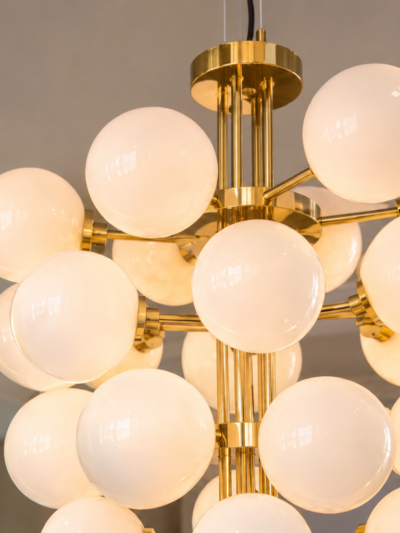
The visual weight of a fitting also matters. Open frames and clear glass can appear lighter than solid shades, even when their dimensions are similar.
Consider the Height of the Ceiling
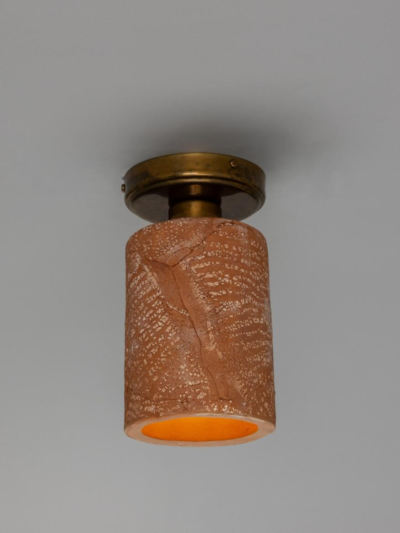
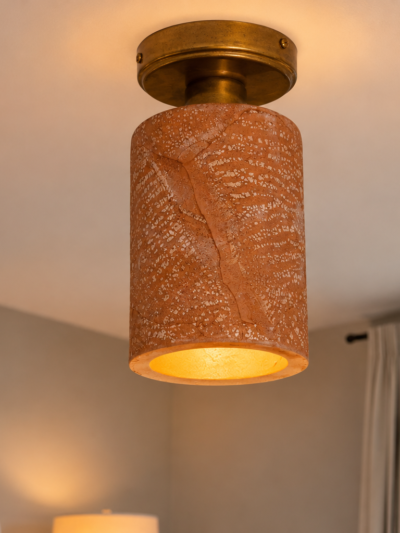
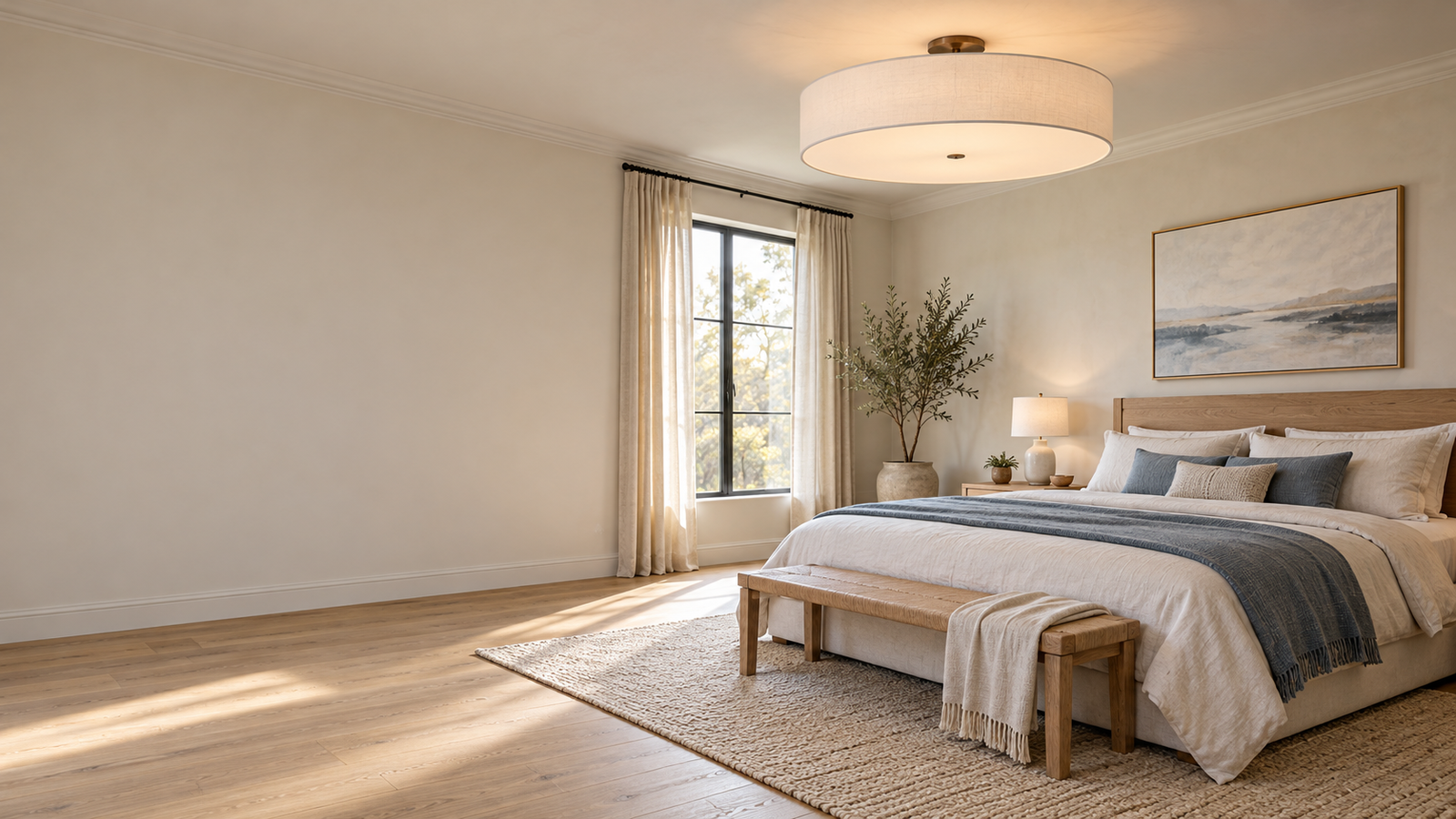
Low ceilings often benefit from flushmount ceiling lights because they provide general illumination while preserving headroom. They can be practical in bedrooms, hallways, and rooms where people regularly walk beneath the fitting.
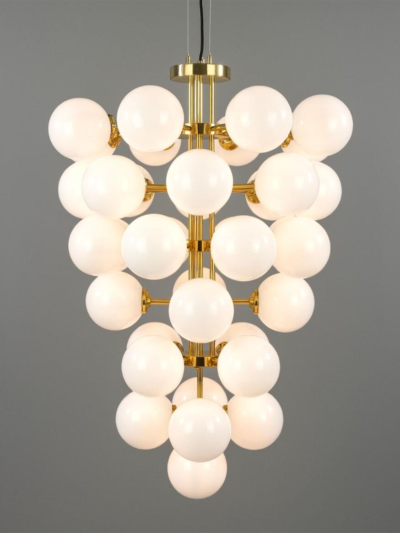
Higher ceilings allow more freedom for designer ceiling lighting with deeper or suspended forms. In an entrance hall or large living area, luxury chandeliers can fill vertical space and create a central feature.
Before buying a large ceiling light, check its total drop, width, and weight. The ceiling structure must also be able to support it safely.
Relate Pendants to the Furniture Below
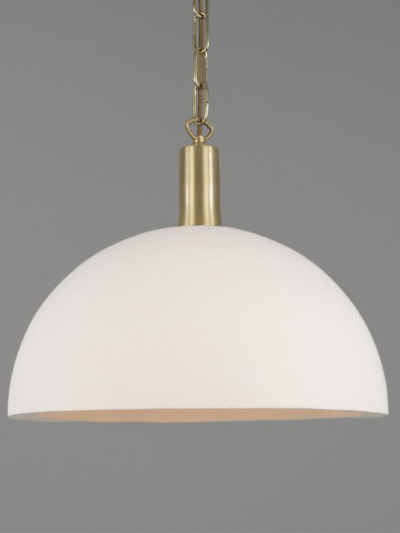
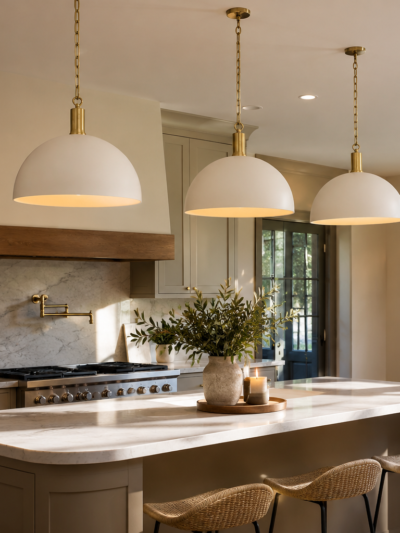
Pendant lighting fixtures are often installed above dining tables, kitchen islands, or occasional tables. Their size should relate to the surface beneath them rather than the dimensions of the entire room alone.
A very small pendant above a long dining table may look unbalanced. Several smaller pendants or one longer fitting may create better proportions. The fixture should also be positioned high enough to avoid blocking conversation or movement.
If several pendants are being installed, consider the space between them as well as their individual width.
Choose Floor and Table Lamps Carefully
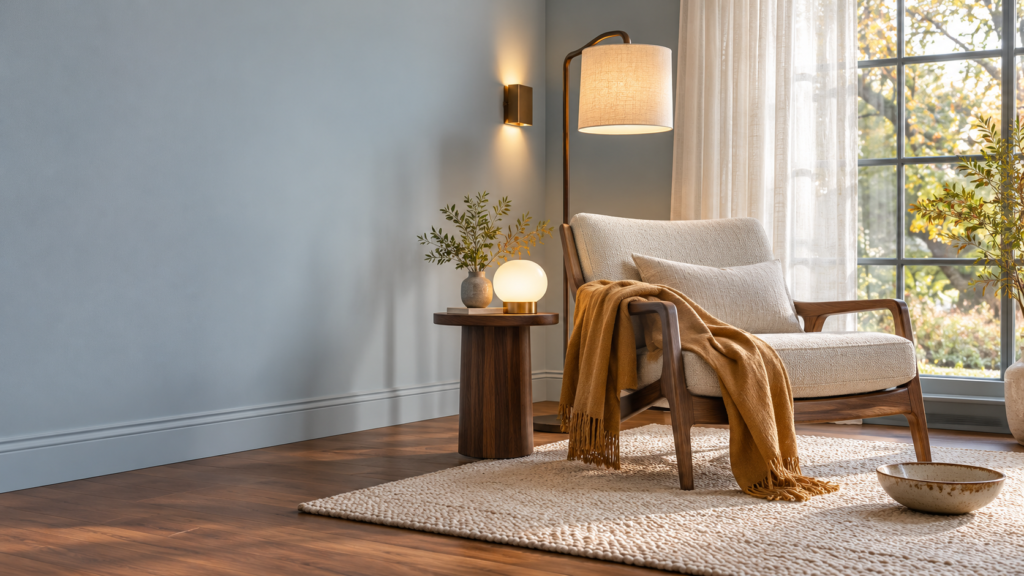
Floor lamps for living rooms should work with the height of nearby sofas, chairs and tables. A reading lamp needs to direct light towards the page without creating glare at eye level.
Large floor lamps can anchor an empty corner, while narrow designs are more suitable for compact areas. The base should remain stable without obstructing a walkway.
Decorative table lamps should be proportionate to the furniture supporting them. A small lamp can look lost on a wide sideboard, while a large lamp may overwhelm a narrow bedside table. Remember that the shade is usually the widest part of the lamp.
Size Bathroom and Wall Fixtures Correctly
Modern vanity lighting should relate to the width and position of the bathroom mirror. A fixture placed above the mirror should provide balanced light without extending awkwardly beyond the surrounding furniture.
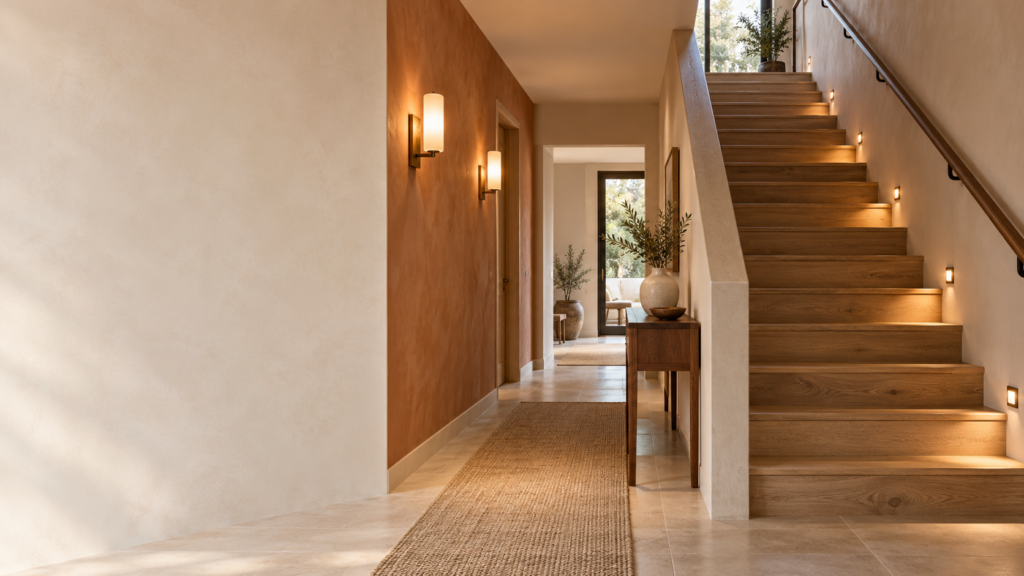
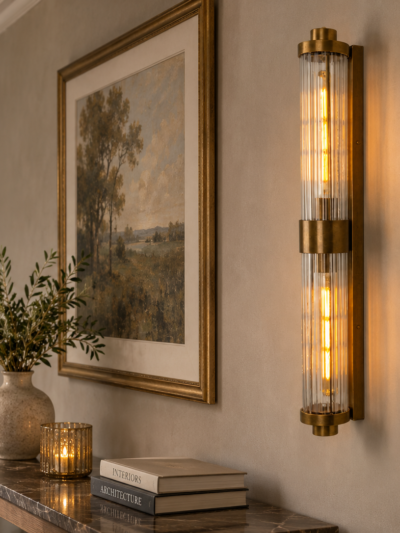
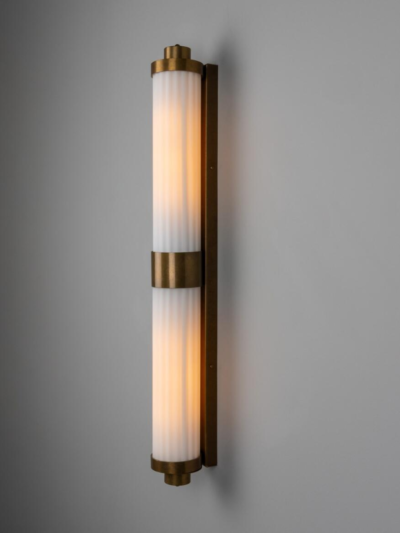
Pairs of wall sconces can frame a mirror, bed, or piece of artwork. Their placement should account for furniture height, door movement, and eye level. If wall lights are installed too close together or too high, they may feel disconnected from the feature they are intended to illuminate.
Renov Official presents lighting options across several categories. Whatever source is used, homeowners should check the full product dimensions rather than judging size from photographs alone.
Remember, Brightness and Scale Are Different.
A larger fixture is not necessarily brighter. Light output depends on the bulb, LED system, shade material, and direction in which the light is distributed.
Check the lumen output, color temperature, and dimmer compatibility separately from the fixture’s physical size. This helps ensure that the fitting looks proportionate while still providing enough useful illumination.
Conclusion
The right lighting size depends on the relationship between the fixture, room, and surrounding furniture. Accurate measurements can reduce mistakes, but visual weight, ceiling height, and intended use also matter. Planning these details before purchasing can create a more balanced and practical interior.
Frequently Asked Questions
Should a ceiling light be centered in the room?
Not always. It may be more effective to center it over a dining table, kitchen island, or seating area.
Can a small room have a large light fixture?
Yes, if the fitting has suitable proportions and does not restrict headroom or movement.
Does a larger fixture produce more light?
Not necessarily. Brightness depends on lumen output, bulb type, and the way the fixture distributes light.