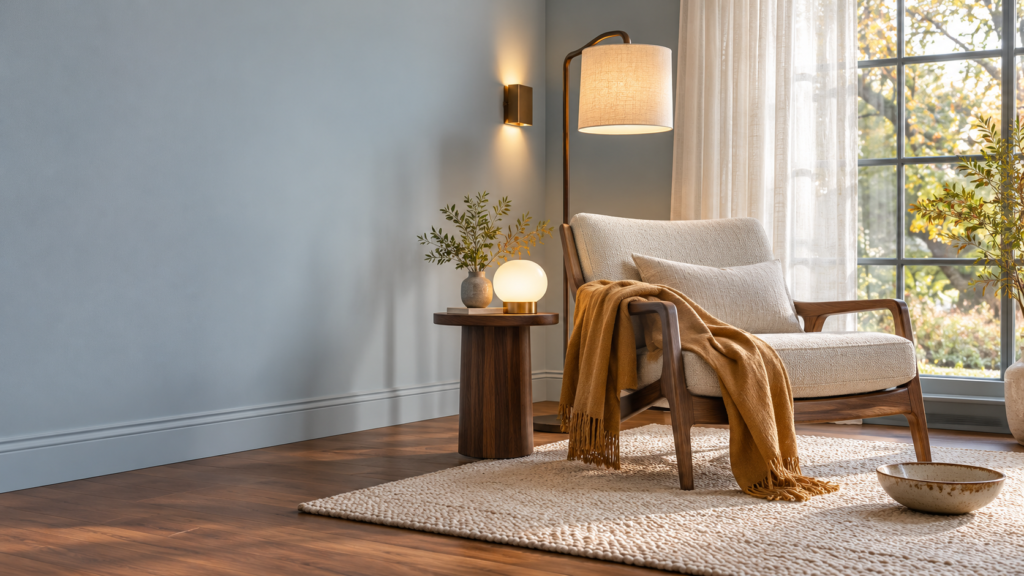
A bright room is not always a comfortable room. Light reflecting from television screens, mirrors, polished worktops, and glossy furniture can create glare that makes everyday activities less pleasant. The solution is not necessarily to use less light but to control where it travels and how it reaches the room.
A thoughtful lighting plan can reduce harsh reflections while keeping the space practical, welcoming, and visually balanced.
Identify the Source of the Glare
Before changing any fixtures, observe the room during the day and evening. Glare may come from a window, an exposed bulb, or a lamp positioned directly opposite a reflective surface.
Sit in the places where people normally read, work, or watch television. This makes it easier to see which light sources cause discomfort. The angle of the light is often more important than its overall brightness.
Moving a lamp a short distance or turning its shade may solve the problem without requiring a new fixture.
Position Floor Lamps Away From Screens
Televisions and computer monitors can reflect any bright light placed directly in front of them. Floor lamps for living rooms should ideally be positioned beside or slightly behind the main seating area rather than opposite the screen.
A lamp with an enclosed or diffused shade can provide comfortable background light without creating a bright reflection. Uplighters may also work well because they direct illumination towards the ceiling, where it spreads more softly around the room.
Avoid placing a visible bulb within the viewer’s direct line of sight.
Use Table Lamps for Gentle Background Light
Watching television in a completely dark room can be uncomfortable because of the strong contrast between the screen and its surroundings. Decorative table lamps can provide a low level of background light that helps the room feel more balanced.
Place the lamp away from the screen and choose a shade that softens the bulb. A dimmable lamp can provide greater control during different activities.
When using modern table lamps near mirrors, glass cabinets, or polished surfaces, check the reflection from several seating positions before deciding on the final placement.
Choose Ceiling Fixtures Carefully
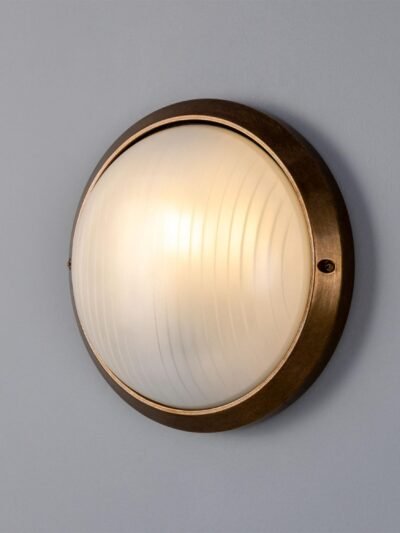
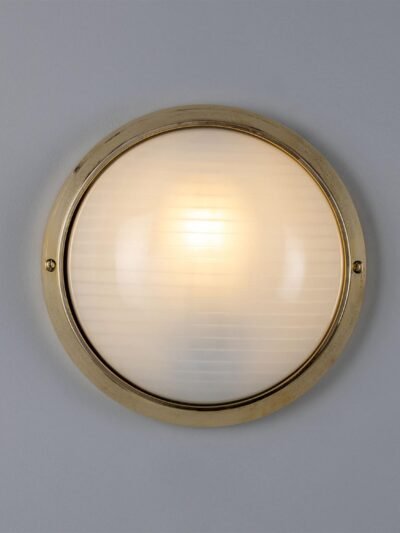
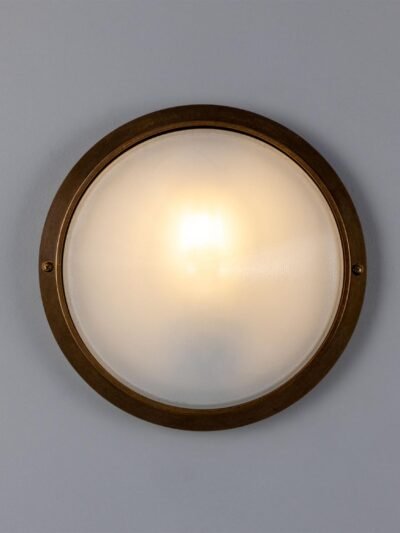
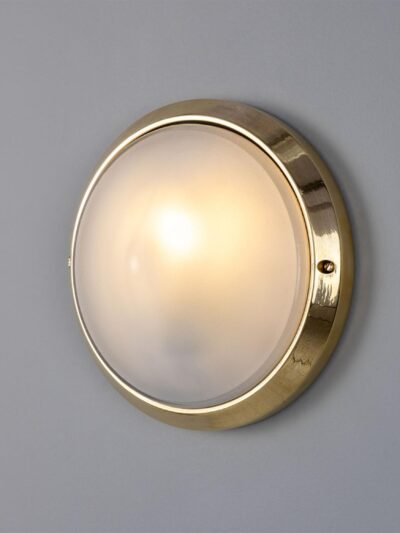
Central ceiling fixtures can produce glare when they contain exposed bulbs or highly reflective materials. Diffusers, frosted glass, and shades can help spread light more evenly.
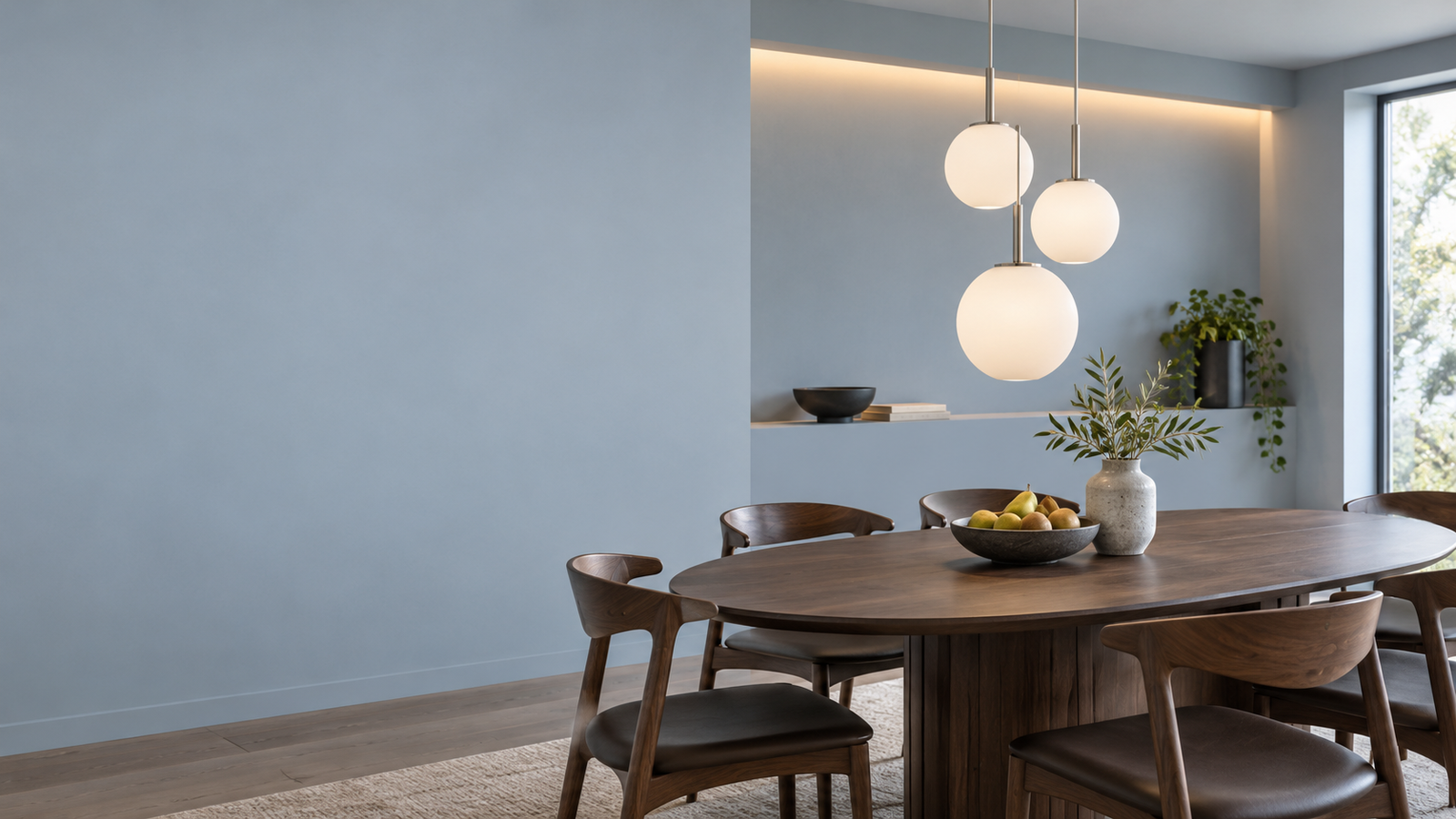
Flushmount ceiling lights can be useful in rooms with lower ceilings, but the design should prevent the bulb from becoming overly noticeable. In larger rooms, designer ceiling lighting may create a focal point while still providing controlled illumination.
Luxury chandeliers and sculptural fittings require careful placement. Reflective elements can produce attractive effects, but they may also create distracting highlights when positioned near large mirrors or glossy finishes.
Manage Reflections Around Mirrors
Mirrors can make a room appear larger, but they also reflect light back into the space. A ceiling light placed directly in front of a mirror may create a harsh bright spot.
In bathrooms, modern vanity lighting should illuminate the face evenly without shining directly into the eyes. Fixtures beside the mirror can reduce shadows, while an appropriately diffused light above it can provide general brightness.
Any bathroom fitting should have a suitable safety rating for its intended location.
Use Wall Lighting to Control Direction
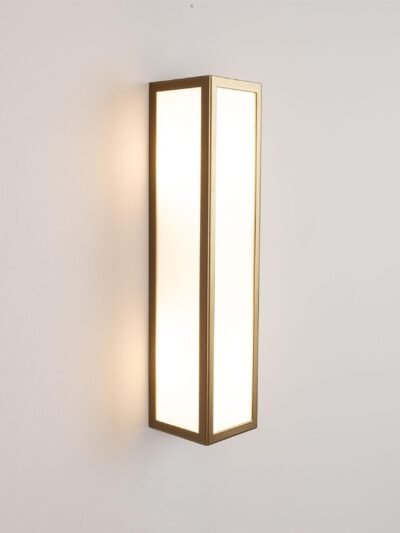
Wall sconces can direct light upwards, downwards, or in both directions. This makes them useful for hallways, bedrooms, and living spaces where a central fixture creates too much glare.
Indirect wall lighting can highlight texture and architecture without placing a bright bulb in the viewer’s sightline. However, sconces should be installed at a height that prevents people from looking directly into the light source.
Renov Official includes contemporary floor, table, ceiling, pendant, and wall lighting styles. When comparing any fixture, consider its shade, direction, brightness, and position alongside its appearance.
Pay Attention to Bulbs and Dimmers
The wrong bulb can make a well-positioned fixture uncomfortable. Check the recommended wattage, lumen output, and color temperature before installation.
Dimmers can help reduce brightness when full illumination is unnecessary. They are particularly useful in multipurpose rooms, although the bulb, fixture, and dimmer switch must be compatible.
Conclusion
Reducing glare does not mean making a room dark. It involves directing light carefully, softening exposed bulbs, and considering how fixtures interact with screens, mirrors, and polished surfaces.
By testing different positions and combining ceiling, table, floor, and wall lighting, a room can remain bright without becoming visually uncomfortable.
Frequently Asked Questions
Why does my television reflect the room lights?
The light source is probably positioned within the screen’s reflection angle. Moving it beside or behind the seating area may help.
Are frosted bulbs better for reducing glare?
Frosted bulbs generally diffuse light more softly than clear bulbs, but the fixture’s shade and position also matter.
Can dimmers reduce glare?
Yes. Lowering brightness can make strong reflections less noticeable, provided the lamp and dimmer are compatible.