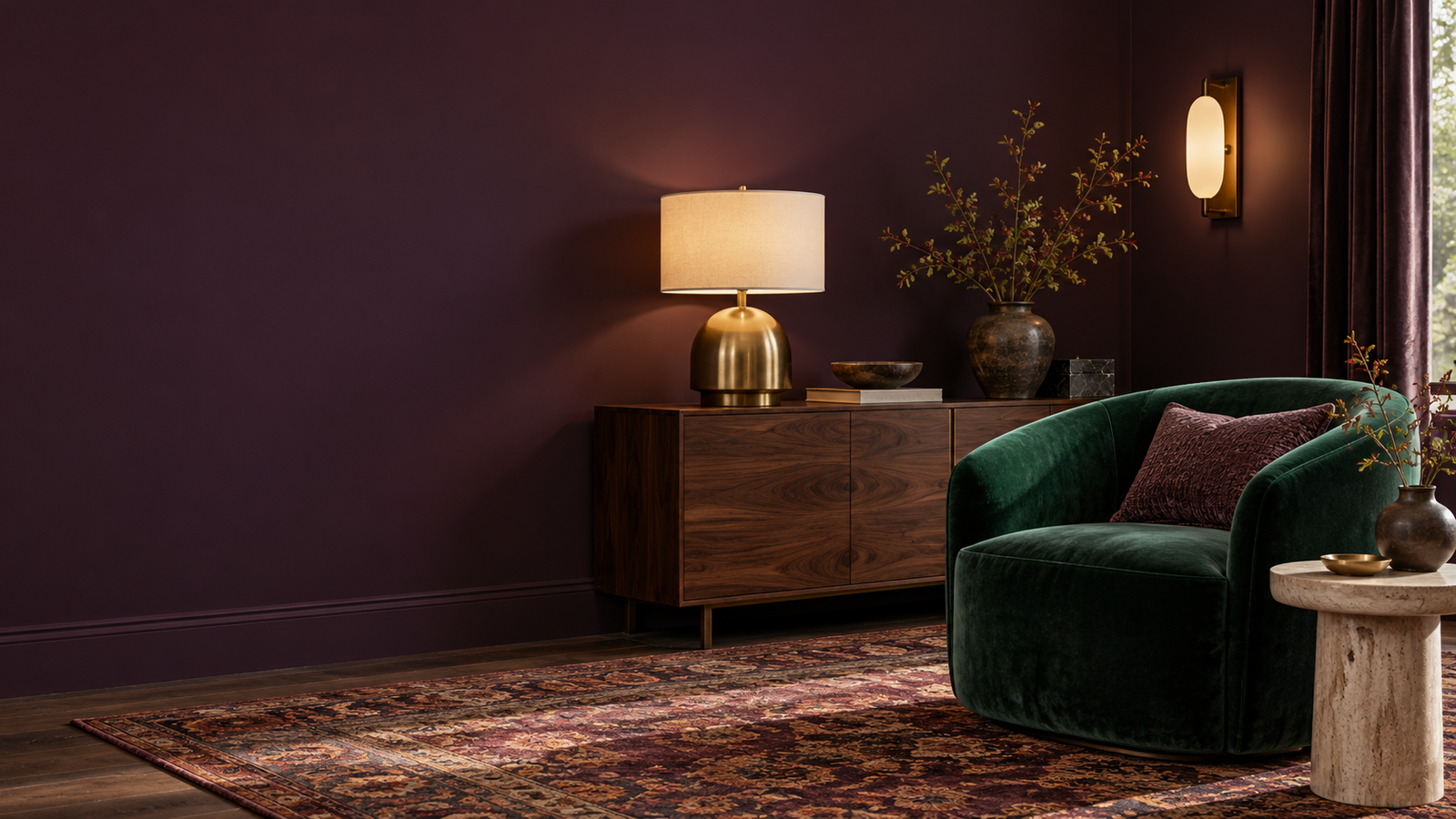
Dark green, navy, charcoal, and deep burgundy walls can give a room character and depth. However, darker surfaces reflect less light than pale ones, which means the same fixture may appear dimmer after a room is redecorated.
A suitable lighting plan can preserve the richness of dark colors without allowing the room to feel heavy or closed in. The goal is to create balanced illumination at several heights and direct light towards the areas where it is most useful.
Observe the Room During the Day
Before adding fixtures, examine how much natural light enters the room. A south-facing space may remain bright for much of the day, while a room with small or north-facing windows may need more support.
Notice which walls receive daylight and which corners remain shadowed. Dark paint may look different throughout the day, so review the room in the morning, afternoon, and evening before making final lighting decisions.
Begin With Even Ceiling Lighting
General lighting prevents the room from feeling gloomy once daylight fades. Modern ceiling lights can provide an even base, but the shade and direction of the fixture will affect how much usable illumination reaches the room.
In rooms with limited height, flushmount ceiling lights can spread light without occupying unnecessary vertical space. Frosted or diffused shades may soften the brightness and reduce harsh shadows.
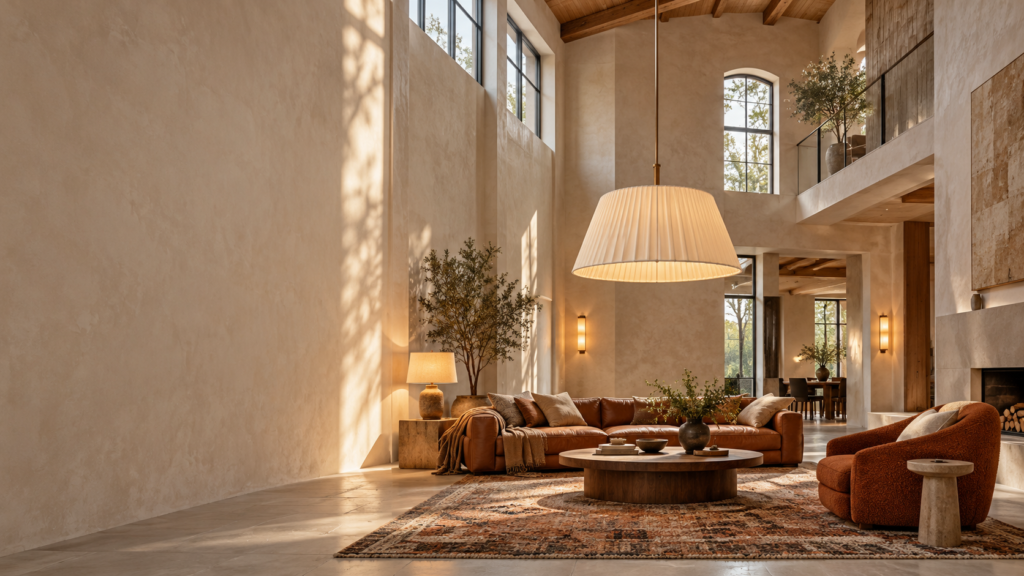
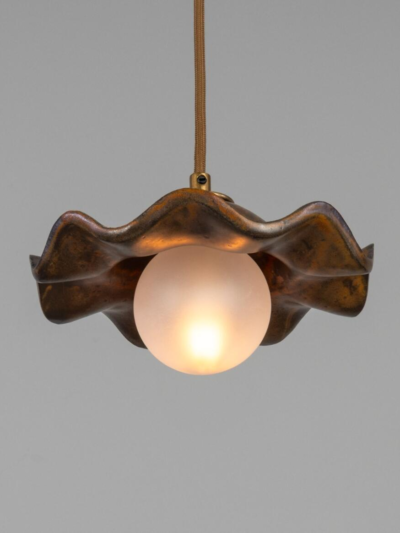
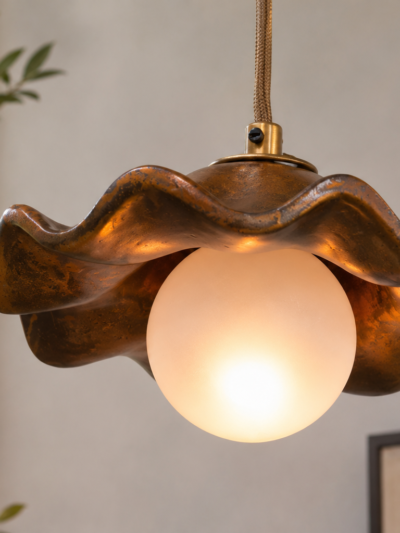
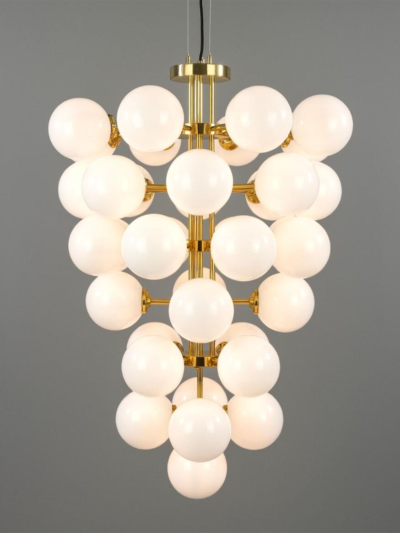
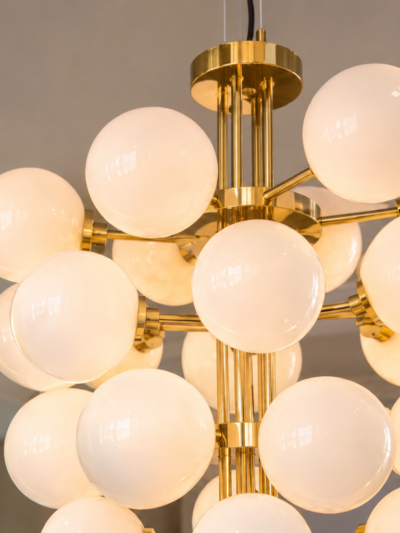
For larger rooms, designer ceiling lighting can become a visual feature while supporting the color scheme. Metallic finishes such as brass or bronze often contrast well with deep wall colors, although the choice should relate to the wider interior.
Bring Light Closer to Seating Areas
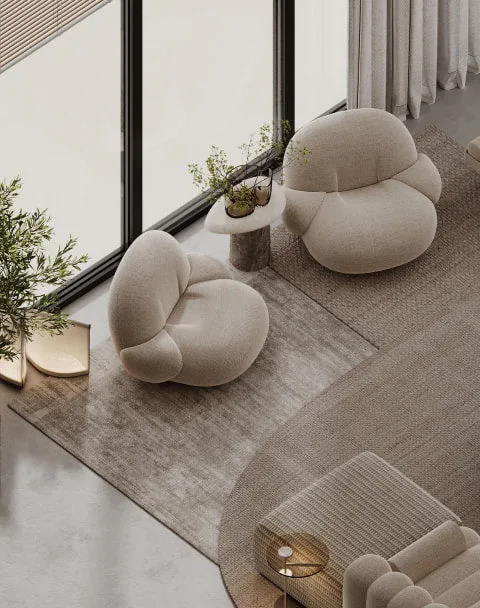
One overhead fixture may leave the lower part of a dark room feeling flat. Lamps positioned near sofas, chairs, and tables can create comfortable areas for reading and relaxing.
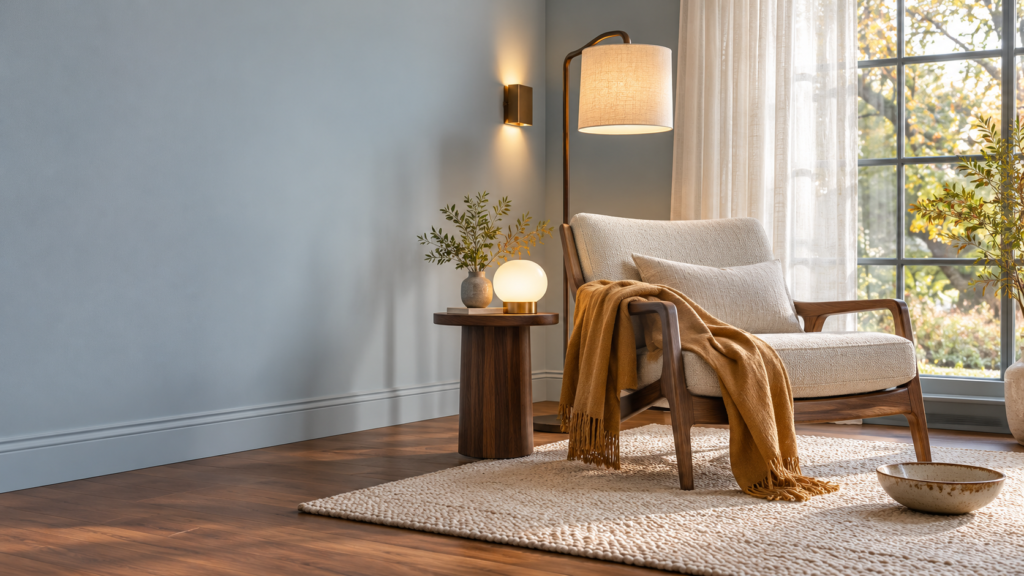
Floor lamps for living rooms are useful for illuminating shadowed corners. An uplighter can reflect light from a pale ceiling, while an adjustable lamp can focus brightness on a particular activity.
Decorative table lamps can add smaller pools of light around the room. Shades in light-colored fabric may provide a gentle glow, while glass or open designs can allow more brightness to escape.
Use Wall Lights to Reveal Color and Texture
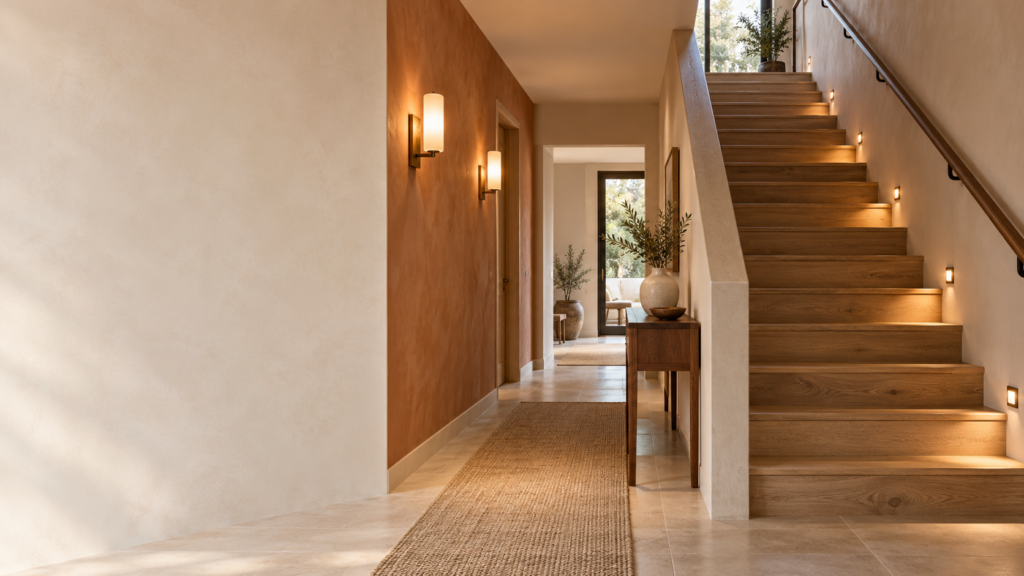
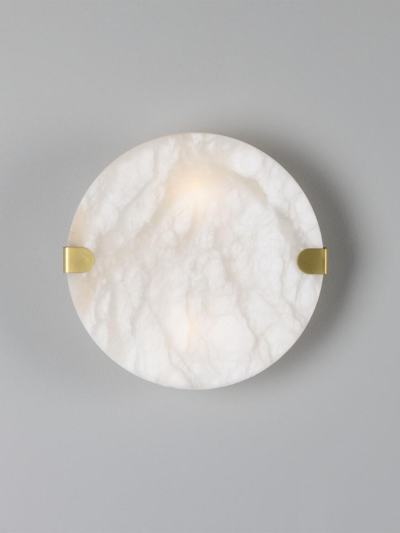
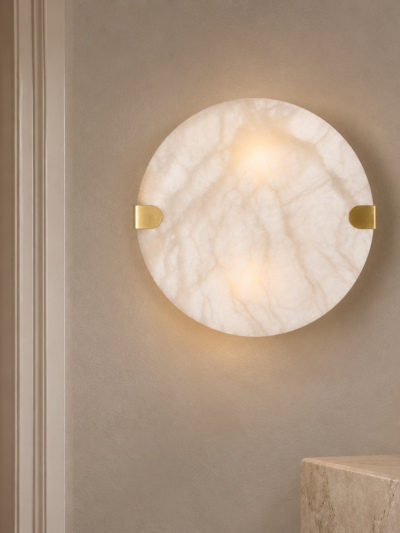
Dark walls can appear almost black when they receive no direct or indirect light. Modern wall sconces can reveal the paint’s true color and highlight its texture.
Up-and-down wall lights create controlled patterns that can add depth to a plain surface. Picture lights may also work well above artwork, helping it remain visible against a darker background.
Fixtures should be positioned carefully so they do not create distracting bright spots or expose uneven paintwork.
Create Contrast With Pendant Lighting
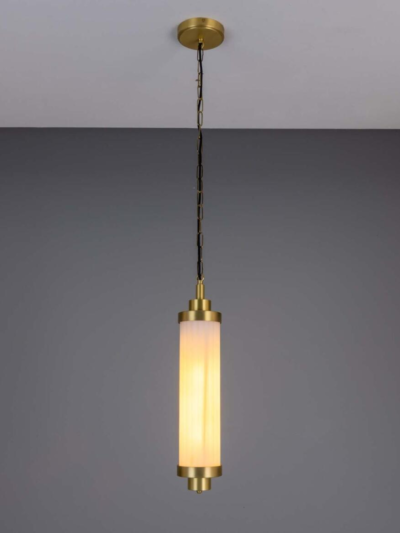
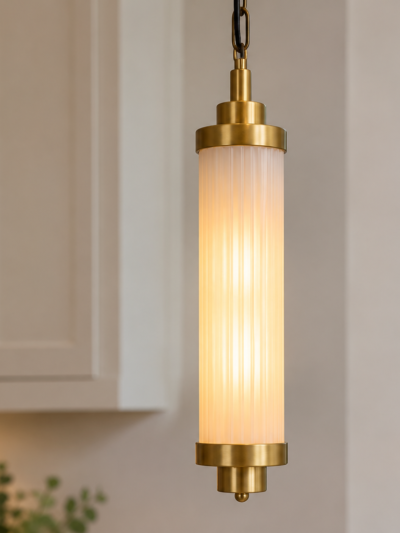
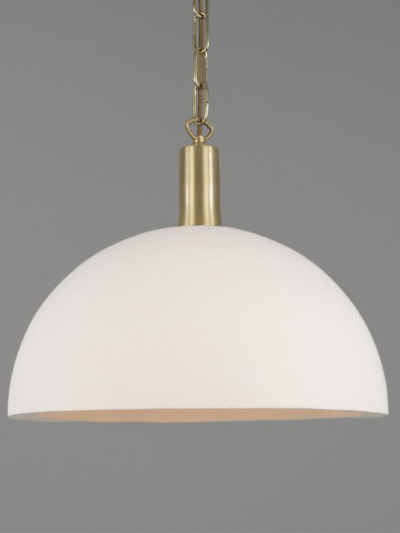
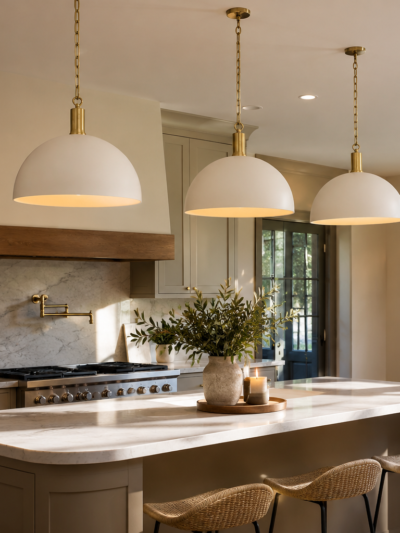
Modern pendant lights can help define dining areas, kitchen islands, and reading corners within a dark interior. A lighter shade or reflective finish can create contrast against the ceiling and walls.
When using several pendant lighting fixtures, keep their spacing consistent and consider the furniture below. They should provide enough focused light without interrupting movement or sightlines.
A dimmer can make pendant lighting more adaptable, provided the fixture, bulbs, and control are compatible.
Highlight Reflective Details Carefully
Mirrors, glass furniture, and metallic accessories can help distribute light through a dark room. However, they should be positioned thoughtfully to avoid uncomfortable reflections.
A mirror placed near a lamp can increase the sense of brightness, but placing it directly opposite an exposed bulb may create glare. Test the arrangement from normal seating and standing positions before fixing anything permanently.
Renov Official presents contemporary lighting styles across ceiling, pendant, floor, table and wall categories. When comparing fixtures, consider their dimensions, light direction, required bulbs, and how their finish will appear against the room’s color palette.
Choose the Right Bulb Temperature
Very cool light can make some dark colors appear flat, while extremely warm light may change their tone. Warm white lighting often complements rich colors, but the best choice depends on the paint and materials in the room.
Test a bulb before using the same color temperature throughout the space. Keeping nearby fixtures reasonably consistent can make the overall scheme feel more connected.
Conclusion
Dark walls do not require harsh or excessive lighting. They benefit from an even ceiling source supported by floor lamps, table lamps, pendants, and wall lights.
By placing light at different heights and directing it towards important surfaces, a room can retain its rich color while feeling comfortable and welcoming.
Frequently Asked Questions
Do dark walls always make a room feel smaller?
Not necessarily. Balanced lighting, mirrors, and thoughtful furniture placement can help maintain a sense of space.
Should lamps be brighter in a dark room?
They may need a higher light output, but direction and placement are just as important as brightness.
Which lamp finishes work with dark walls?
Brass, bronze, black, glass, and lighter neutral finishes can all work. The best option depends on the room’s furniture and overall style.