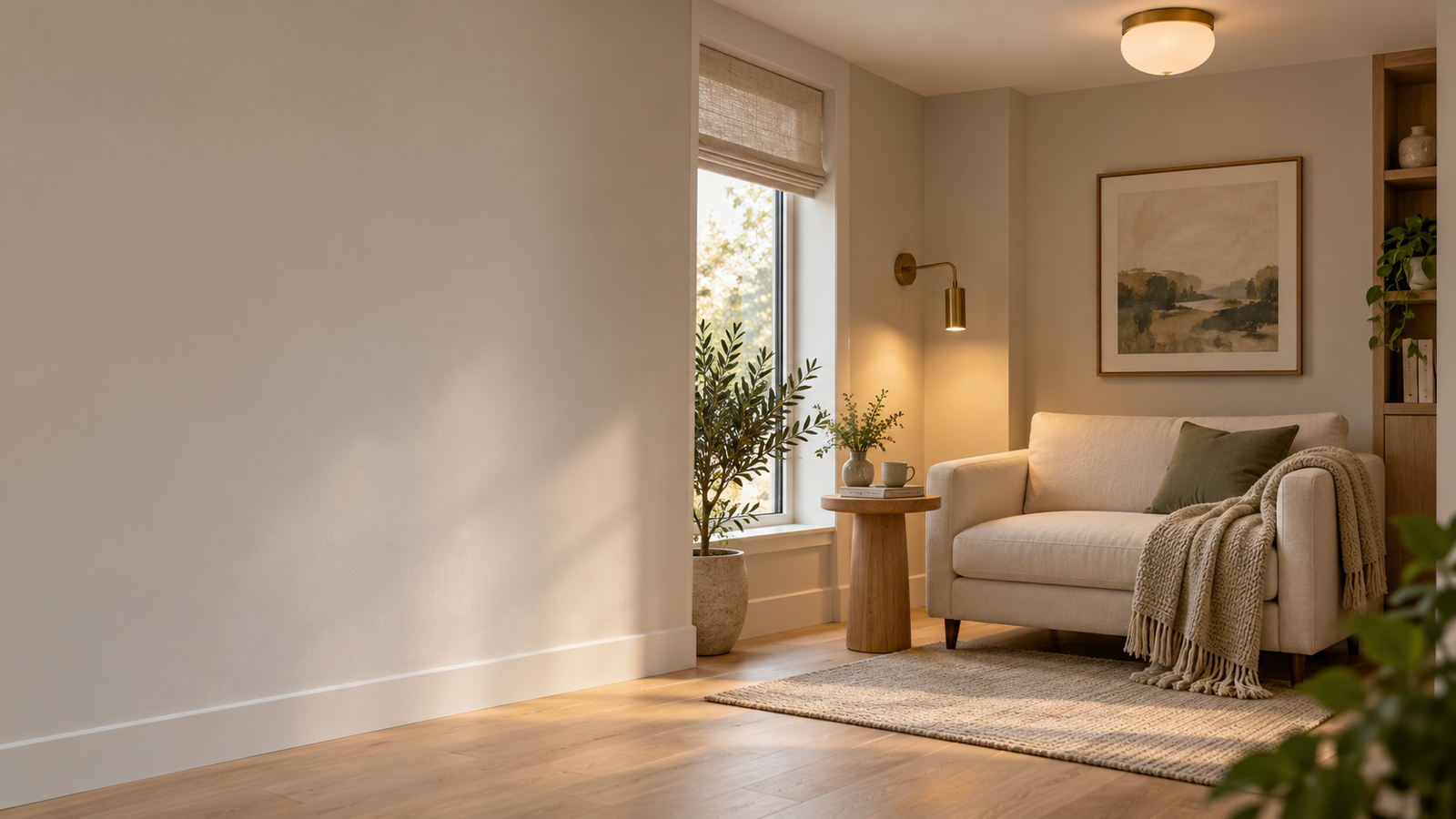
Small rooms can be comfortable and practical, but poor lighting may make them feel cramped or unbalanced. The right combination of fixtures can improve visibility, highlight useful areas, and create a greater sense of space. Instead of depending on one bright fitting, it often helps to use several light sources at different heights.
Start With the Main Ceiling Light
The main fixture provides the general illumination needed to move around the room safely. Modern ceiling lights are available in different sizes and shapes, so it is important to compare the fixture’s dimensions with the size and height of the room.
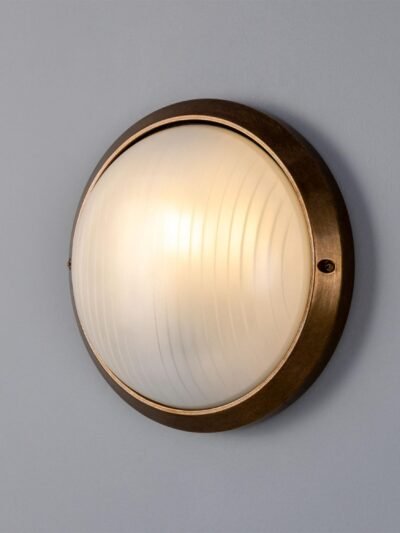
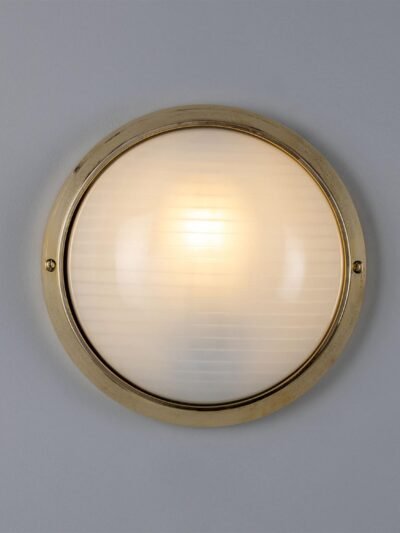
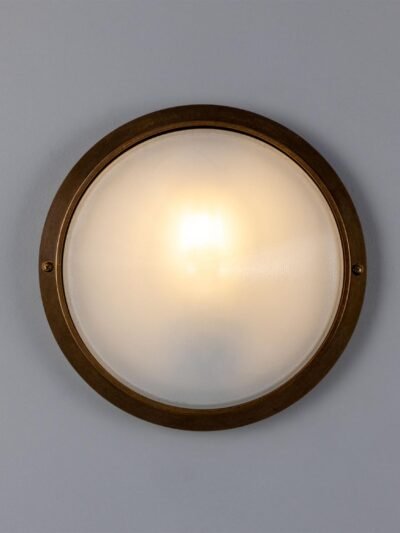
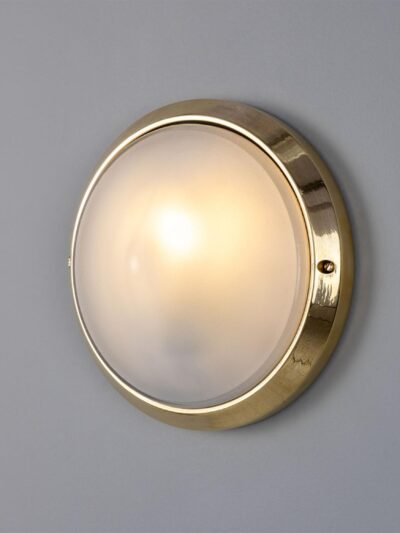
For a room with a low ceiling, flushmount ceiling lights are often a practical option. They sit close to the ceiling and take up less vertical space than hanging fixtures. This can make them suitable for compact bedrooms, hallways, entrances, and utility rooms.
Brightness should also be considered. A small room still needs enough light, but an extremely bright fixture may create glare. Using a compatible dimmer can provide more control throughout the day.
Use Pendants Carefully
Hanging fixtures can work in smaller interiors when they are positioned correctly. Modern pendant lights can define a dining table, breakfast counter, or bedside area without taking up floor space.
The scale and hanging height are important. A large pendant in the center of a narrow room may interrupt sightlines, while a smaller design placed above furniture can provide focused light without becoming an obstacle.
Larger LED chandeliers are generally associated with spacious rooms, but compact designs can work in smaller dining rooms or entrances. Before choosing one, check the ceiling height, width, brightness, and suspension length.
Save Space With Wall Lighting
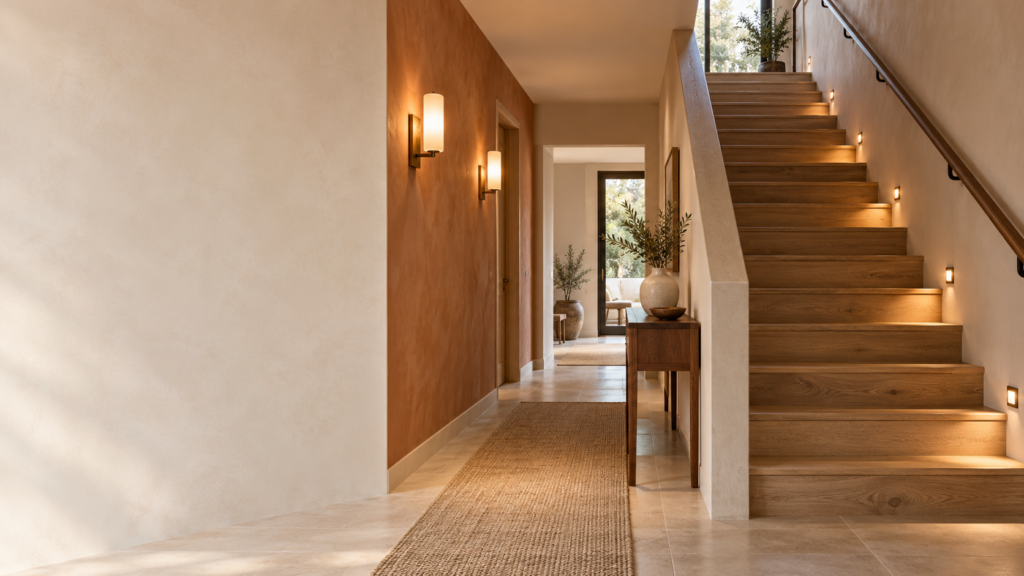
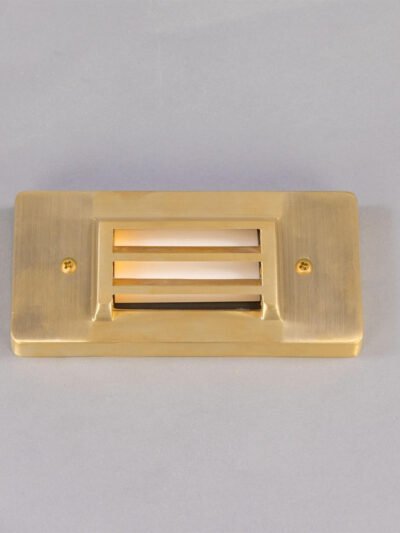
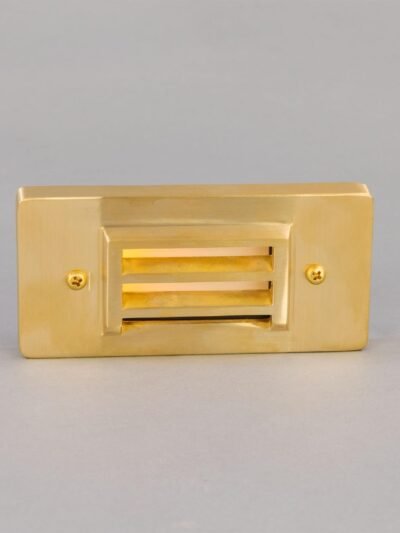
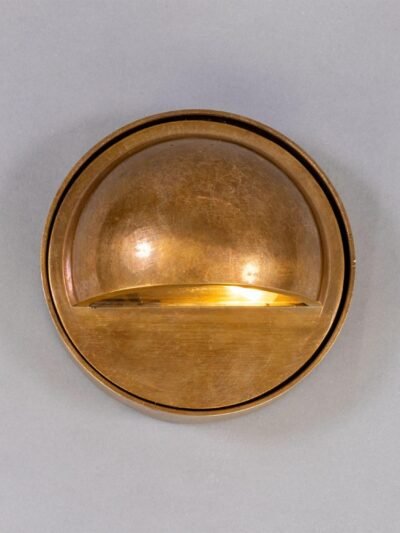
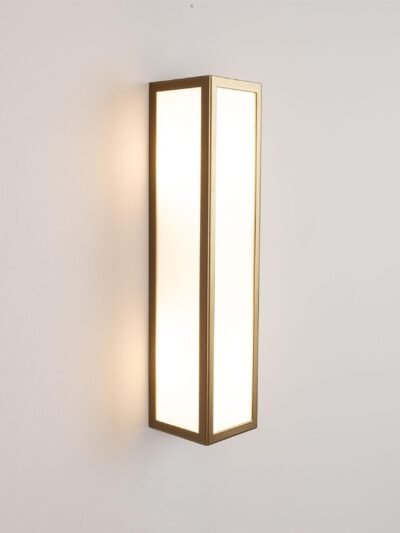
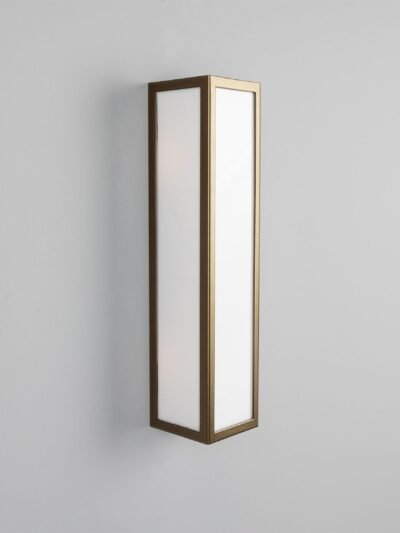
Wall-mounted fixtures can be useful where floor and surface space are limited. Modern wall sconces may be installed beside a bed, near a reading chair or along a hallway. They can provide ambient, accent, or task lighting depending on their direction and shade.
Sconces can also draw attention to artwork or architectural details. Upward-facing lights may make a ceiling appear higher, while downward-facing fixtures provide more concentrated illumination.
Electrical work should be completed by a suitably qualified person, particularly when new wiring or wall openings are required.
Add Flexible Floor and Table Lamps
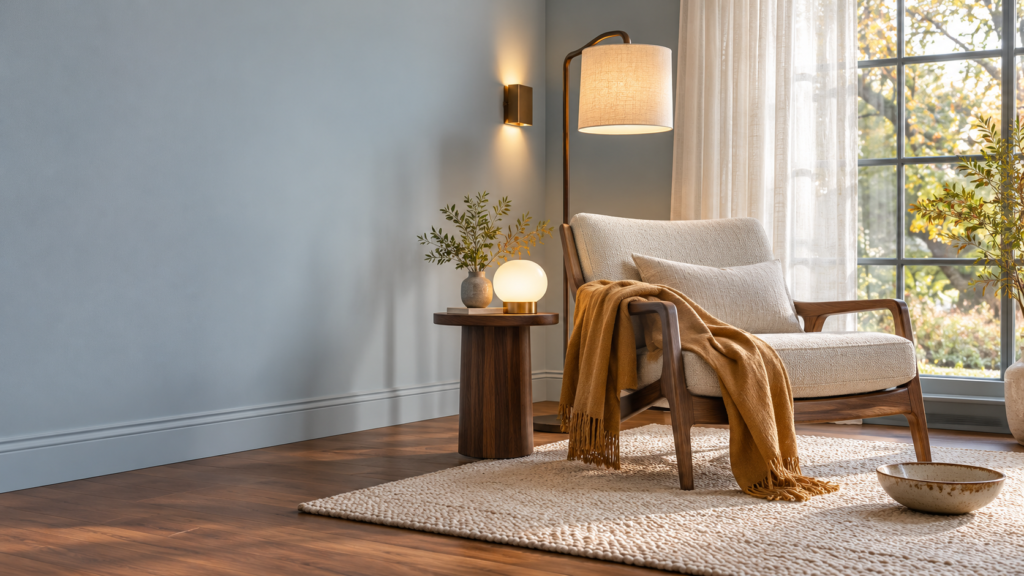
Even in a small room, portable lamps can make the lighting more adaptable. Slim modern floor lamps fit well beside sofas, desks, and reading chairs. Arc, tripod, and adjustable styles create different effects, so the lamp’s base and reach should be measured carefully before purchase.
Modern table lamps are useful on bedside tables, shelves, and compact desks. A lamp with a narrow base or small shade can provide focused light without occupying too much surface area.
Using warm, soft light from a table or floor lamp can also make the room feel calmer during the evening than relying on the main ceiling light alone.
Improve Bathroom Lighting
Small bathrooms need clear, evenly distributed illumination. Bathroom vanity lights placed above or beside a mirror can reduce shadows on the face, making daily tasks such as shaving and skincare easier.
The fixture must have a suitable safety rating for its position. Bathrooms contain different electrical zones, so appearance should never be considered more important than safe placement and installation.
Keep the Design Consistent
Fixtures do not have to match exactly, but they should share at least one visual feature. Repeating a finish, shape, or color can make a small room feel more organized. Too many unrelated styles may create visual clutter.
Renov Official includes categories such as ceiling fixtures, pendants, wall lights, floor lamps, and table lamps. When comparing any product, consider its measurements, light output, color temperature, bulb type, energy use, and installation requirements rather than choosing only by appearance.
Choose the Right Color Temperature
Color temperature describes whether light appears warm, neutral, or cool. Warm white light often creates a comfortable atmosphere in bedrooms and living rooms. Neutral white may work better in kitchens, bathrooms, and home offices where clearer visibility is helpful.
Using similar color temperatures throughout one room usually produces a more balanced result. Mixing cool overhead light with very warm lamps can sometimes make the room feel disconnected.
Conclusion
Lighting a small room successfully depends on scale, placement, and purpose. Begin with suitable general lighting, then add focused fixtures for reading, working, or grooming. Flush mounts, compact pendants, sconces, and slim portable lamps can provide useful illumination without overwhelming the available space.
A thoughtful combination of modern lighting can make a compact room feel brighter, more comfortable, and easier to use.
Frequently Asked Questions
What type of ceiling light is best for a low ceiling?
A flush-mounted fixture is often suitable because it provides overhead illumination while using minimal vertical space.
Can a pendant light work in a small room?
Yes. Choose a correctly sized pendant and position it above furniture or a defined area where it will not obstruct movement.
Are wall sconces suitable for small bedrooms?
Yes. Wall sconces can replace bedside lamps and free up space on small tables.
Should all lights in a room use the same color temperature?
They do not have to be identical, but keeping the color temperatures reasonably consistent usually creates a more connected atmosphere.