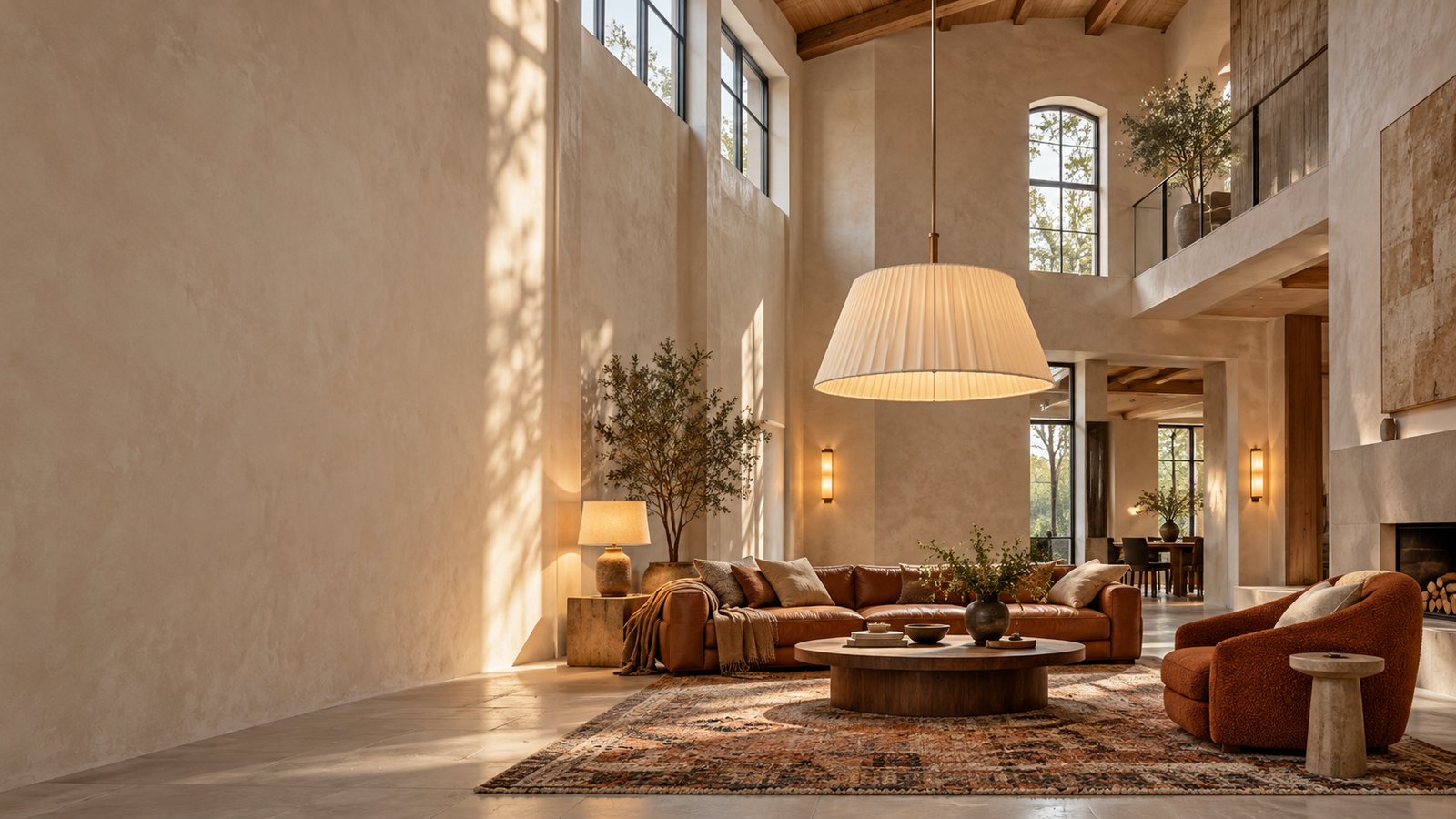
High ceilings can make a room feel open, spacious, and impressive. They also create a practical lighting challenge. A single fixture mounted far above the floor may leave important areas underlit, while an oversized fitting can dominate the room if its proportions are not carefully considered.
The aim is to bring light down to a comfortable level while maintaining the sense of height that makes the room distinctive.
Consider the Height and Shape of the Room
Not all high ceilings are the same. Some are flat and raised, while others are vaulted, sloped, or divided by exposed beams. The shape affects where fixtures can be installed and how light moves through the space.
Before choosing a fitting, measure the ceiling height and the width of the room. Note the location of furniture, windows, and architectural features. This information helps determine whether the room needs one central fixture or several lights at different levels.
Use Pendant Lights to Lower the Visual Focus
Fixtures mounted close to a high ceiling may feel disconnected from the furniture below. Modern pendant lights can bring illumination closer to a dining table, kitchen island, or seating area.
The hanging height should relate to the furniture beneath the pendant. A fitting above a table can usually hang lower because people do not walk beneath it. In an open pathway, the fixture needs enough clearance for safe movement.
For wide surfaces, several smaller pendant lighting fixtures may provide more balanced coverage than one narrow pendant.
Choose Chandeliers in the Right Proportion
High ceilings can accommodate larger decorative fixtures that might overwhelm a standard room. Luxury chandeliers can fill vertical space and establish a central focal point.
However, size should be considered in relation to the room rather than the ceiling alone. A tall chandelier may suit an entrance hall, but a very wide design could make a narrow room feel crowded.
Contemporary LED chandeliers are available in rings, tiers, and sculptural arrangements. Before selecting one, check its dimensions, suspension length, brightness, and whether the integrated light source can be dimmed.
Add Light Closer to Eye Level
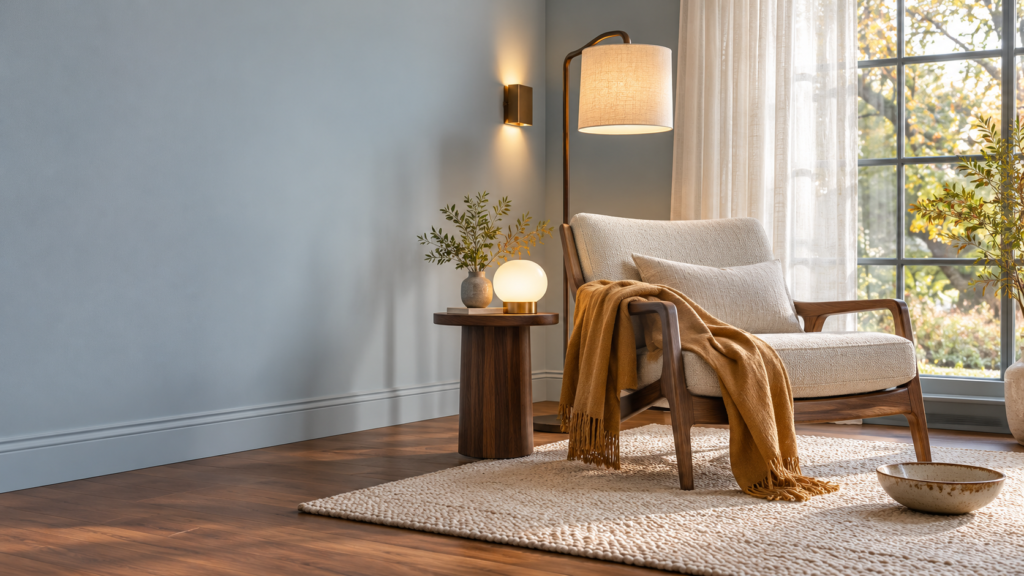
Ceiling fixtures alone may create strong illumination above while leaving the lower part of the room feeling flat. Lamps and wall-mounted fittings can bring light closer to where people sit and move.
Floor lamps for living rooms can support reading areas and brighten corners that the main fixture does not reach. Decorative table lamps can create smaller pools of light on consoles, side tables, and shelves.
This combination makes a high-ceilinged space feel more comfortable during the evening, when full overhead lighting may seem too strong.
Use Wall Lights to Emphasise Height
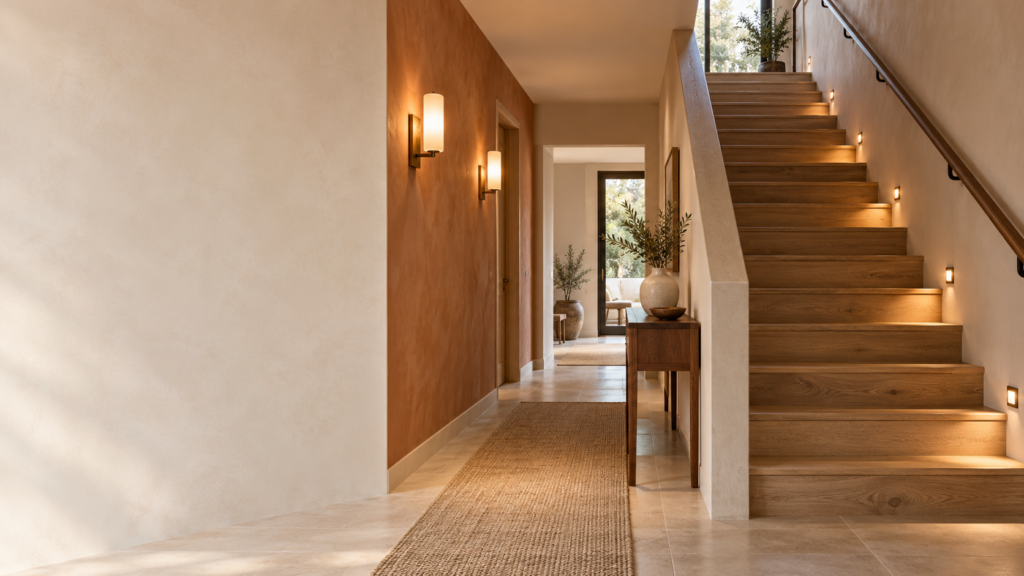
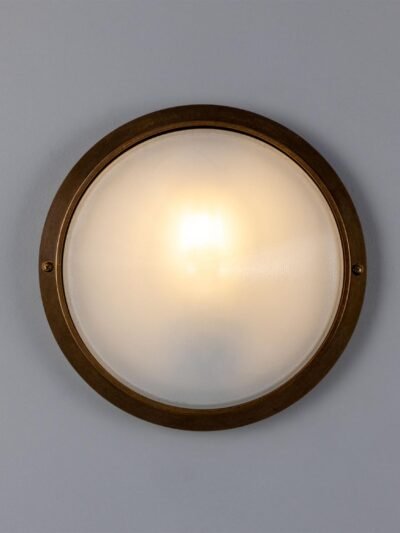
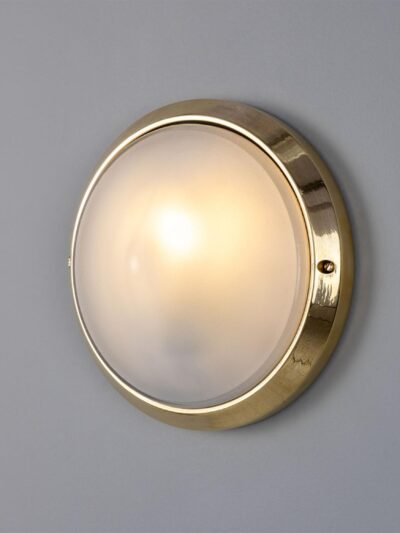
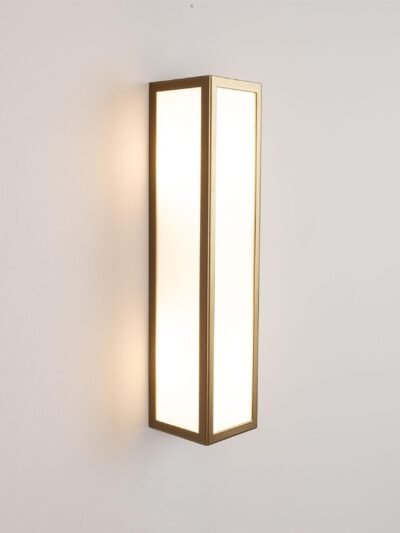
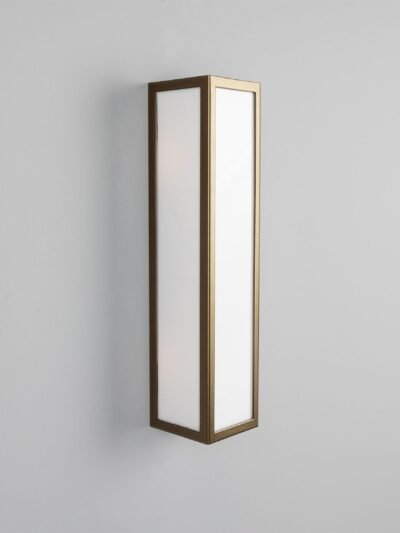
Modern wall sconces can highlight tall walls, textured surfaces, or architectural details. Upward-facing designs draw attention to the ceiling, while fittings that cast light both upwards and downwards can create a structured effect.
Spacing is important. Wall lights installed too high may not contribute enough light at eye level, while those placed too low may interrupt the room’s proportions. Their height should relate to the wall, furniture, and viewing position.
Think About Maintenance and Access
High-mounted fixtures can be difficult to clean or maintain. Before installation, consider how bulbs, shades, and electrical components will be accessed.
Integrated LED fittings may reduce how frequently the light source needs attention, but their expected lifespan and replacement options should still be reviewed. If a chandelier contains many delicate pieces, regular cleaning may require specialist access equipment.
Renov Official features contemporary pendant, chandelier, floor, table, ceiling, and wall lighting. When comparing fixtures, consider not only appearance but also installation, maintenance, and long-term accessibility.
Control Brightness With Separate Circuits
A large room may benefit from dividing its lighting into zones. The main fixture, wall lights, and portable lamps can be operated separately, allowing brightness to change according to the activity.
Compatible dimmers provide further control. A bright setting may be useful when cleaning or entertaining, while softer lighting can create a more relaxed atmosphere during the evening.
All permanent electrical work should be planned and completed by an appropriate professional.
Conclusion
Lighting a room with a high ceiling requires attention to scale, height, and everyday use. Pendants and chandeliers can fill vertical space, while floor lamps, table lamps, and wall sconces bring light closer to eye level.
Combining several light sources prevents the room from feeling empty or overly formal. The result should preserve the spacious character of the interior while making it comfortable and practical.
Frequently Asked Questions
Do high ceilings need larger light fixtures?
Often, but the fixture should suit both the ceiling height and the width of the room.
How low should a pendant hang?
The correct height depends on whether it hangs above furniture or an open walkway. Safe clearance must always be maintained.
Are floor lamps useful in rooms with high ceilings?
Yes. They provide light closer to seating and help prevent the lower part of the room from feeling dark.